
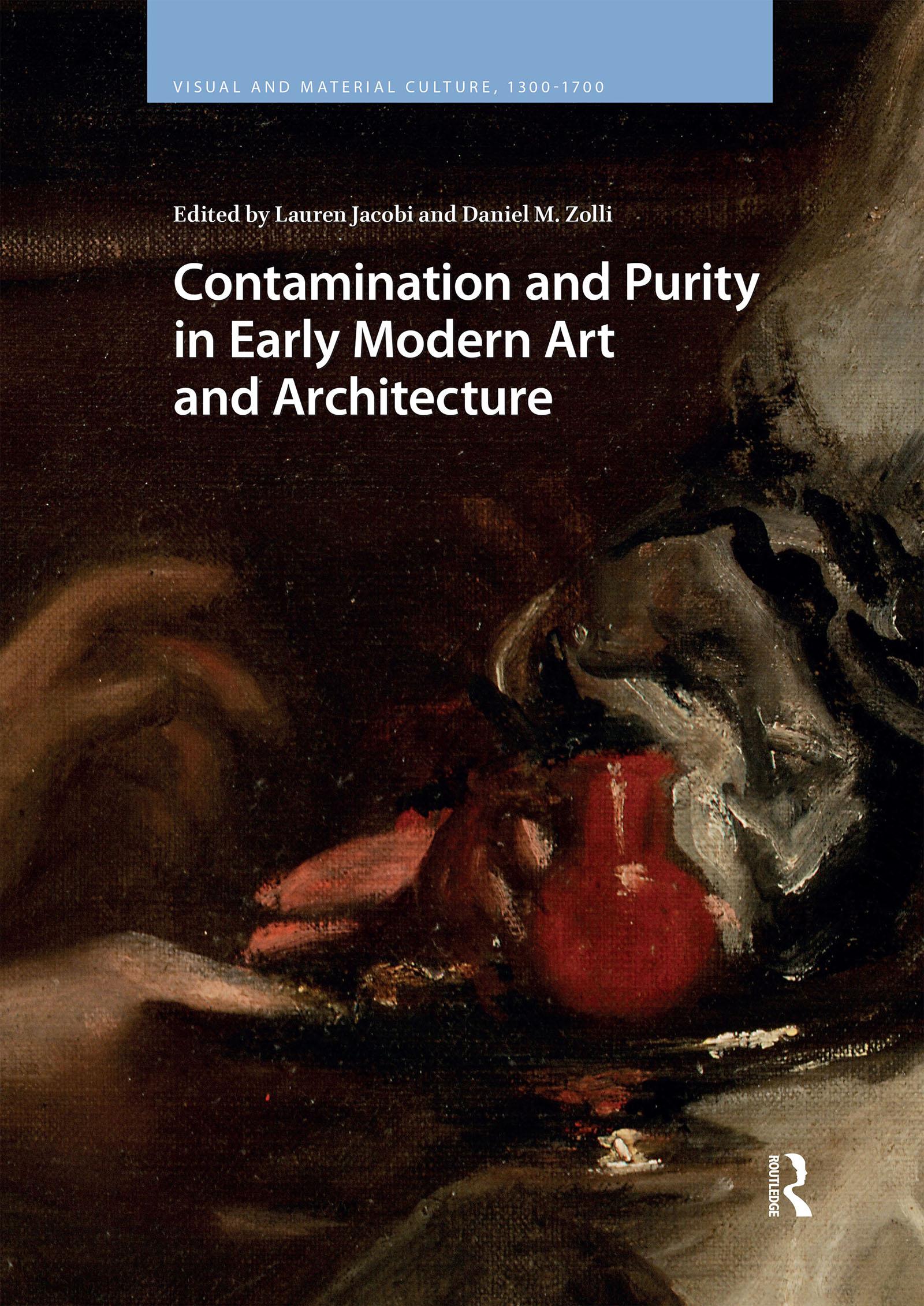
The concepts of purity and contamination preoccupied early modern Europeans fundamentally, structuring virtually every aspect of their lives, not least how they created and experienced works of art and the built environment. In an era that saw a great number of objects and people in motion, the meteoric rise of new artistic and building technologies, and religious upheaval exert new pressures on art and its institutions, anxieties about the pure and the contaminated – distinctions between the clean and unclean, sameness and difference, self and other, organization and its absence – took on heightened importance. In this series of geographically and methodologically wide-ranging essays, thirteen leading historians of art and architecture grapple with the complex ways that early modern actors negotiated these concerns, covering topics as diverse as Michelangelo’s unfinished sculptures, Venetian plague hospitals, Spanish-Muslim tapestries, and emergency currency. The resulting volume offers surprising new insights into the period and into the modern disciplinary routines of art and architectural history. Provides a novel perspective on the art and architecture of early modern Europe and its colonial territories by focusing on the opposing analytical categories of purity and contamination, while also paying attention to their extraordinary theoretical and historical variety. Offers new readings of works both canonical (e.g., Michelangelo's unfinished sculptures, Dürer's Italianate influences) and less so (e.g., Vermeyen's tapestries of the Conquest of Tunis). Models a new approach to an important epoch in the history of art, architecture, and culture, bringing together the close study of objects (e.g., tapestries, sculpture, and coins) and materials (e.g., cosmetics, dyes, stone) with wider topics such as global exchange and economics. Inspires broader questions about the ideological underpinnings of early modernity, while also offering new insights into the implications of the current material turn and global turn in the humanities. Features twelve essays by leading scholars of the art and architecture of southern and northern Europe, the colonial Americas, and southeast Asia, with correspondingly broad geographical and chronological coverage.
Paga fácilmente con tarjeta, Klarna, Apple Pay o Google Pay. ¿No estás contento? Siempre tienes 14 días de garantía de devolución. Lee más en nuestros términos. Si tienes preguntas, escríbenos a hello@memmo.org.
Memmo hace que estudiar sea más fácil, estés donde estés. Aquí tienes tus libros de texto y herramientas de estudio inteligentes en un solo lugar: resúmenes, quizzes, podcasts y flashcards. Y también a Ted, tu compañero de estudio que responde a todo lo que te preguntes. Más de 50 000 estudiantes ya estudian aquí. Está hecho para que aprendas más rápido y te estreses menos.
También te podría gustar
Comprar el libro0