
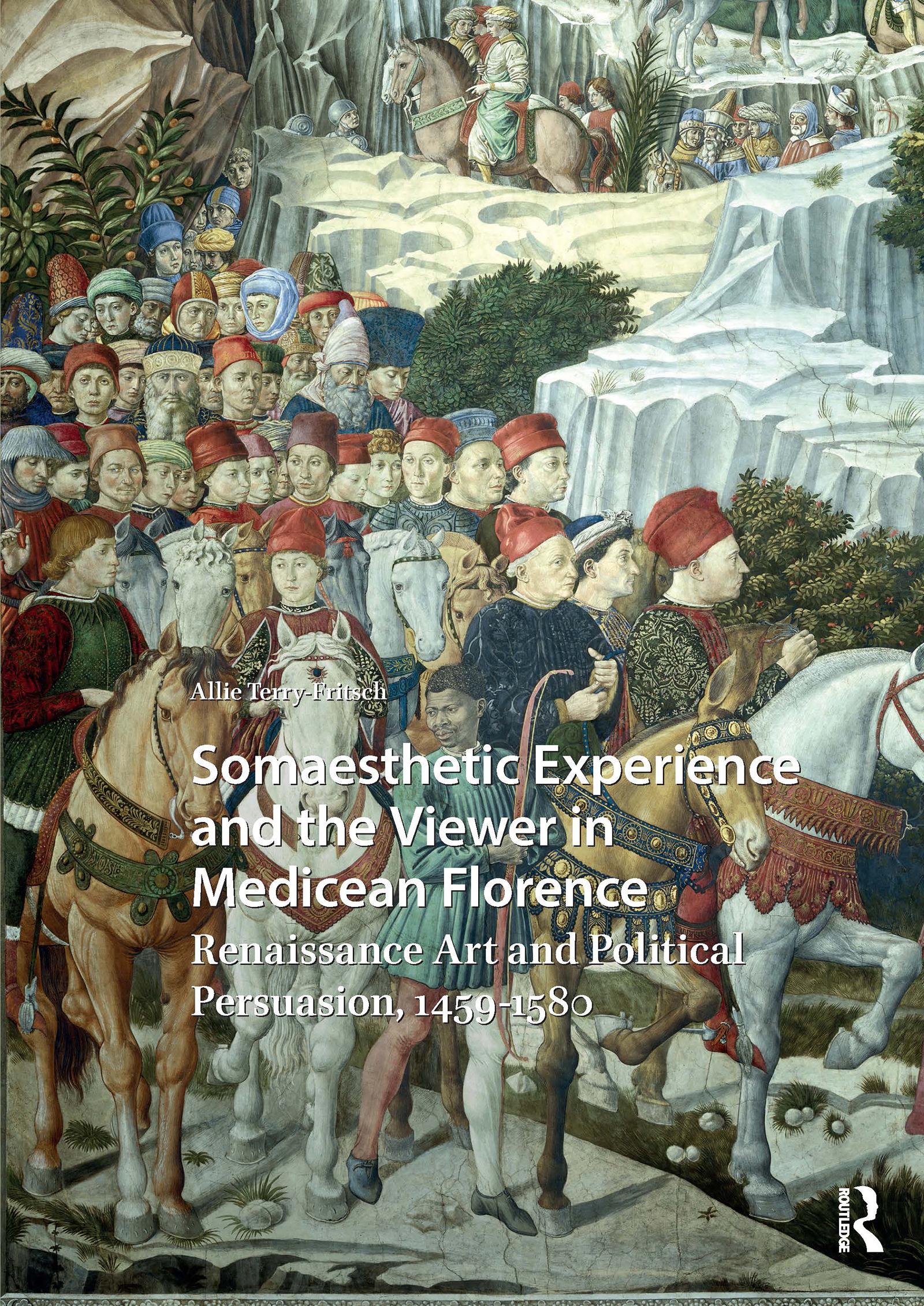
Viewers in the Middle Ages and Renaissance were encouraged to forge connections between their physical and affective states when they experienced works of art. They believed that their bodies served a critical function in coming to know and make sense of the world around them, and intimately engaged themselves with works of art and architecture on a daily basis. This book examines how viewers in Medicean Florence were self-consciously cultivated to enhance their sensory appreciation of works of art and creatively self-fashion through somaesthetics. Mobilized as a technology for the production of knowledge with and through their bodies, viewers contributed to the essential meaning of Renaissance art and, in the process, bound themselves to others. By investigating the framework and practice of somaesthetic experience of works by Benozzo Gozzoli, Donatello, Benedetto Buglioni, Giorgio Vasari, and others in fifteenth- and sixteenth century Florence, the book approaches the viewer as a powerful tool that was used by patrons to shape identity and power in the Renaissance.
Paga fácilmente con tarjeta, Klarna, Apple Pay o Google Pay. ¿No estás contento? Siempre tienes 14 días de garantía de devolución. Lee más en nuestros términos. Si tienes preguntas, escríbenos a hello@memmo.org.
Memmo hace que estudiar sea más fácil, estés donde estés. Aquí tienes tus libros de texto y herramientas de estudio inteligentes en un solo lugar: resúmenes, quizzes, podcasts y flashcards. Y también a Ted, tu compañero de estudio que responde a todo lo que te preguntes. Más de 50 000 estudiantes ya estudian aquí. Está hecho para que aprendas más rápido y te estreses menos.
También te podría gustar
Comprar el libro0