
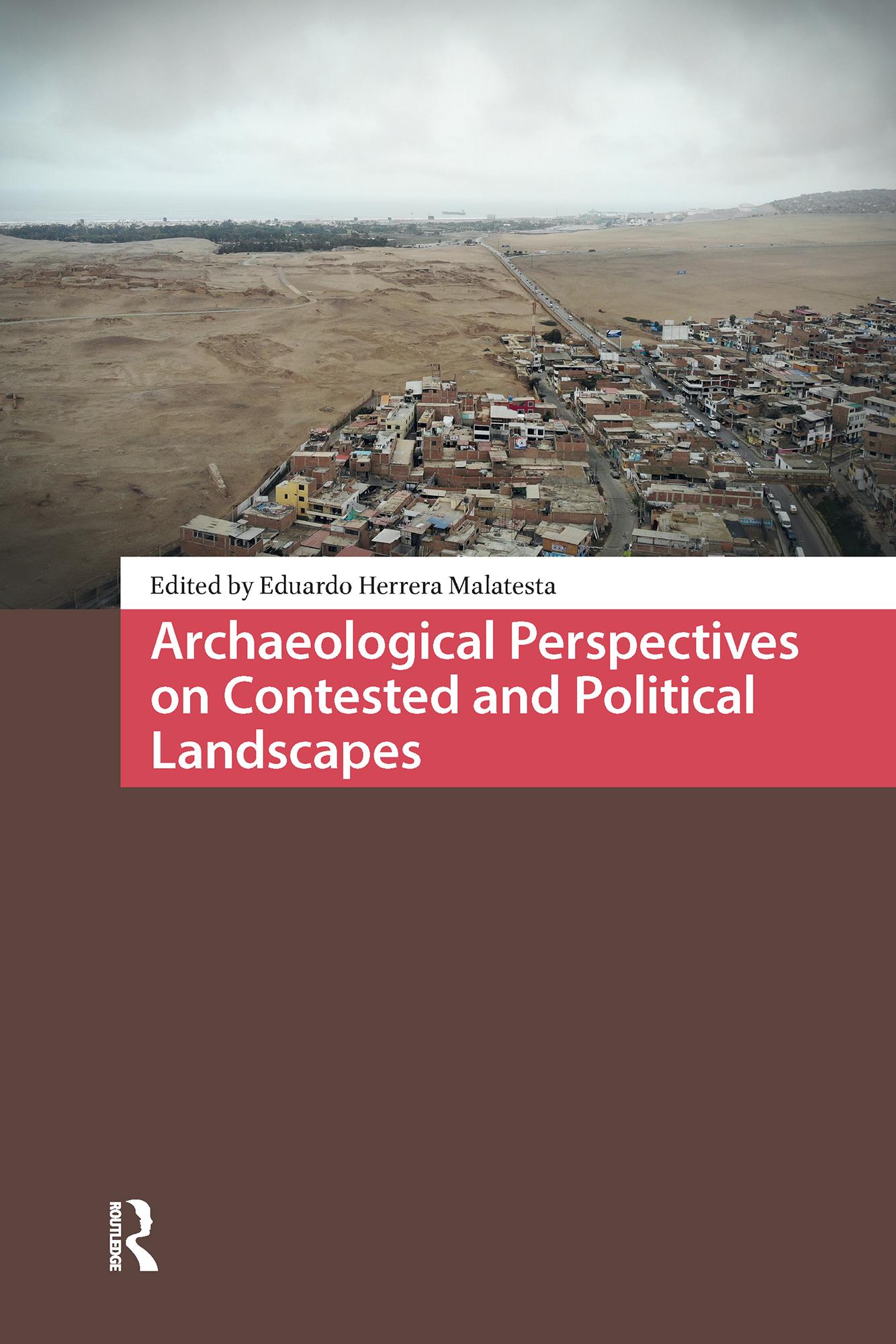
This book focuses on alternative definitions of landscape in archaeology, particularly those that explicitly address landscapes’ political aspects. In doing so, this volume emphasizes the non-static, dialogic nature of landscape within a community and acknowledges how a community’s composition and its relationship with the landscape can lead to tensions and even violent conflicts with other groups. It highlights the relevance of considering movement, borders, and conflict as sources for understanding how people create their own landscapes and how they reshape them in times of political conflict. For example, in contexts of colonization and war, people are forced to adapt to new politics and hierarchies as they see their personal and communal understanding of the world deeply transformed, something visible even today as political tensions constantly reshape local and global landscapes. Understanding how landscapes were created and contested in the past is essential for understanding their political, economic, and cultural manifestations in the present in order to better organize ourselves for a truly integrative future.
Paga fácilmente con tarjeta, Klarna, Apple Pay o Google Pay. ¿No estás contento? Siempre tienes 14 días de garantía de devolución. Lee más en nuestros términos. Si tienes preguntas, escríbenos a hello@memmo.org.
Memmo hace que estudiar sea más fácil, estés donde estés. Aquí tienes tus libros de texto y herramientas de estudio inteligentes en un solo lugar: resúmenes, quizzes, podcasts y flashcards. Y también a Ted, tu compañero de estudio que responde a todo lo que te preguntes. Más de 50 000 estudiantes ya estudian aquí. Está hecho para que aprendas más rápido y te estreses menos.
También te podría gustar
Comprar el libro0