
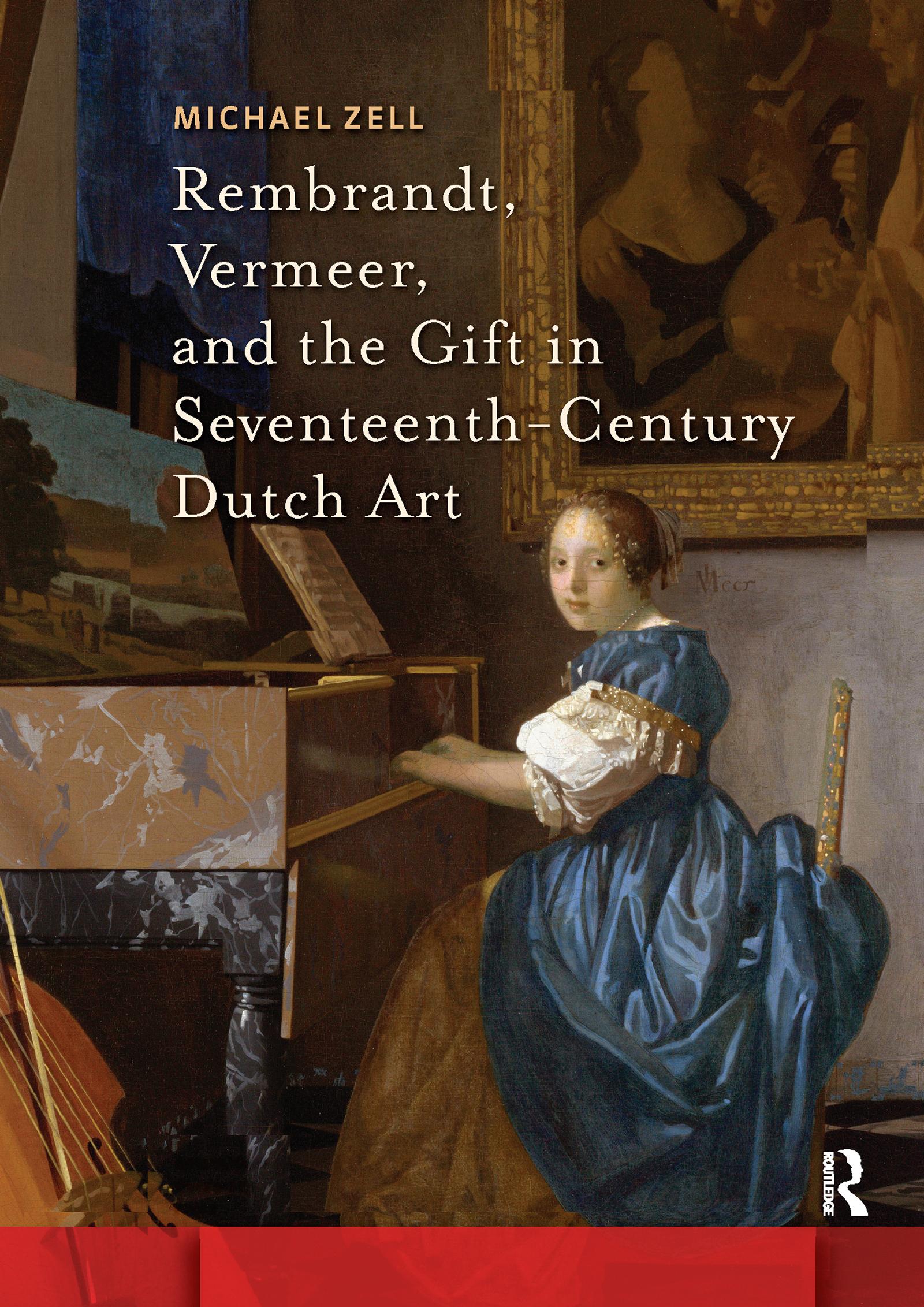
Rembrandt, Vermeer, and the Gift in Seventeenth-Century Dutch Art offers a new perspective on the art of the Dutch Golden Age by exploring the interaction between the gift's symbolic economy of reciprocity and obligation and the artistic culture of early modern Holland. Gifts of art were pervasive in seventeenth-century Europe, and many Dutch artists, like their counterparts elsewhere, embraced gift giving to cultivate relations with patrons, art lovers, and other members of their social networks. Rembrandt also created distinctive works to function within a context of gift exchange, and both Rembrandt and Vermeer engaged the ethics of the gift to identify their creative labor as motivated by what contemporaries called a love of art, not materialistic gain. In the merchant republic’s vibrant market for art, networks of gift relations and the anti-economic rhetoric of the gift mingled with the growing dimension of commerce, revealing a unique chapter in the interconnected history of gift giving and art making.
Paga fácilmente con tarjeta, Klarna, Apple Pay o Google Pay. ¿No estás contento? Siempre tienes 14 días de garantía de devolución. Lee más en nuestros términos. Si tienes preguntas, escríbenos a hello@memmo.org.
Memmo hace que estudiar sea más fácil, estés donde estés. Aquí tienes tus libros de texto y herramientas de estudio inteligentes en un solo lugar: resúmenes, quizzes, podcasts y flashcards. Y también a Ted, tu compañero de estudio que responde a todo lo que te preguntes. Más de 50 000 estudiantes ya estudian aquí. Está hecho para que aprendas más rápido y te estreses menos.