
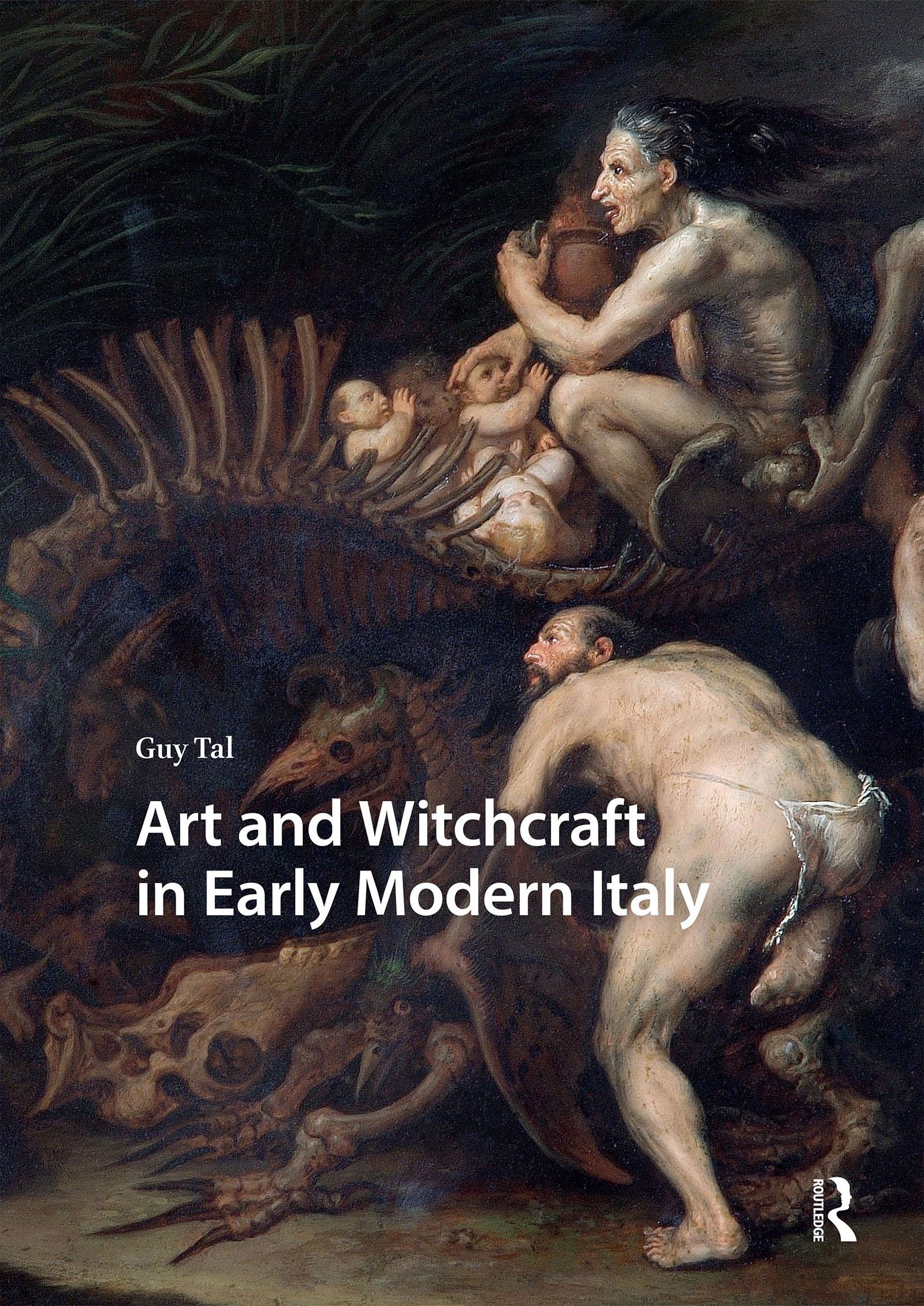
The figure of the witch is familiar from the work of early modern German, Dutch, and Flemish artists, but much less so in the work of their Italian counterparts. Art and Witchcraft in Early Modern Italy seeks to explore the ways in which representations of witchcraft emerged from and coincided with the main cultural currents and artistic climate of an epoch chiefly celebrated for its humanistic and rational approaches. Through an in-depth examination of a panoply of arresting paintings, engravings, and drawings—variously portraying a hag-ridden colossal phallus, a horror-stricken necromancer dodging the devil’s scrabbling claws, and a nocturnal procession presided over by an infanticidal crone—Guy Tal offers new ways of reading witchcraft images through and beyond conventional iconography. Artists such as Parmigianino, Alessandro Allori, Leonello Spada, and Angelo Caroselli effected visual commentaries on demonological notions that engaged their audience in a tantalizing experience of interpretation.
Paga fácilmente con tarjeta, Klarna, Apple Pay o Google Pay. ¿No estás contento? Siempre tienes 14 días de garantía de devolución. Lee más en nuestros términos. Si tienes preguntas, escríbenos a hello@memmo.org.
Memmo hace que estudiar sea más fácil, estés donde estés. Aquí tienes tus libros de texto y herramientas de estudio inteligentes en un solo lugar: resúmenes, quizzes, podcasts y flashcards. Y también a Ted, tu compañero de estudio que responde a todo lo que te preguntes. Más de 50 000 estudiantes ya estudian aquí. Está hecho para que aprendas más rápido y te estreses menos.