
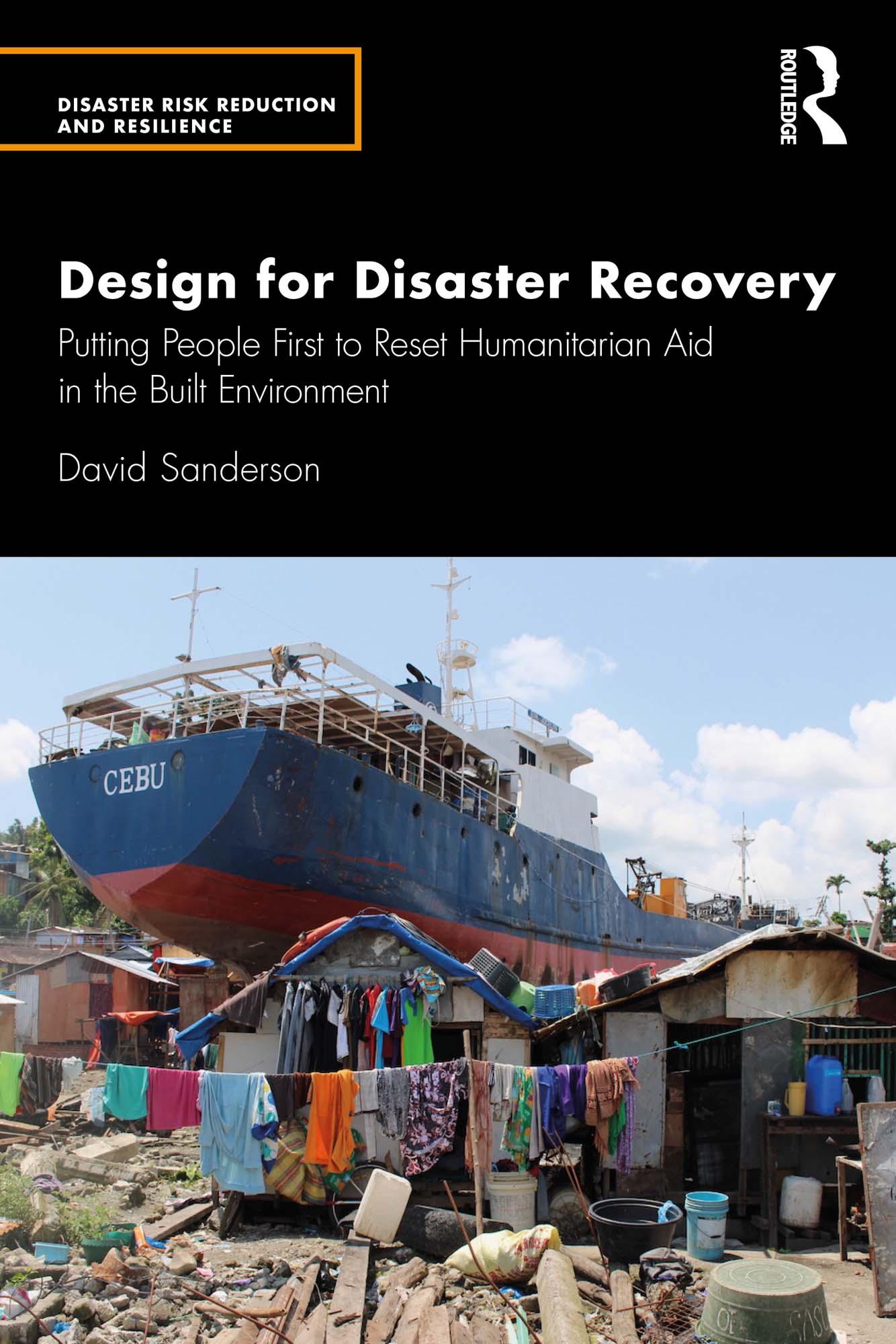
At a time of escalating urban disasters and sharply reduced aid budgets, humanitarian aid, long held in need of reform, has no choice but to reset.
This book argues that humanitarian aid must accomplish this reset by prioritising people’s agency and localising responses. This book provides lessons learned from leading practitioners working in urban development who dissented from established top-down practices to forge better, people-centred approaches. These lessons are compared with the wicked problem of post-disaster shelter provision, reviewing good approaches that work, and some bad ones that don’t. This book ends by proposing three ways for aid to let go, through supporting and trusting people to do the right thing.
This book ultimately seeks to reinforce that engaging in processes is vital for effective disaster recovery programmes. That means putting first those caught up in disaster and supporting local organisations who are best placed to provide the right support. It will be crucial reading for anyone working in humanitarian aid, especially planners, architects, engineers and community development practitioners.
Paga fácilmente con tarjeta, Klarna, Apple Pay o Google Pay. ¿No estás contento? Siempre tienes 14 días de garantía de devolución. Lee más en nuestros términos. Si tienes preguntas, escríbenos a hello@memmo.org.
Memmo hace que estudiar sea más fácil, estés donde estés. Aquí tienes tus libros de texto y herramientas de estudio inteligentes en un solo lugar: resúmenes, quizzes, podcasts y flashcards. Y también a Ted, tu compañero de estudio que responde a todo lo que te preguntes. Más de 50 000 estudiantes ya estudian aquí. Está hecho para que aprendas más rápido y te estreses menos.