
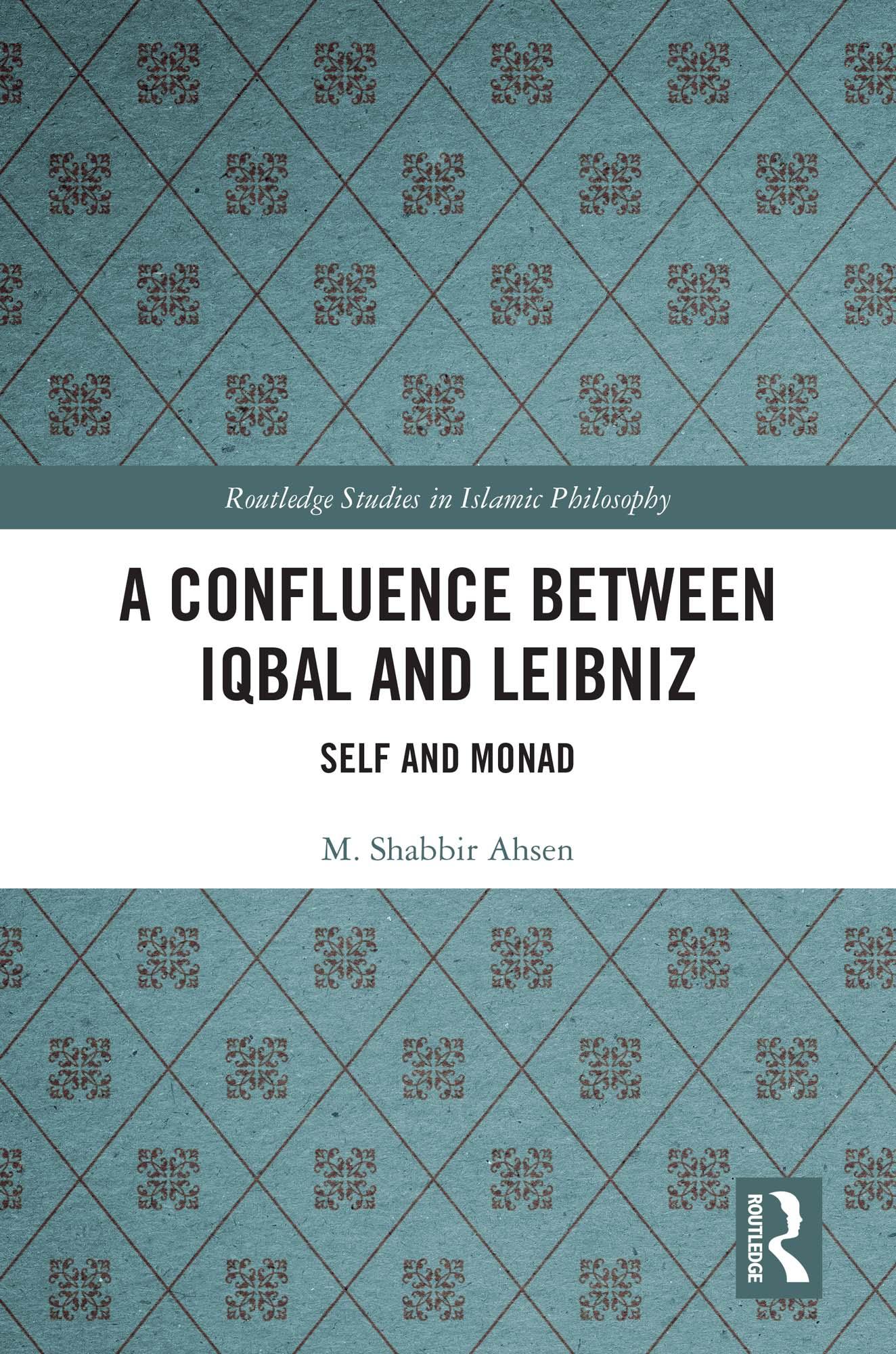
A Confluence Between Iqbal and Leibniz: Self and Monad explores the striking metaphysical parallels between two towering thinkers separated by centuries – Gottfried Wilhelm Leibniz and Muhammad Iqbal.
Bringing these philosophical traditions into dialogue, the book makes a compelling case that both Leibniz and Iqbal articulate a theistic worldview rooted in the metaphysics of plural, self-contained entities: monads for Leibniz and egos or selves for Iqbal. Each thinker posits a universe governed by an omniscient, omnipotent, and benevolent God who grounds all existence and meaning. Through close comparative analysis, the book reveals how both philosophers address the problem of evil, reject Newtonian mechanics, and offer a vision of the cosmos that centres on dynamic individuality and divine purpose. It also revisits and reinterprets key debates in Iqbal scholarship – challenging views that portray him as anti-reason thinkers like Bergson or Nietzsche. In doing so, it opens the possibility that Iqbal’s conception of freedom may even offer a valuable corrective to persistent critiques of Leibniz’s account of agency and determinism.
This work will appeal to students and scholars of comparative philosophy, Islamic thought, metaphysics, and religious studies, and to anyone interested in how modern and classical traditions can converge to illuminate enduring questions of self, freedom, and divine order.
Paga fácilmente con tarjeta, Klarna, Apple Pay o Google Pay. ¿No estás contento? Siempre tienes 14 días de garantía de devolución. Lee más en nuestros términos. Si tienes preguntas, escríbenos a hello@memmo.org.
Memmo hace que estudiar sea más fácil, estés donde estés. Aquí tienes tus libros de texto y herramientas de estudio inteligentes en un solo lugar: resúmenes, quizzes, podcasts y flashcards. Y también a Ted, tu compañero de estudio que responde a todo lo que te preguntes. Más de 50 000 estudiantes ya estudian aquí. Está hecho para que aprendas más rápido y te estreses menos.