
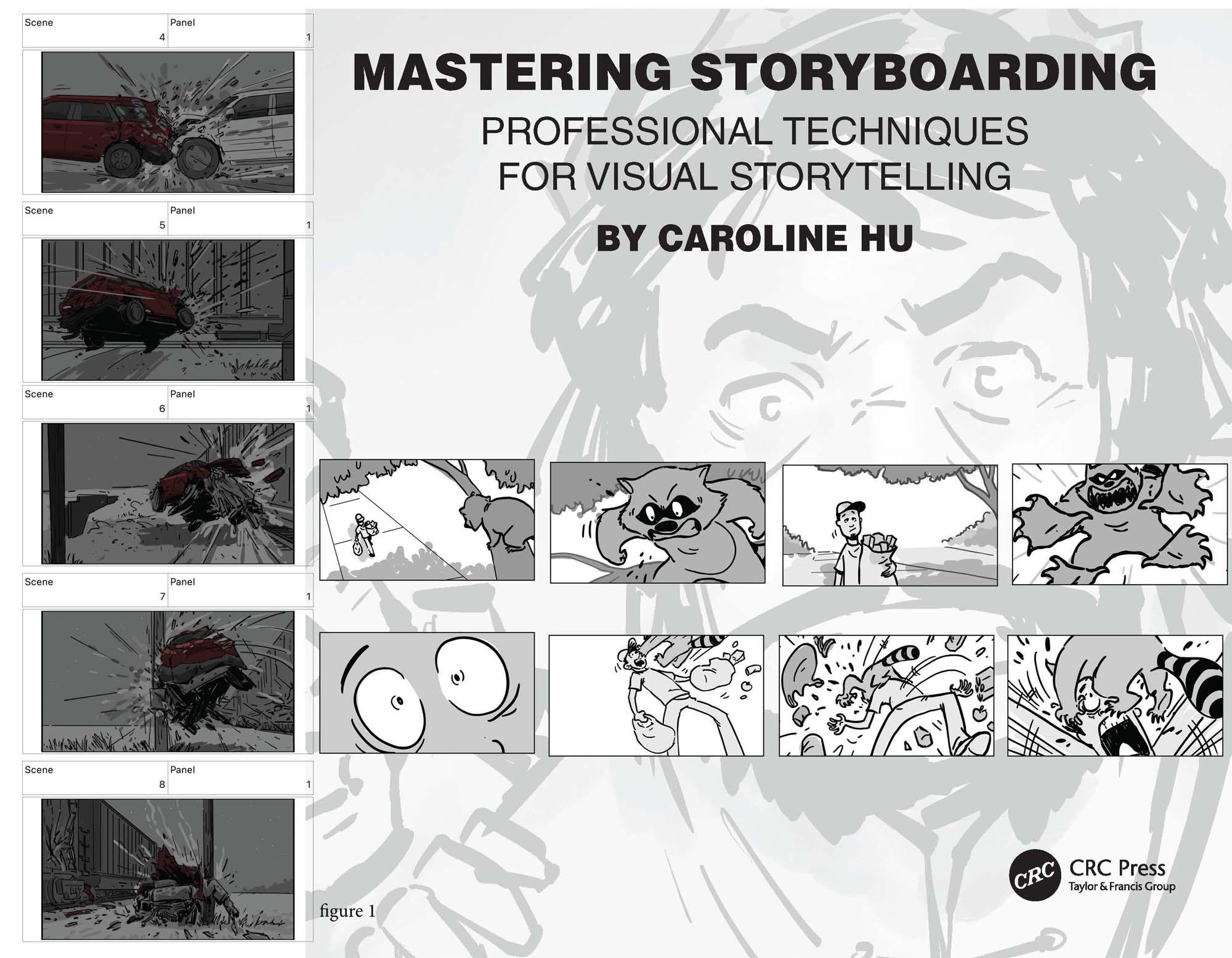
This book offers a comprehensive and practical introduction to the fundamentals of storyboarding, making it an ideal resource for aspiring filmmakers, animators, and visual storytellers. It bridges the gap between written scripts and visual storytelling by demonstrating how scenes are translated into storyboard panels. Readers can see how scripts are broken down into individual shots and how those shots are visually constructed on the page.
Each example includes detailed illustrations of storyboard panels that correspond to script excerpts, giving readers a clear sense of how to interpret narrative beats and visualize camera movement, composition, character blocking, and shot progression. This book explains key concepts in cinematic language—such as shot types (wide, close‑up, over‑the‑shoulder, etc.), camera angles, and transitions—and shows how they are effectively employed in storyboarding.
By studying these examples, readers will gain a deeper understanding of the visual grammar of film. They’ll learn not only how to recognize different shot types but also how to purposefully select and apply them to enhance storytelling, create emotion, and guide the viewer’s eye.
Whether you’re a student or a working professional looking to sharpen your skills, this book serves as both an instructional manual and an accessible visual reference guide.
Paga fácilmente con tarjeta, Klarna, Apple Pay o Google Pay. ¿No estás contento? Siempre tienes 14 días de garantía de devolución. Lee más en nuestros términos. Si tienes preguntas, escríbenos a hello@memmo.org.
Memmo hace que estudiar sea más fácil, estés donde estés. Aquí tienes tus libros de texto y herramientas de estudio inteligentes en un solo lugar: resúmenes, quizzes, podcasts y flashcards. Y también a Ted, tu compañero de estudio que responde a todo lo que te preguntes. Más de 50 000 estudiantes ya estudian aquí. Está hecho para que aprendas más rápido y te estreses menos.