
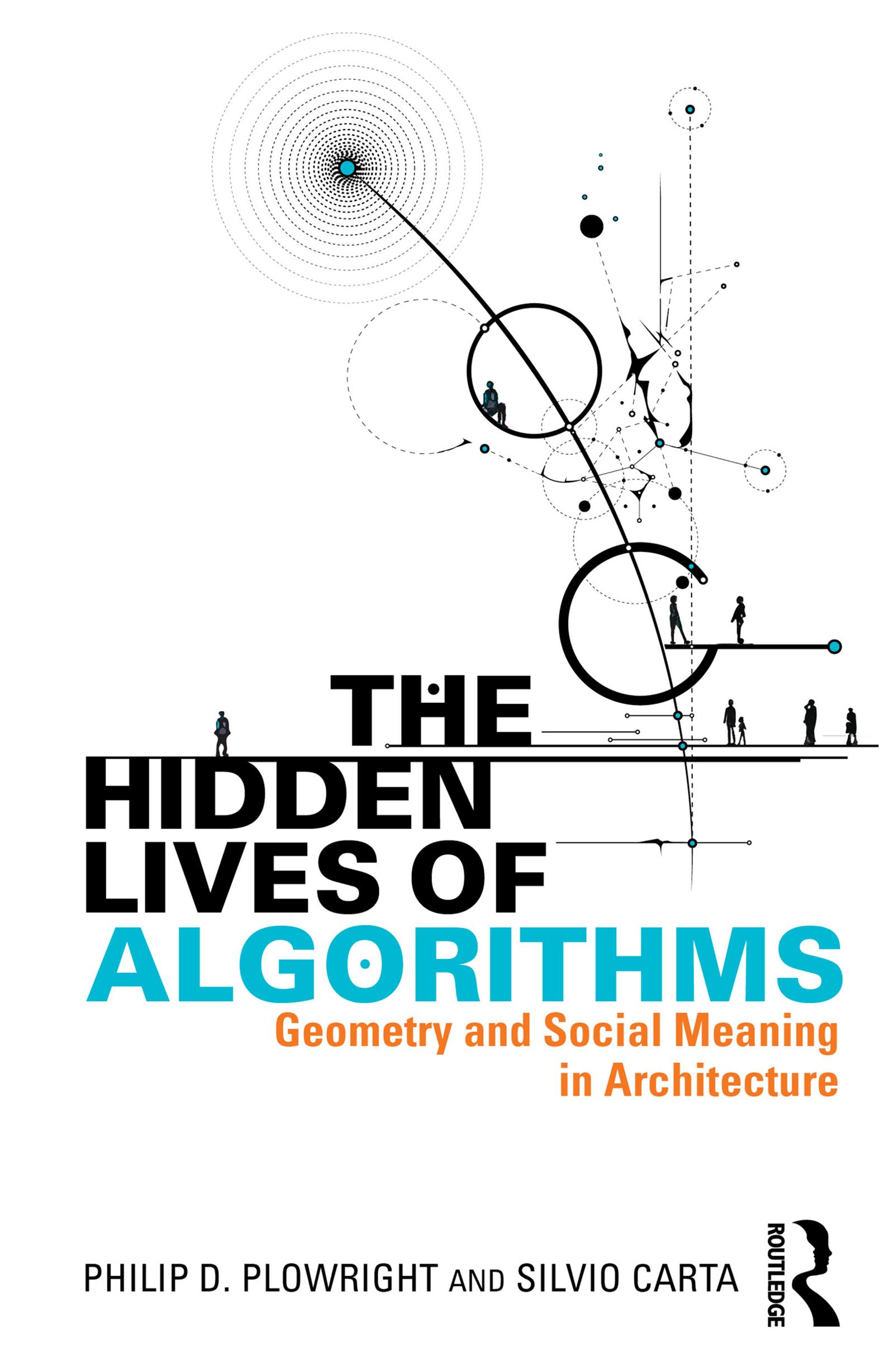
When we draw basic geometric forms — lines, circles, points — to describe the possible future shape of our buildings and our cities, do we consider what predetermined social interactions are embedded in those forms?
Though simple, this question is often overlooked. As generative and analytic algorithms increasingly automate the design of our built environment, the power of basic geometrical notation to affect social meanings becomes both more powerful and more elusive. This book examines how the geometric outcomes of spatialised algorithmic operations influence more complex human experiences of accessibility, belonging, and identity as well as shape the dynamics of equity, connectivity, privacy, and power in architectural and urban spaces.
The Hidden Lives of Algorithms draws insights from architecture, urban studies, computer science, design theory, cognitive science, human geography, environmental psychology, and social theory to investigate the intersection of geometry, computation, and social meaning. Grounded in embodied cognition, the book connects fundamental thinking structures to our spatial experience and examines how algorithms operationalise these ideas in real-world design. This book challenges designers to look beyond technical implementation, urging a critical awareness of how computational processes can reinforce or reimagine the social fabric of our shared spaces.
Paga fácilmente con tarjeta, Klarna, Apple Pay o Google Pay. ¿No estás contento? Siempre tienes 14 días de garantía de devolución. Lee más en nuestros términos. Si tienes preguntas, escríbenos a hello@memmo.org.
Memmo hace que estudiar sea más fácil, estés donde estés. Aquí tienes tus libros de texto y herramientas de estudio inteligentes en un solo lugar: resúmenes, quizzes, podcasts y flashcards. Y también a Ted, tu compañero de estudio que responde a todo lo que te preguntes. Más de 50 000 estudiantes ya estudian aquí. Está hecho para que aprendas más rápido y te estreses menos.