
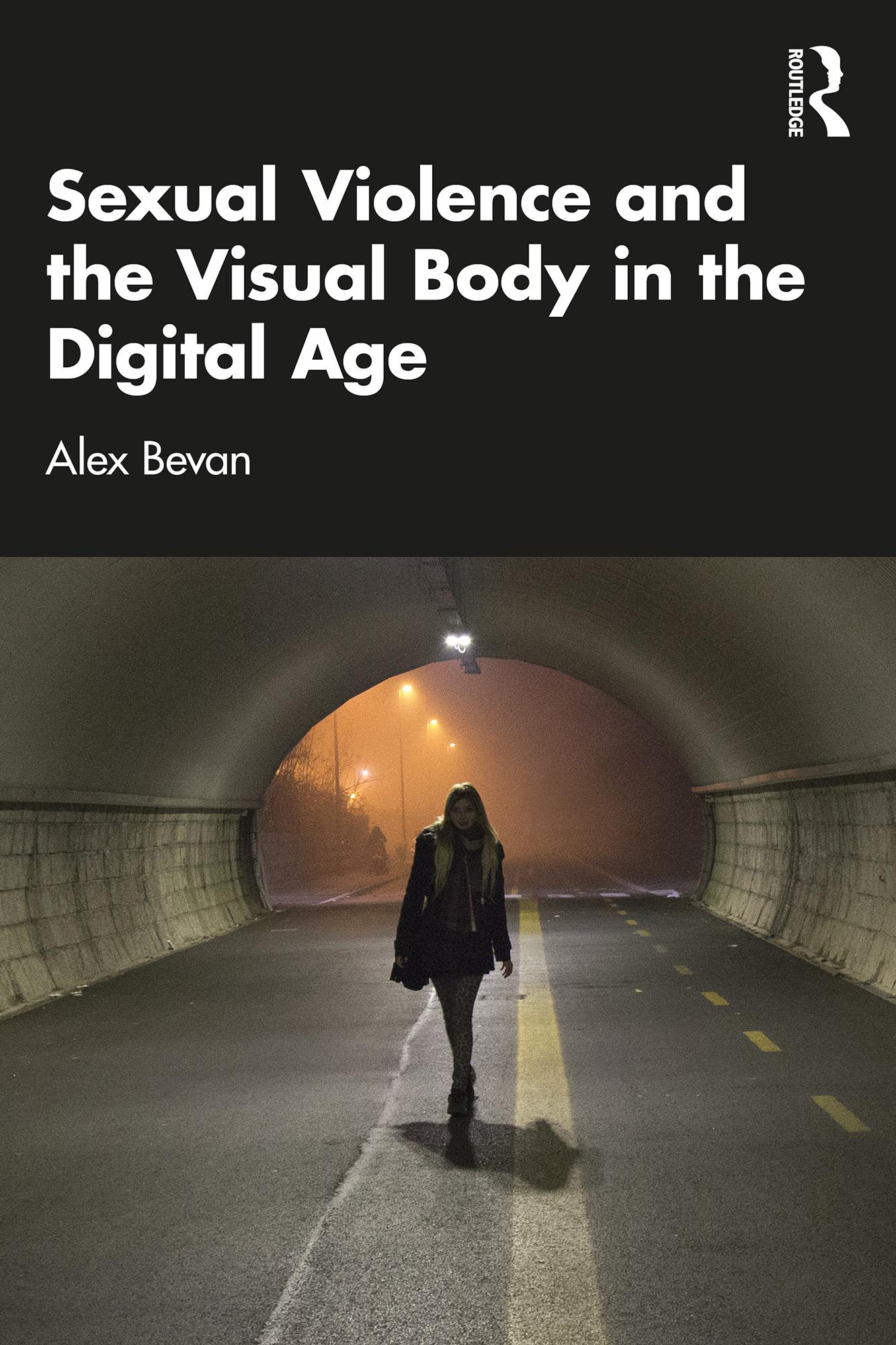
Why do representations of rape tend to look the same? Why do they frequently feature themes of media technology and surveillance? This book traces the role of surveillance technology in film and television depictions of rape in the 2000s. It shows how the stranger rape narrative is popularly used as a sense-making tool for the entanglement of the body, digital technology, and institutions of power. These films and television series interrogate the digital management of self-representation. In a cultural context defined by digitally galvanized feminist movements, a growing awareness of online gender violence, and a global movement aimed at shuttering these discussions, this book is even more pressing if we are to make sense of the relationship between offline and online forms of gender violence and the evolving cultural meaning of the rape narrative.
Paga fácilmente con tarjeta, Klarna, Apple Pay o Google Pay. ¿No estás contento? Siempre tienes 14 días de garantía de devolución. Lee más en nuestros términos. Si tienes preguntas, escríbenos a hello@memmo.org.
Memmo hace que estudiar sea más fácil, estés donde estés. Aquí tienes tus libros de texto y herramientas de estudio inteligentes en un solo lugar: resúmenes, quizzes, podcasts y flashcards. Y también a Ted, tu compañero de estudio que responde a todo lo que te preguntes. Más de 50 000 estudiantes ya estudian aquí. Está hecho para que aprendas más rápido y te estreses menos.