
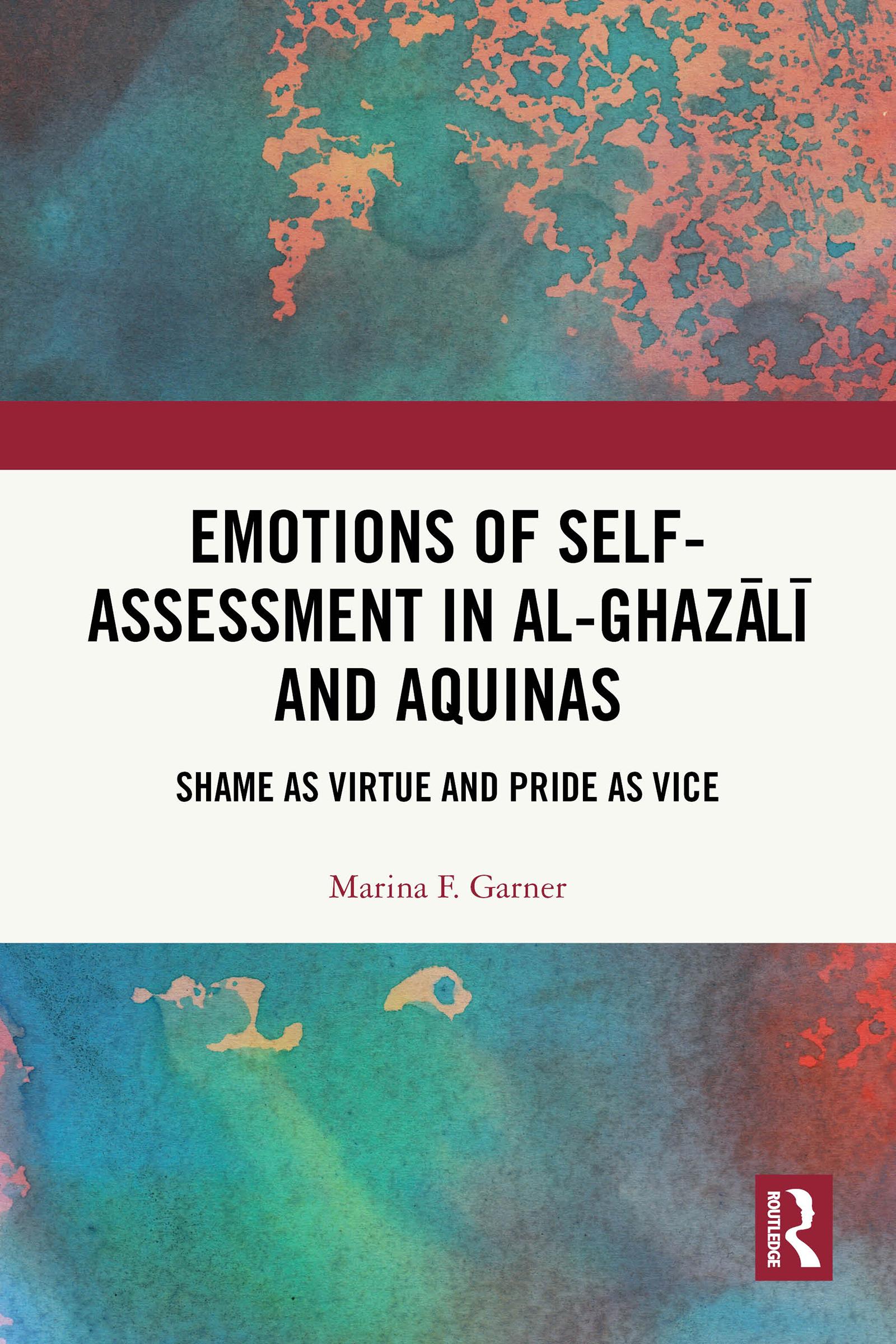
This book offers a comparative study of two central yet often neglected moral emotions—shame and pride—in the ethical writings of Abū Ḥāmid al-Ghazālī and Thomas Aquinas. Moving beyond conventional accounts of medieval philosophy focused on metaphysics or law, it reveals how each thinker reinterprets Aristotelian virtue ethics through the lens of religious commitment. While Aristotle regarded pride as the crowning virtue and shame merely as a praiseworthy emotion, al-Ghazālī and Aquinas recast this evaluation: they elevate shame as a virtue and denounce pride as a fundamental vice.
Through close textual analysis and careful contextualization, the book traces how each thinker integrates these emotions into their broader theological and philosophical visions. By examining the metaphysical, psychological, and ritual dimensions of shame and pride, it illuminates the deep interrelation between self-assessment and moral formation in religious ethics.
Richly interdisciplinary and grounded in rigorous historical scholarship, this study contributes to comparative philosophy, Islamic and Christian ethics, moral psychology, and the philosophy of emotion. It offers not only a fresh reading of key figures but also a new framework for understanding how religious beliefs and practices can shape the valence of emotions.
Paga fácilmente con tarjeta, Klarna, Apple Pay o Google Pay. ¿No estás contento? Siempre tienes 14 días de garantía de devolución. Lee más en nuestros términos. Si tienes preguntas, escríbenos a hello@memmo.org.
Memmo hace que estudiar sea más fácil, estés donde estés. Aquí tienes tus libros de texto y herramientas de estudio inteligentes en un solo lugar: resúmenes, quizzes, podcasts y flashcards. Y también a Ted, tu compañero de estudio que responde a todo lo que te preguntes. Más de 50 000 estudiantes ya estudian aquí. Está hecho para que aprendas más rápido y te estreses menos.