
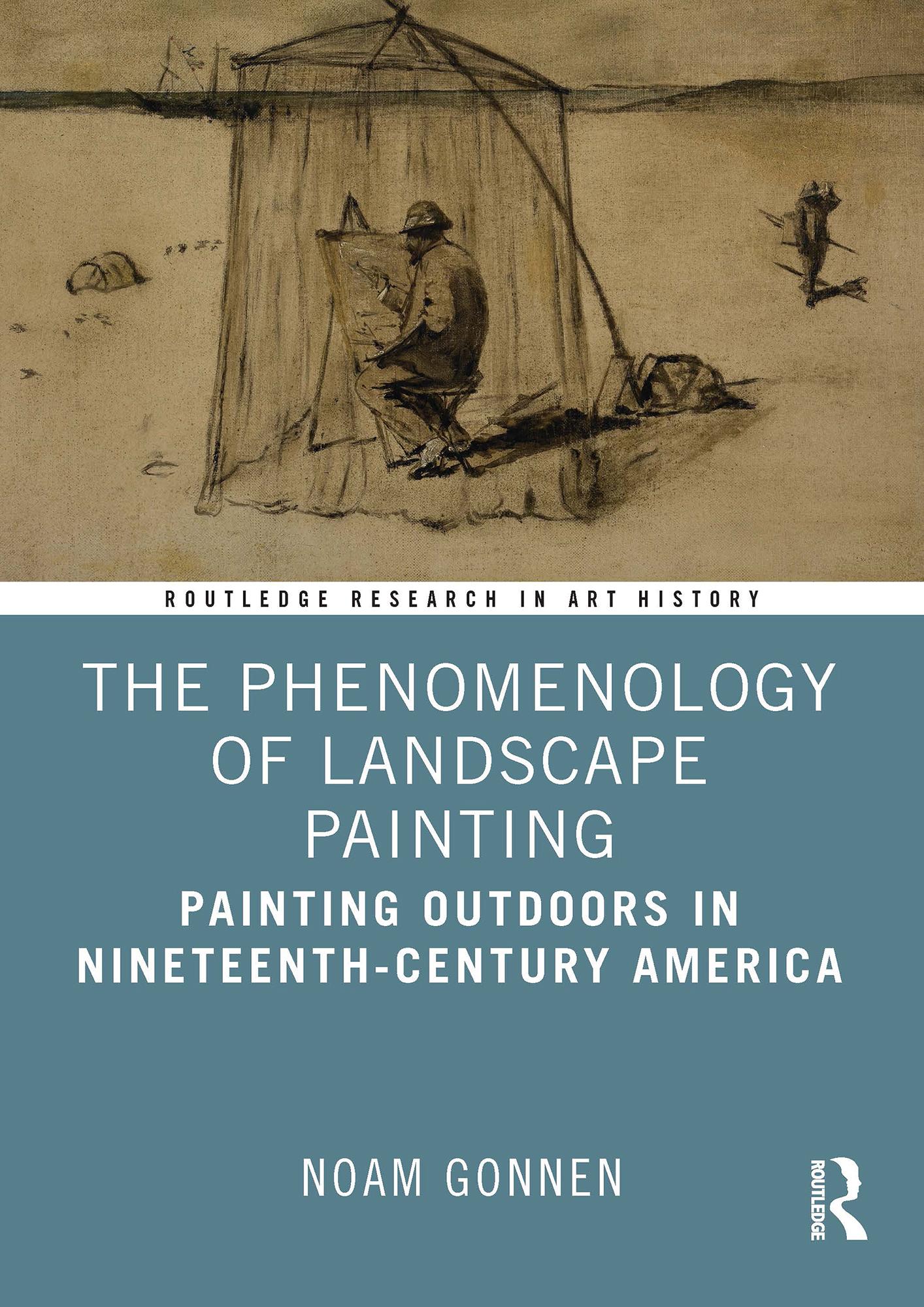
Offering a new view of nineteenth-century American landscape painting, this book focuses on the praxis of open-air painting and its distinctive role in generating and invigorating a new conceptualization of American landscape painting in the late nineteenth century.
Drawing on phenomenology and on theories of presence, embodiment, and making, the author traces the transition in landscape painting from Hudson River School aesthetics to a new ground, manifested in three aspects – immersiveness, materiality, and performance. Analyzing both paintings and primary sources such as tourist literature, art criticism, diary entries, artists’ handbooks, treatises, and professional publications ranging from geography to physiology, the author underpins the significance of open-air painting in the history of American art and evaluates its reception against a backdrop of cultural, historical, and aesthetic shifts in the postbellum era. Overall, the book juxtaposes landscape experience with artistic experience and explores the tension between observing and making, thereby suggesting new analytical tools for nineteenth-century art and epistemology.
This is an ideal text for researchers in art history and theory, human geography, environmental studies, and philosophy.
Paga fácilmente con tarjeta, Klarna, Apple Pay o Google Pay. ¿No estás contento? Siempre tienes 14 días de garantía de devolución. Lee más en nuestros términos. Si tienes preguntas, escríbenos a hello@memmo.org.
Memmo hace que estudiar sea más fácil, estés donde estés. Aquí tienes tus libros de texto y herramientas de estudio inteligentes en un solo lugar: resúmenes, quizzes, podcasts y flashcards. Y también a Ted, tu compañero de estudio que responde a todo lo que te preguntes. Más de 50 000 estudiantes ya estudian aquí. Está hecho para que aprendas más rápido y te estreses menos.