
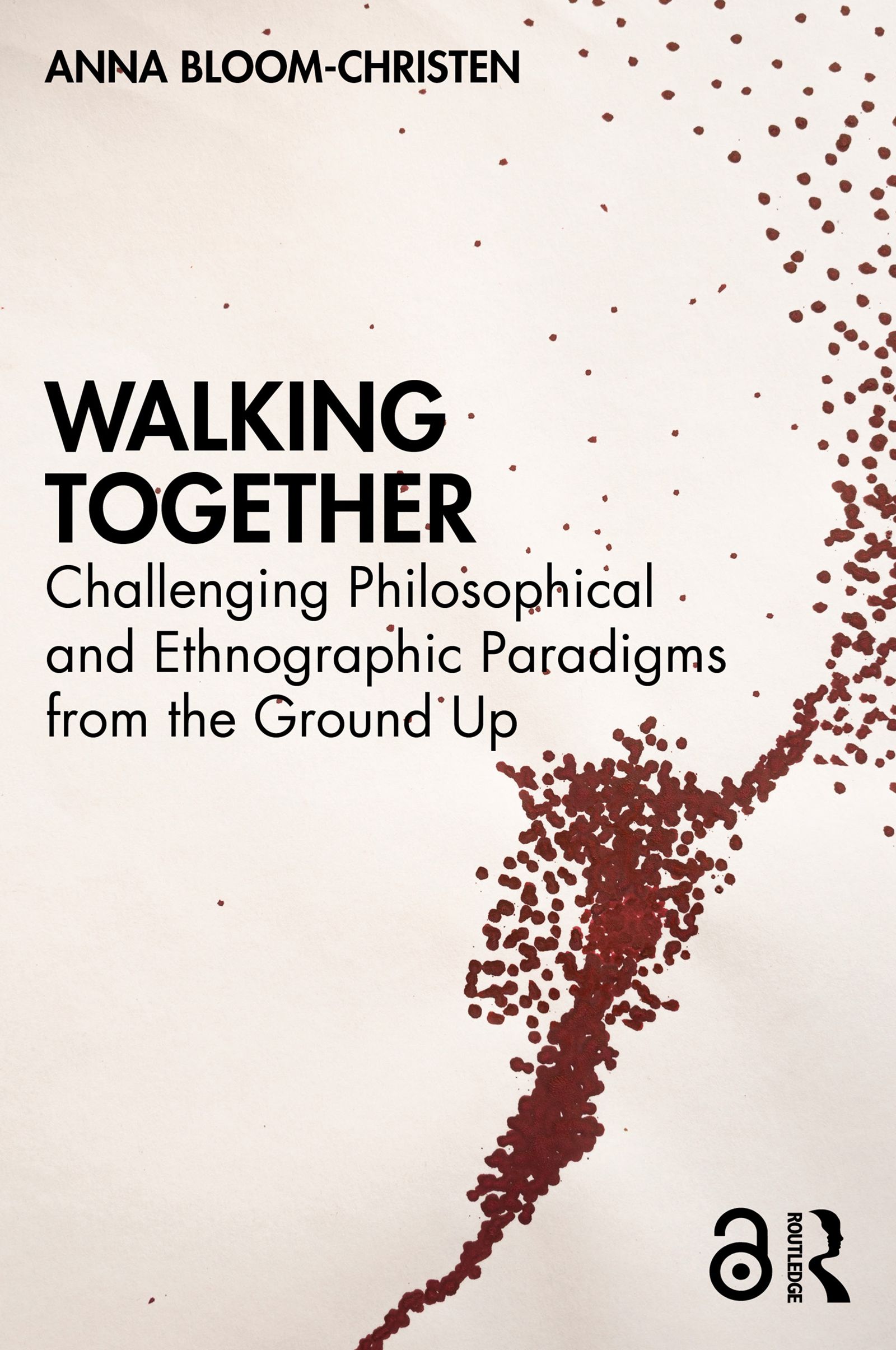
This book examines walking together as a research method, a social practice, and a paradigmatic social phenomenon. Anchored in long-term fieldwork in post-apartheid South Africa, it explores how walking together exposes the dissonance between lived racialized power asymmetries and methodological ideals that assume universal accessibility of public space. In doing so, the book turns a critical eye toward recent developments in social ontology and phenomenology that underpin walking methodology, interrogating their own theoretical commitments, their claims to universality, as well as their attempts to account for power inequality. The book further shows how the history of walking is deeply intertwined with the history of participant observation, revealing how methodological ideals have been shaped by the embodied, uneven conditions of research on the ground. Combining peripatetic ethnography with theoretical reflections on pace bias, hidden particulars, and agency, the book builds a case for a more accountable walking methodology and offers conceptual tools for working with, rather than smoothing over, difference. By unsettling idealized accounts of walking together, this book offers a fresh approach to movement- based methods that centers lived complexity. It will appeal to scholars and students of anthropology, philosophy, sociology, urban studies, mobility, and methodology – as well as anyone curious about the politics of bodies in public.
The Open Access version of this book, available at http://www.taylorfrancis.com, has been made available under a Creative Commons [Attribution-Non Commercial-No Derivatives (CC BY-NC-ND)] 4.0 license.
Paga fácilmente con tarjeta, Klarna, Apple Pay o Google Pay. ¿No estás contento? Siempre tienes 14 días de garantía de devolución. Lee más en nuestros términos. Si tienes preguntas, escríbenos a hello@memmo.org.
Memmo hace que estudiar sea más fácil, estés donde estés. Aquí tienes tus libros de texto y herramientas de estudio inteligentes en un solo lugar: resúmenes, quizzes, podcasts y flashcards. Y también a Ted, tu compañero de estudio que responde a todo lo que te preguntes. Más de 50 000 estudiantes ya estudian aquí. Está hecho para que aprendas más rápido y te estreses menos.