
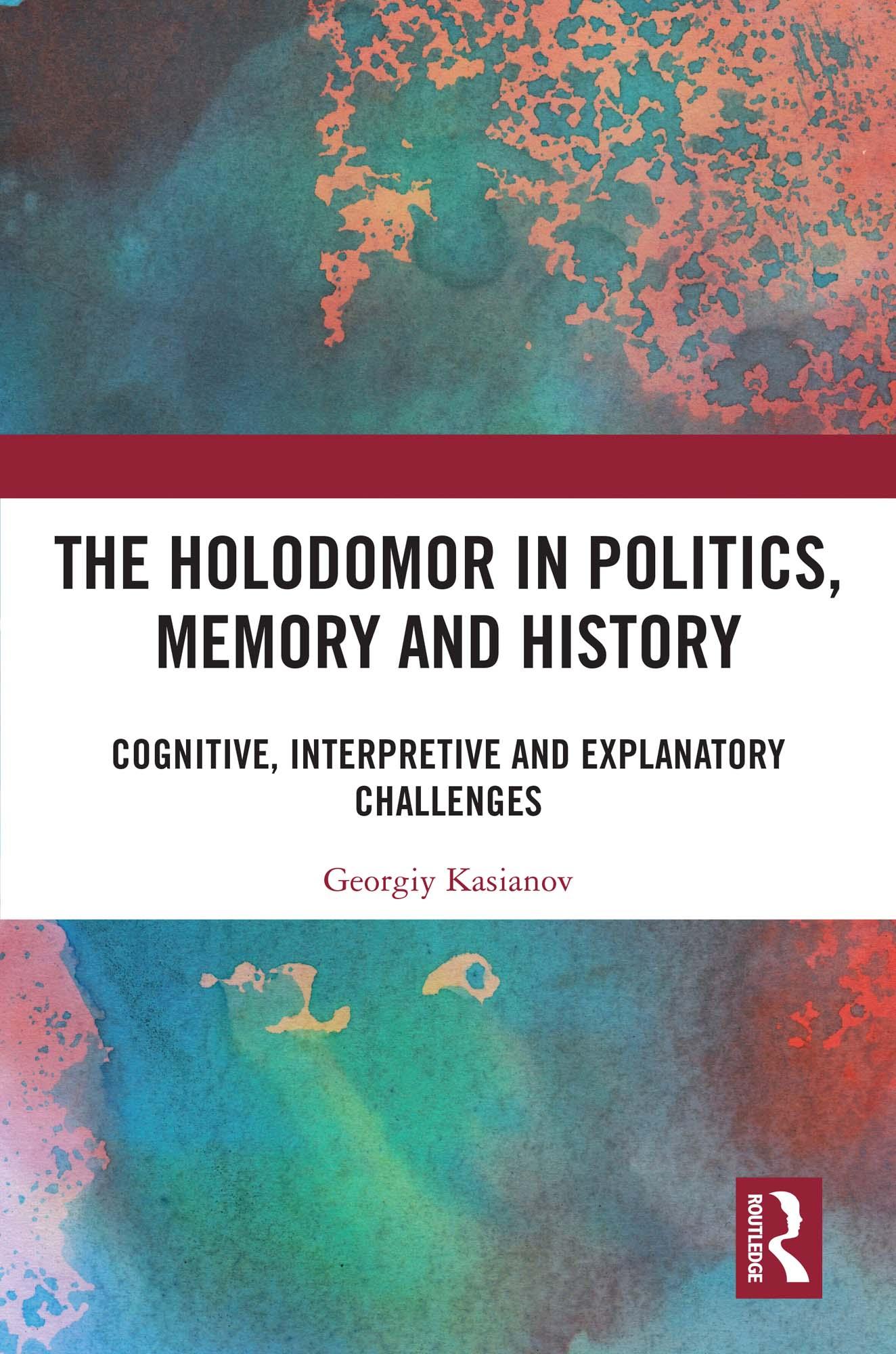
This volume presents the first comprehensive scholarly analysis of the collective memory of the Holodomor—the Ukrainian Great Famine of 1932-1933—examining its construction, evolution, and contestation across nearly a century. Moving beyond historical accounts of the event itself, this book interrogates how memories of this catastrophe have been shaped, mobilized, and interpreted within multiple discursive frameworks.
Drawing on interdisciplinary methodological approaches from memory studies and political science, the author provides a rigorous examination of how the Holodomor has been constructed as social (cultural) memory by actors who challenged Soviet policies of enforced amnesia. This book illuminates the complex interrelationship between memory agents, political institutions, and commemorative practices while critically assessing the securitization of memory and its implications for academic discourse.
This theoretically nuanced contribution to memory studies and Eastern European historiography will be indispensable for researchers and postgraduate students engaged with genocide studies, collective memory, post-Soviet politics, and the intersection of historical narrative and national identity formation.
Paga fácilmente con tarjeta, Klarna, Apple Pay o Google Pay. ¿No estás contento? Siempre tienes 14 días de garantía de devolución. Lee más en nuestros términos. Si tienes preguntas, escríbenos a hello@memmo.org.
Memmo hace que estudiar sea más fácil, estés donde estés. Aquí tienes tus libros de texto y herramientas de estudio inteligentes en un solo lugar: resúmenes, quizzes, podcasts y flashcards. Y también a Ted, tu compañero de estudio que responde a todo lo que te preguntes. Más de 50 000 estudiantes ya estudian aquí. Está hecho para que aprendas más rápido y te estreses menos.