
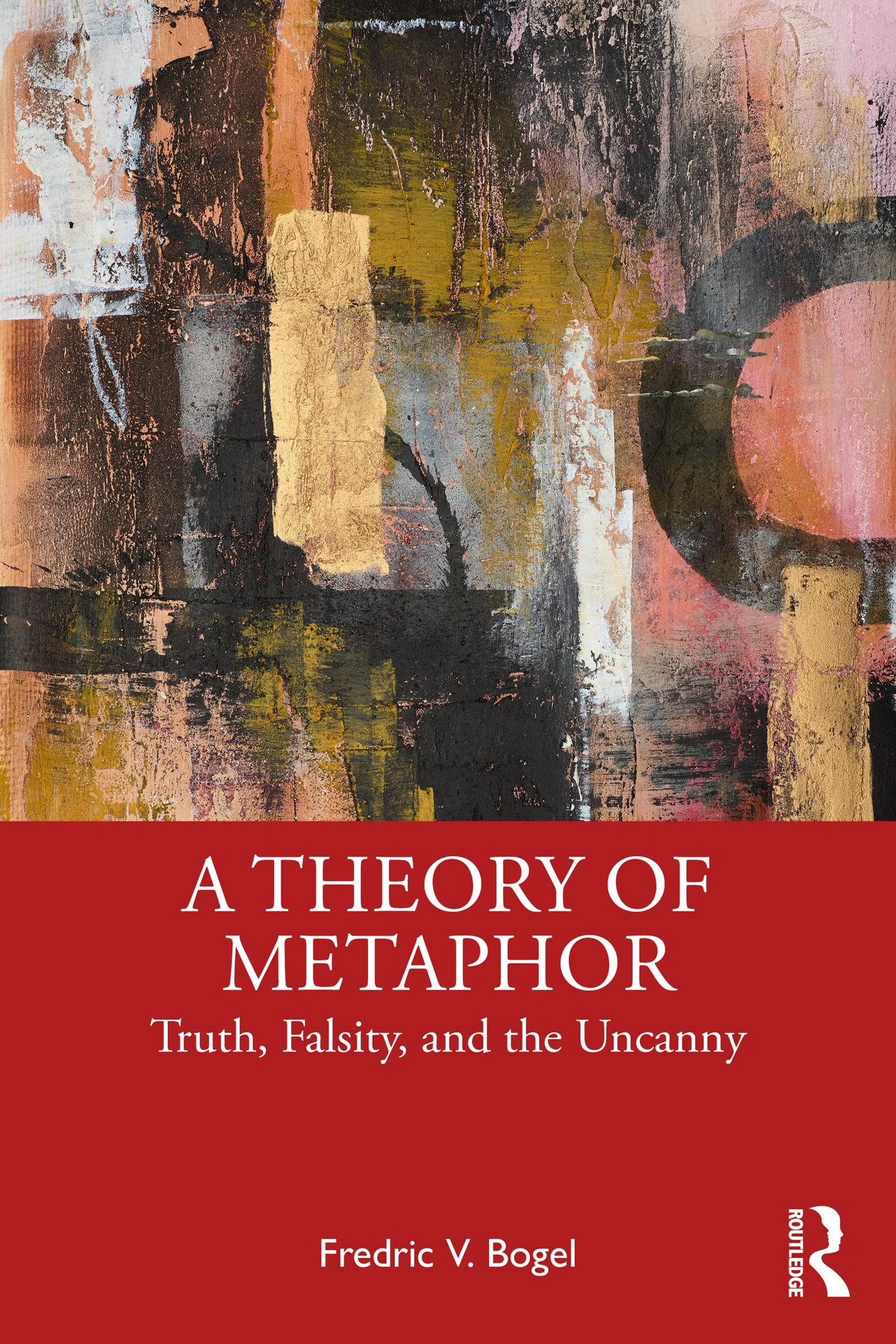
A Theory of Metaphor: Truth, Falsity, and the Uncanny is a strikingly original analysis of metaphor. Scholarly and imaginative, this sophisticated theory builds on a simple definition: metaphors are not comparisons but statements of identity (A is B), statements simultaneously true and false.
Bogel explores a broad range of literary theory and philosophy: from Aristotle to Žižek, Augustine to Wittgenstein, Richards to Ricoeur and Blumenberg. The book analyzes a wide variety of literary and non-literary texts, including popular forms such as graveyard epitaphs, sermons, cartoons (Garry Trudeau's Doonesbury), and a haunting episode of Star Trek: The Next Generation. It extends the central concept of truth and falsity to the reader's encounter with metaphor, figural interpretation of scripture, entire poems as metaphors, the aesthetics of obliquity and textual impurity, and Freudian psychoanalysis—in particular, links between metaphor and the uncanny.
This rigorously and eloquently argued book will be invaluable to students of metaphor across such fields as literary criticism and theory, philosophy, linguistics, rhetoric, psychoanalysis, and media studies. Its arguments are enriched by numerous concrete examples and analyses that bring theory to life and help to reach beyond an academic audience. Bogel's ground-breaking study takes our understanding of metaphor in new and important directions.
Paga fácilmente con tarjeta, Klarna, Apple Pay o Google Pay. ¿No estás contento? Siempre tienes 14 días de garantía de devolución. Lee más en nuestros términos. Si tienes preguntas, escríbenos a hello@memmo.org.
Memmo hace que estudiar sea más fácil, estés donde estés. Aquí tienes tus libros de texto y herramientas de estudio inteligentes en un solo lugar: resúmenes, quizzes, podcasts y flashcards. Y también a Ted, tu compañero de estudio que responde a todo lo que te preguntes. Más de 50 000 estudiantes ya estudian aquí. Está hecho para que aprendas más rápido y te estreses menos.