
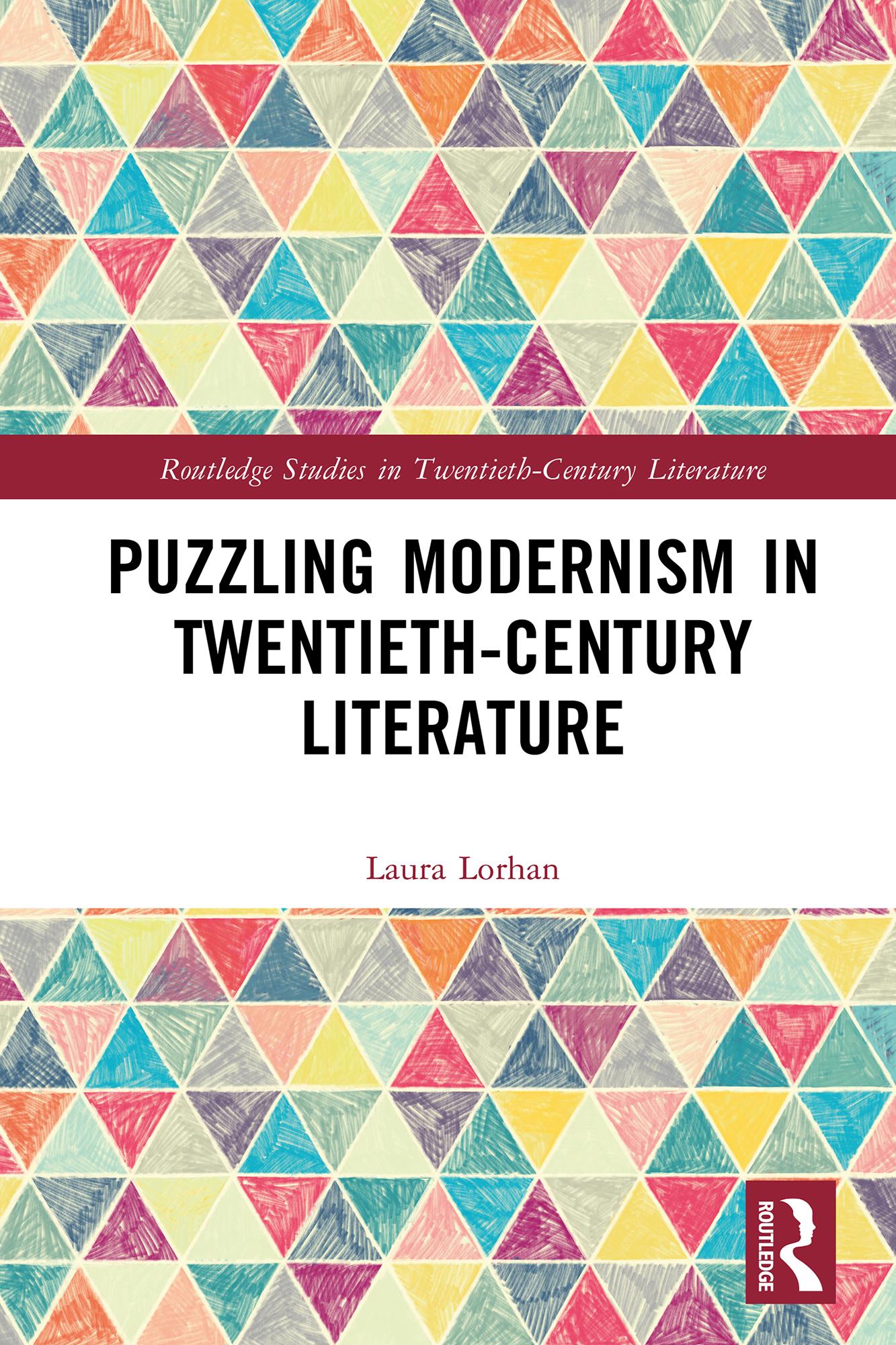
Puzzling Modernism in Twentieth-Century Literature identifies a sustained interest in puzzles, such as the jigsaw and Fifteen Puzzle, dating back to the 1880s in the United States, and argues that puzzles appealed to modernist authors because they offer a framework for acknowledging the grim realities of modern life without sacrificing the possibility for reconnection and regaining a sense of wholeness. However, puzzles also participate in exclusionary discourses and advance regressive agendas, particularly when administered as intelligence tests. Far more than aesthetic models, then, puzzles serve modernist writers as tools for revealing and frequently subverting the rhetorical ends to which these seemingly innocent and trivial pastimes have been put. This volume examines how Ezra Pound, T.S. Eliot, Dorothy Parker, Djuna Barnes, Jean Toomer, and Carson McCullers intervened in cultural debates about race, gender, sexuality, and belonging via their selection of specific puzzles as aesthetic influences and touchstones for interrogating received ideas. Geared toward specialists in twentieth-century Anglo-American literature, this book is, nonetheless, accessible to undergraduates and other educated readerships. Blending close reading with cultural history, Puzzling Modernism in Twentieth-Century Literature offers a nuanced view of American literary history from a time, not unlike our own, in which nativism, intolerance, and fear were endemic.
Paga fácilmente con tarjeta, Klarna, Apple Pay o Google Pay. ¿No estás contento? Siempre tienes 14 días de garantía de devolución. Lee más en nuestros términos. Si tienes preguntas, escríbenos a hello@memmo.org.
Memmo hace que estudiar sea más fácil, estés donde estés. Aquí tienes tus libros de texto y herramientas de estudio inteligentes en un solo lugar: resúmenes, quizzes, podcasts y flashcards. Y también a Ted, tu compañero de estudio que responde a todo lo que te preguntes. Más de 50 000 estudiantes ya estudian aquí. Está hecho para que aprendas más rápido y te estreses menos.