
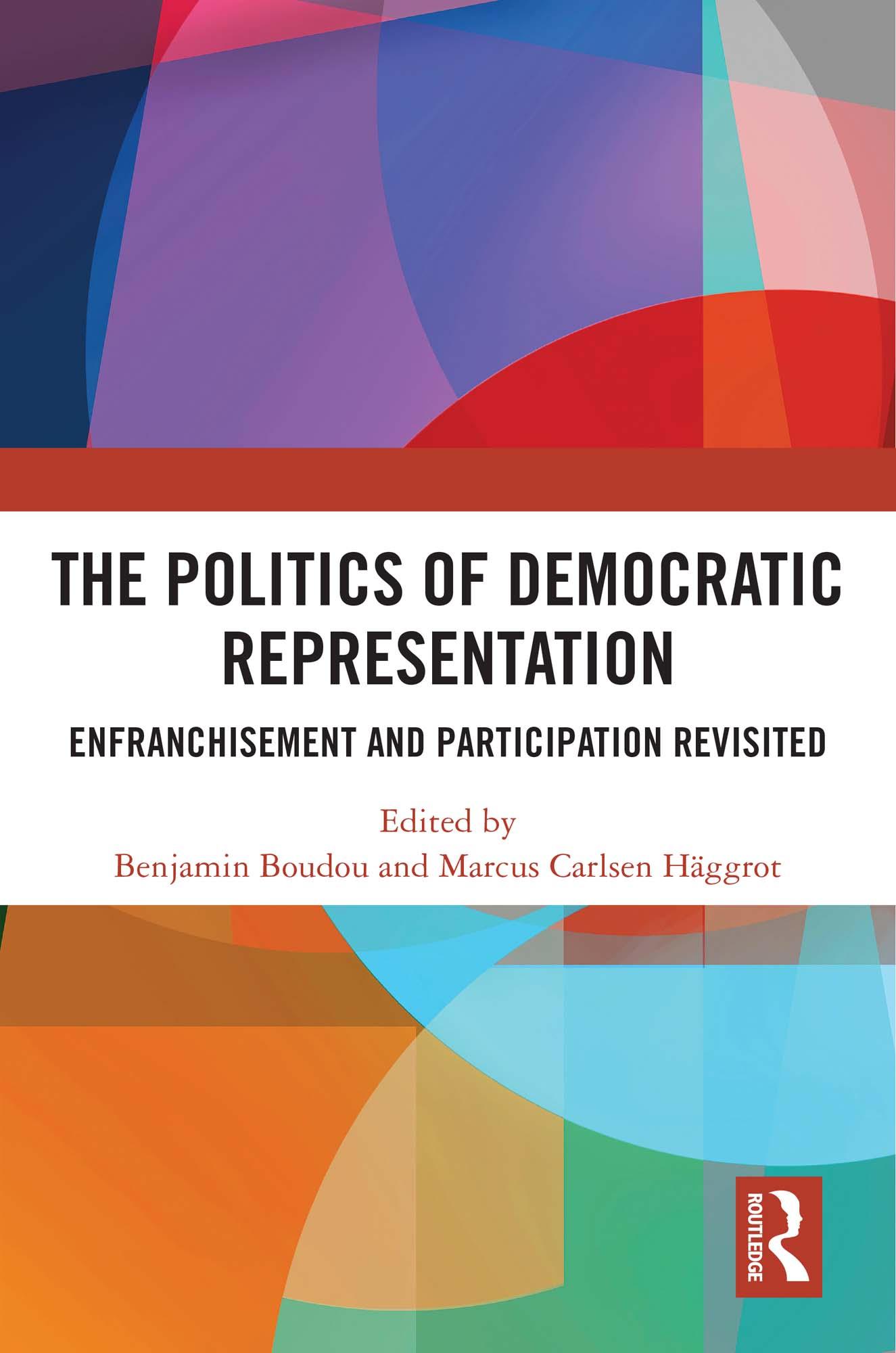
The book discusses boundaries of electoral inclusion and mechanisms of electoral representation in contemporary democracies.
While the ancient Athenians took the idea of rule by the people to require direct popular participation in public decision-making and the appointment of officials by lottery mechanisms, democracy is nowadays interpreted electorally. We partake in government mostly by electing the legislative, and sometimes executive, officials who in turn make the substantive decisions. Yet, who “we” is and how electoral representation should function remains hotly contested. Controversies abound about the proper configuration of the demos – the body of persons who are enfranchised – the ways it is to exercise electoral choice and agency. This book takes up several carefully selected questions from these theoretical and political debates. Looking at the (dis)enfranchisement of children, cognitively disabled persons, and refugees, and discussing the forms of representation that might be afforded to external voters, future generations, and non-citizens, the contributions develop innovative arguments applying the basic principles of electoral democracy to the complexities of specific, real-world cases. Doing so, the contributions offer timely, yet unorthodox, perspectives on the theory and practice of electoral democracy.
This book was originally published as a special issue of Critical Review of International Social and Political Philosophy.
Paga fácilmente con tarjeta, Klarna, Apple Pay o Google Pay. ¿No estás contento? Siempre tienes 14 días de garantía de devolución. Lee más en nuestros términos. Si tienes preguntas, escríbenos a hello@memmo.org.
Memmo hace que estudiar sea más fácil, estés donde estés. Aquí tienes tus libros de texto y herramientas de estudio inteligentes en un solo lugar: resúmenes, quizzes, podcasts y flashcards. Y también a Ted, tu compañero de estudio que responde a todo lo que te preguntes. Más de 50 000 estudiantes ya estudian aquí. Está hecho para que aprendas más rápido y te estreses menos.