
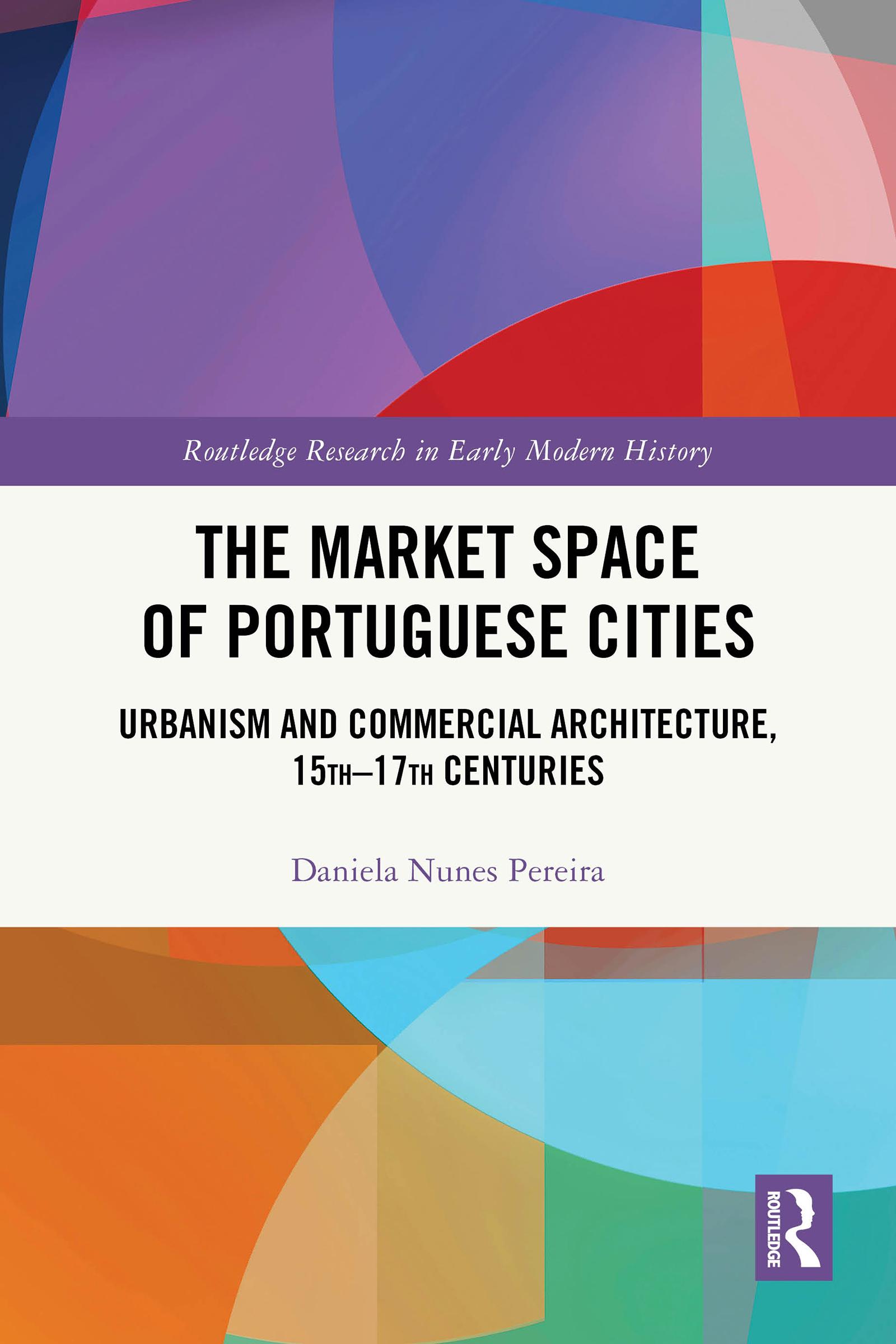
This book explores the transformation of market spaces in Portuguese cities during the intensification of trade driven by increasing profits from overseas exchanges, and how architectural structures and urban planning were directly impacted by these changes to accommodate the new economic dynamics.
The terminology and architectural elements of commercial spaces are analyzed to understand the organization of markets. By examining terms such as square, street, town hall, estaus, granaries, porches, arcades, balconies, and shops, the book not only maps the physical locations of these markets but also offers an interpretation of these spaces as instruments of economic control and power organization, reflecting the tensions between market efficiency and the dominance of urban elites. Based on historical documents including contracts, municipal records, and urban regulations, the book offers fresh perspectives on market spaces in Portuguese cities, highlighting the crucial role of commerce in urban transformation and in the adaptation to the increasing economic demands of this period.
This volume is intended for historians, architects, urban planners, and scholars interested in urban history, economic history, and the intersection of architecture and commerce. Its interdisciplinary approach makes it relevant for any reader seeking to understand how trade shaped cities in the early modern period.
Paga fácilmente con tarjeta, Klarna, Apple Pay o Google Pay. ¿No estás contento? Siempre tienes 14 días de garantía de devolución. Lee más en nuestros términos. Si tienes preguntas, escríbenos a hello@memmo.org.
Memmo hace que estudiar sea más fácil, estés donde estés. Aquí tienes tus libros de texto y herramientas de estudio inteligentes en un solo lugar: resúmenes, quizzes, podcasts y flashcards. Y también a Ted, tu compañero de estudio que responde a todo lo que te preguntes. Más de 50 000 estudiantes ya estudian aquí. Está hecho para que aprendas más rápido y te estreses menos.