
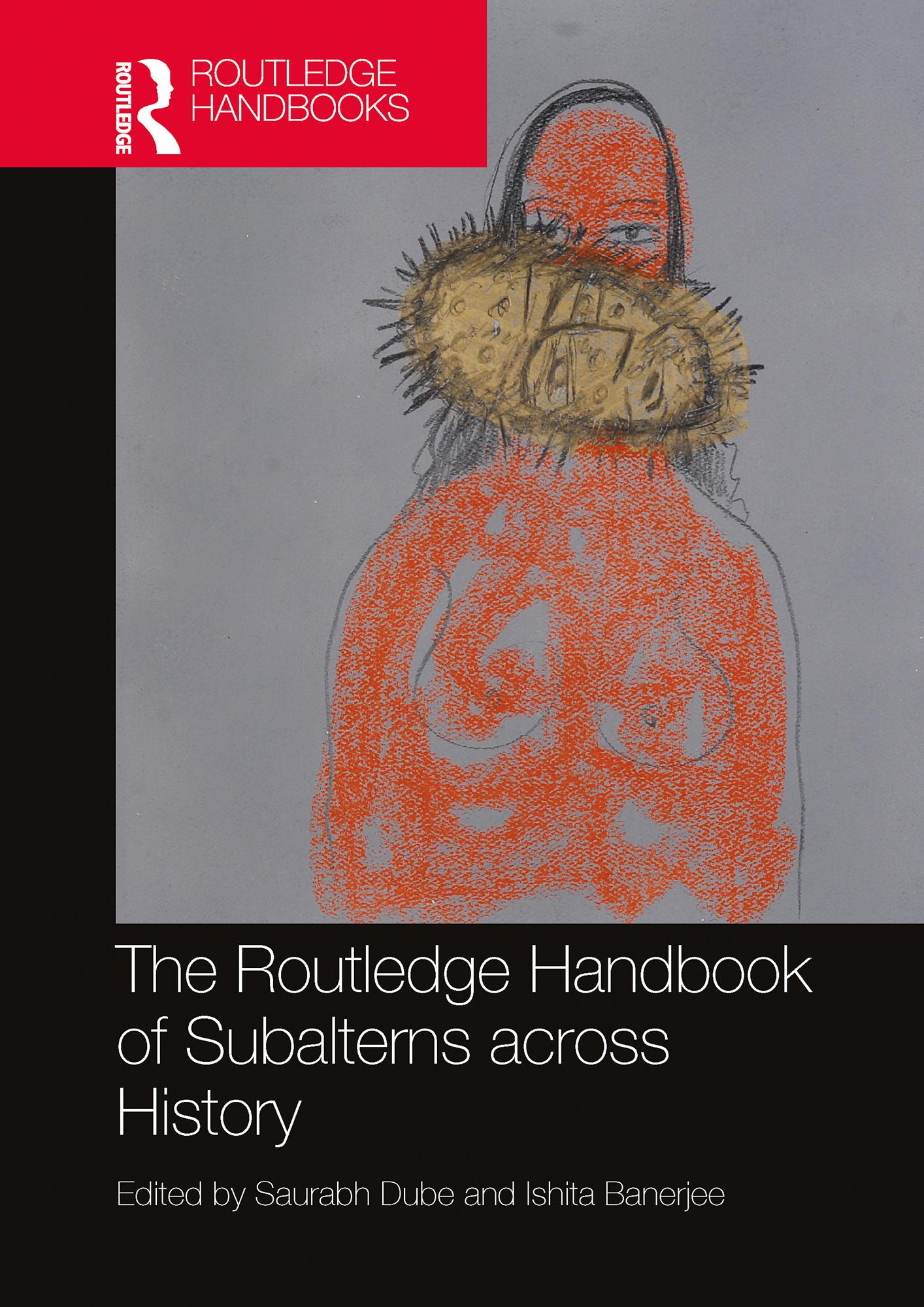
Subaltern Studies has marked both a major departure in South Asian studies and indexed broader shifts in the critical humanities and social sciences. This volume explores what it means today to set to work studies of subaltern subjects in our rapidly mutating social worlds.
This handbook spans diverse historical, ethnographic, and geopolitical spaces, drawing in the Antipodes and the Americas, Diasporas and Oceanic worlds, Africa and the Middle East, apart from Europe and many South Asias – overlapping arenas in which the “subaltern” continues to find distinct yet substantive articulations. It also seeks to meaningfully juxtapose practices and processes of gender and race; indigeneity and indenture; age and sexuality; slavery and apartheid; the Adivasi and the Dalit; settler-colonialisms and nations; nature and environment; caste and tribe; diaspora and blackness; capital and property; science and technology; media and cinema; the body and dance; heteronormativity and queerness; state and governance; and politics and justice. In these ways, the study un-frames disciplinary boundaries and maps emergent terrains, exactly articulating pressing subjects and rethinking distinct subalternities.
This book is aimed at researchers, scholars, and advanced undergraduate and graduate students in the critical human sciences, especially history, anthropology, social theory, and cultural, gender, and literary studies.
Paga fácilmente con tarjeta, Klarna, Apple Pay o Google Pay. ¿No estás contento? Siempre tienes 14 días de garantía de devolución. Lee más en nuestros términos. Si tienes preguntas, escríbenos a hello@memmo.org.
Memmo hace que estudiar sea más fácil, estés donde estés. Aquí tienes tus libros de texto y herramientas de estudio inteligentes en un solo lugar: resúmenes, quizzes, podcasts y flashcards. Y también a Ted, tu compañero de estudio que responde a todo lo que te preguntes. Más de 50 000 estudiantes ya estudian aquí. Está hecho para que aprendas más rápido y te estreses menos.