
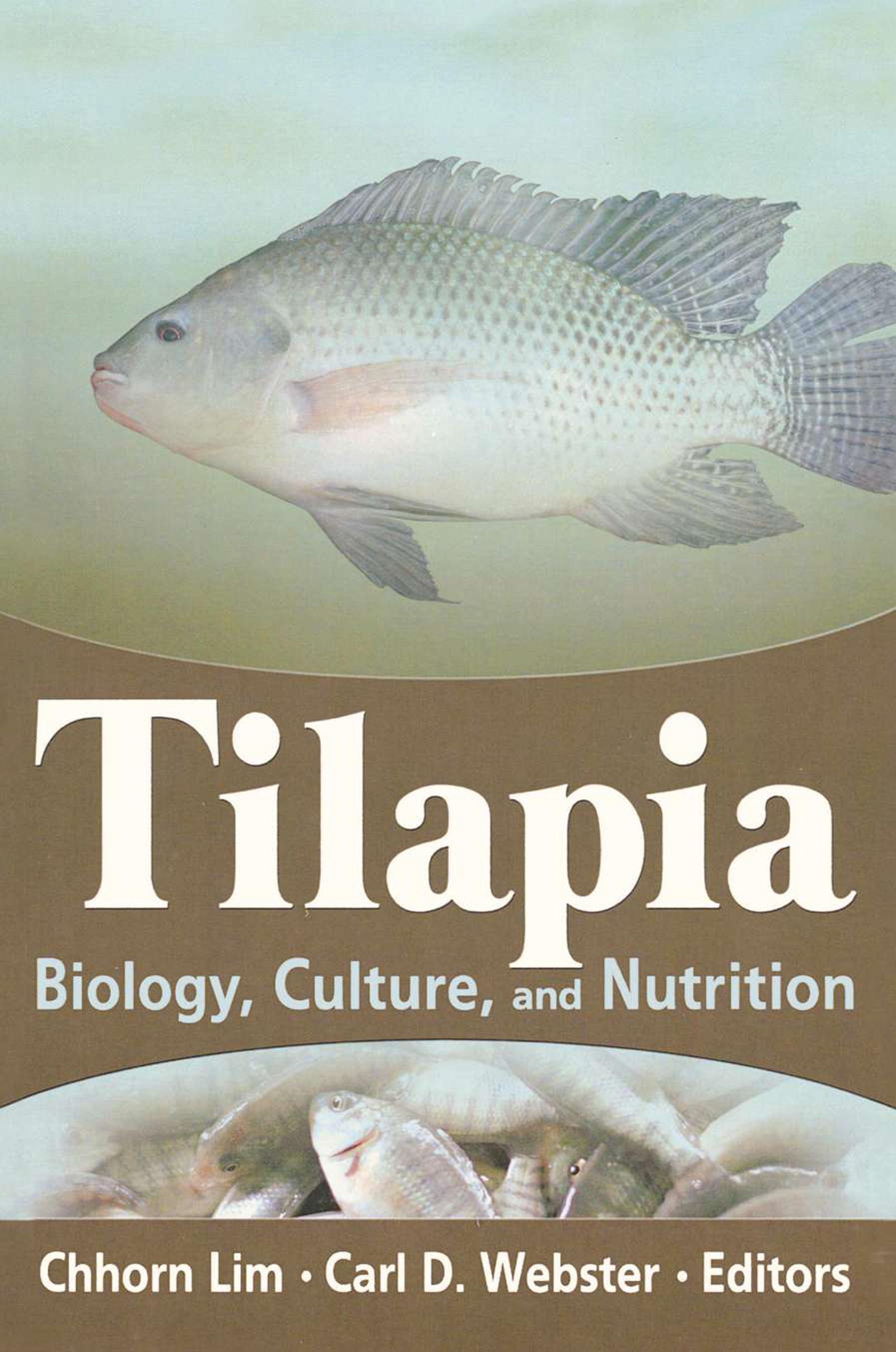
Learn to maximize tilapia production in different areas around the world
Tilapia is the second-most cultured fish species in the world, and its production is increasing each year. However, for several reasons profit margins remain slim. Tilapia: Biology, Culture, and Nutrition presents respected international experts detailing every aspect of tilapia production around the world. Biology, breeding and larval rearing, farming techniques, feeding issues, post-harvest technology, and industry economics are clearly presented. This concise yet extensive reference provides the latest research and practical information to efficiently and economically maximize production in diverse locales, conditions, and climates.
Tilapia: Biology, Culture, and Nutrition comprehensively explores all types of tilapia with a detailed biologic description of the fish that takes readers from egg through harvesting. The book authoritatively discusses production issues such as feed nutrition, temperature, water quality, parasites, and disease control to guide readers on how to best encourage fast, efficient growth. Economic and marketing information are examined, including industry data and projections by country. Each chapter approaches a specific facet of tilapia and provides the most up-to-date research available in that area. This resource gives the most current, detailed information needed for effective tilapia farming in one compact economical volume. Extensively referenced with an abundance of clear, helpful tables, photographs, and figures.
Tilapia: Biology, Culture, and Nutrition discusses in detail:
- complete biology, including sex ratios, optimum temperatures for growth and spawning, water quality parameters, and disease tolerance
- industry predictions
- hormonal control of growth
- genetic improvement
- sex determination, manipulation, and control
- seed production
- culture practices
- earthen and lined pond production
- culture in flowing water
- cage culture
- feed formulation and processing, and feeding management
- soil, water, and effluent quality
- saline tolerance levels with optimum rate of acclimation to seawater
- polyculture of tilapia with shrimp
- bottom soil conditions
- nutrient requirements with non-nutrient components
- parasites and diseases
Tilapia: Biology, Culture, and Nutrition is essential reading for aquaculturists, nutritionists, geneticists, hatchery managers, feed formulators, feed mill operators, extension specialists, tilapia growers, fish farmers/producers, educators, disease specialists, aquaculture veterinarians, policy makers, educators, and students.
Paga fácilmente con tarjeta, Klarna, Apple Pay o Google Pay. ¿No estás contento? Siempre tienes 14 días de garantía de devolución. Lee más en nuestros términos. Si tienes preguntas, escríbenos a hello@memmo.org.
Memmo hace que estudiar sea más fácil, estés donde estés. Aquí tienes tus libros de texto y herramientas de estudio inteligentes en un solo lugar: resúmenes, quizzes, podcasts y flashcards. Y también a Ted, tu compañero de estudio que responde a todo lo que te preguntes. Más de 50 000 estudiantes ya estudian aquí. Está hecho para que aprendas más rápido y te estreses menos.