
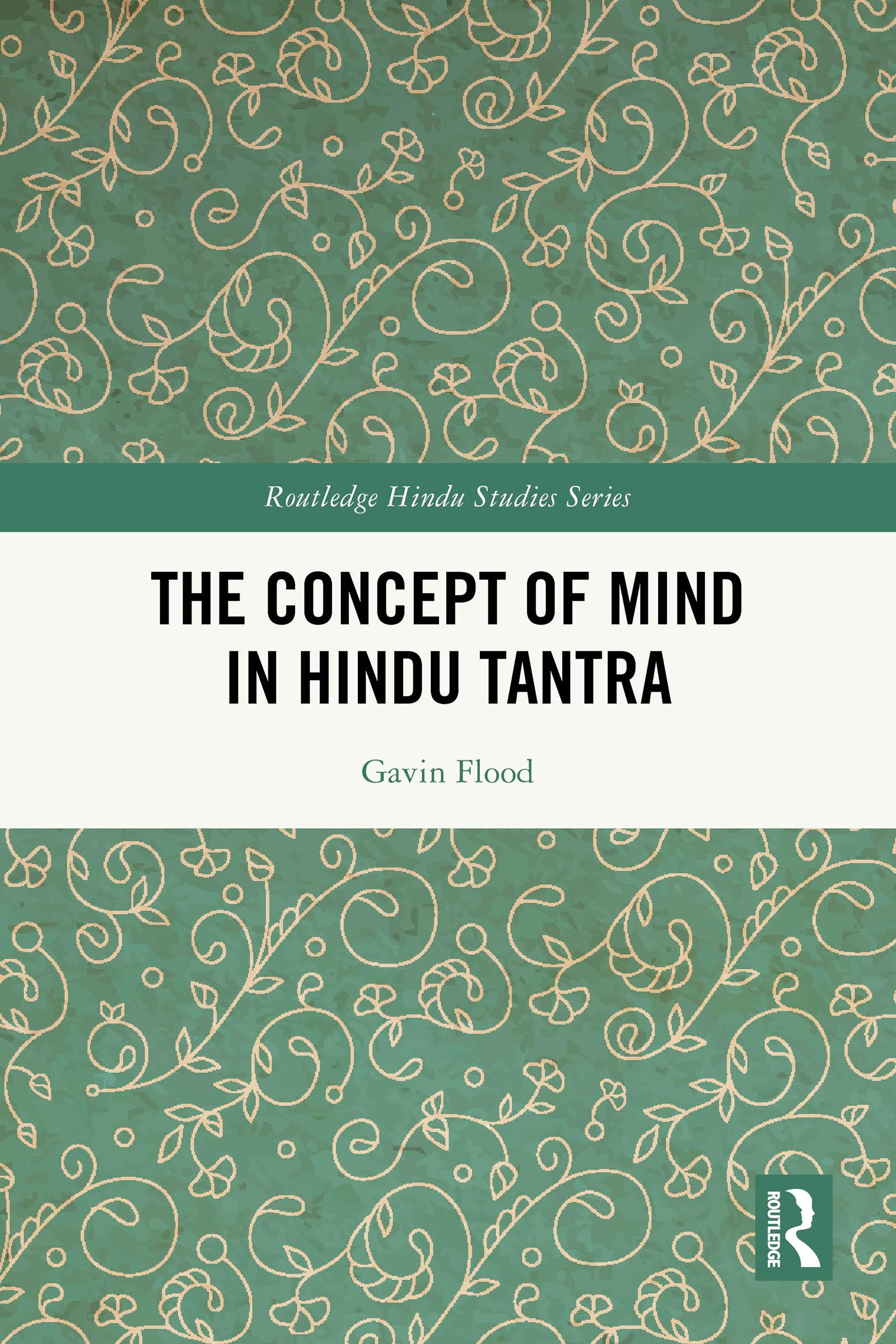
This book presents an account of the concept of mind in Hindu Tantra through a study of religious and philosophical texts in the medieval period.
Offering an understanding on how the mind is conceptualized both as that which keeps a person bound to the cycle of reincarnation and as having transformative potential in allowing a person to achieve liberation or salvation, this book examines mostly previously untranslated sources. It shows how there are different understandings of the mind that relate to different ideas of redemption. The main tantric tradition, the Śaiva Siddhānta, adopts a model of mind from Yoga in which the wandering mind keeps us trapped, whereas the nondualist Śaiva tradition, sometimes called ‘Kashmir’ Śaivism, sees the mind as inherently pure and free. The book traces a history of the concept of mind from early sources, especially Buddhism, through to the tantric medieval period, and ending with the eighteenth century. The author shows how the concept changes and what is retained. A comparison of the tantric ideas of mind with those of some European philosophy – notably Descartes’ dualism and German idealism’s non-dualism – sharpens the concept of mind in the tantric tradition.
A historical and philosophical study of key ideas in the tantric traditions, this book will be of interest to researchers in the field of Religious Studies, Asian Religion, Hindu Studies, Indian philosophy, and comparative philosophy.
Paga fácilmente con tarjeta, Klarna, Apple Pay o Google Pay. ¿No estás contento? Siempre tienes 14 días de garantía de devolución. Lee más en nuestros términos. Si tienes preguntas, escríbenos a hello@memmo.org.
Memmo hace que estudiar sea más fácil, estés donde estés. Aquí tienes tus libros de texto y herramientas de estudio inteligentes en un solo lugar: resúmenes, quizzes, podcasts y flashcards. Y también a Ted, tu compañero de estudio que responde a todo lo que te preguntes. Más de 50 000 estudiantes ya estudian aquí. Está hecho para que aprendas más rápido y te estreses menos.