
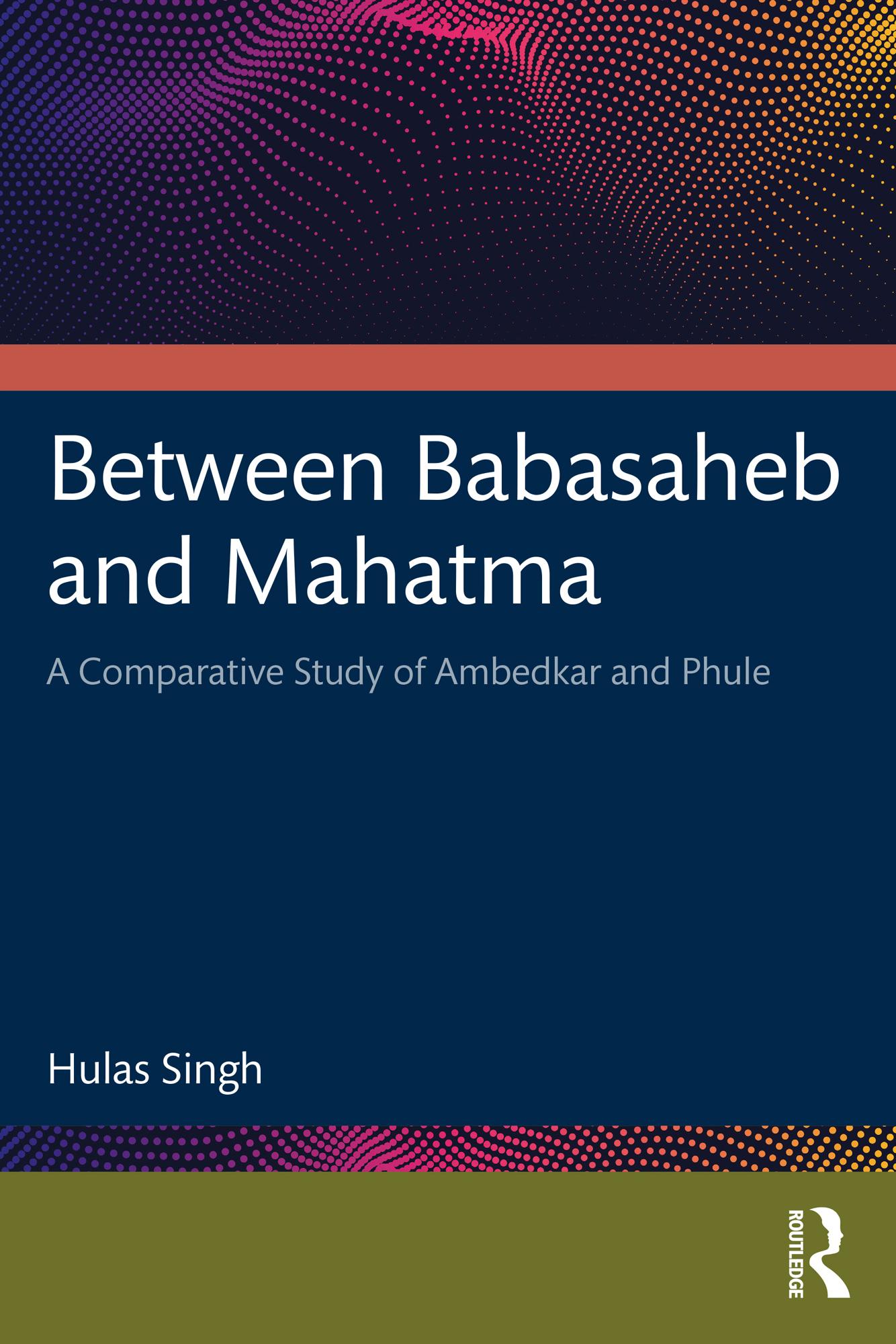
This book is a critical comparative study of Jotirao Phule and Bhimrao Ramji Ambedkar, modern India's two most prominent dalit leaders. Although they were not close contemporaries, they came to construct a firm structure of not only dalit ideology, but also dalit methodology to emancipate the oppressed and depressed sections of society. The book deals with their ideas in a new light highlighting aspects of convergence and contrast in their respective approach to philosophy, religion, society, and culture. It argues that deep down in his philosophic orientation, Phule was quintessentially closer to Gandhi than to Ambedkar. The author also contends that the usage of the term dalit exclusively in the caste-communitarian sense is essentially a product of post-independence political appropriation rather than social evolution. The book specifically brings to light the dynamics of humanism and nationalism on the one hand and that of communitarianism on the other in the context of twentieth-century colonial India. Notably, Gandhi is brought in the narrative to complete the triumvirate.
Comprehensive and deeply grounded in primary research, this thought-provoking book will be indispensable for students and researchers of modern Indian history, sociology, political science, political thought, exclusion studies, dalit and subaltern studies, and South Asian studies. It will also appeal to those interested in the writings of Ambedkar and Phule.
Paga fácilmente con tarjeta, Klarna, Apple Pay o Google Pay. ¿No estás contento? Siempre tienes 14 días de garantía de devolución. Lee más en nuestros términos. Si tienes preguntas, escríbenos a hello@memmo.org.
Memmo hace que estudiar sea más fácil, estés donde estés. Aquí tienes tus libros de texto y herramientas de estudio inteligentes en un solo lugar: resúmenes, quizzes, podcasts y flashcards. Y también a Ted, tu compañero de estudio que responde a todo lo que te preguntes. Más de 50 000 estudiantes ya estudian aquí. Está hecho para que aprendas más rápido y te estreses menos.