
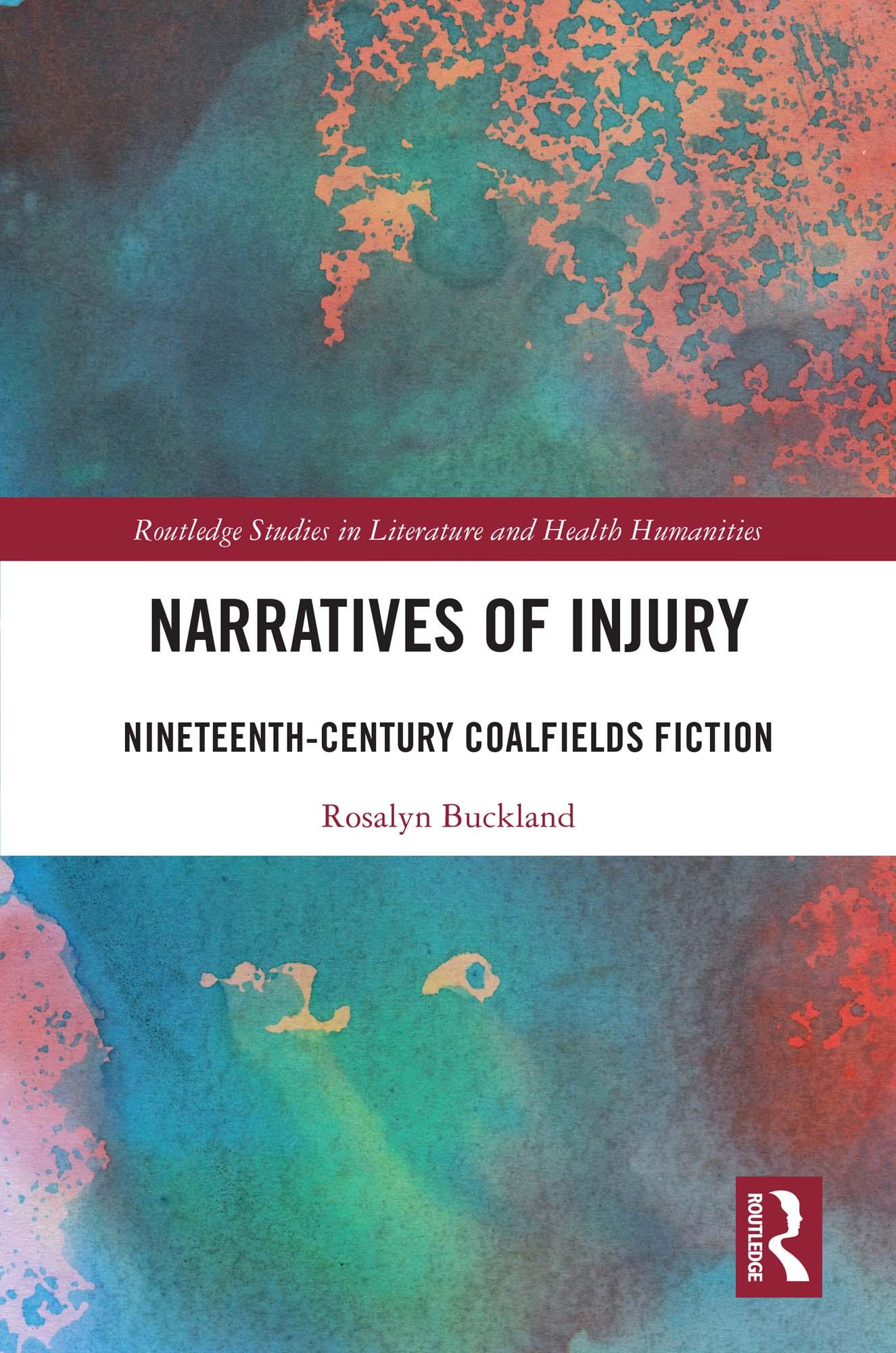
Narratives of Injury redescribes the history of injury from the perspective of those most at risk, rather than medical professionals and other outsiders. Refocusing on the first-hand perspectives found in literary texts and journalistic accounts, it uncovers a self-conscious tradition of mining stories running through nineteenth-century writing. The book examines both non-canonical authors and famous novelists, including Charles Dickens, Joseph Skipsey, G. A Henty, E. H. Burnett, George Eliot, Edward Tirebuck, H.G. Wells and D. H. Lawrence. Their narratives revise our understanding both of injury and of the radical potential of fiction. Sudden physical injuries have often been configured as fundamentally unknowable by the victims themselves, particularly in studies of nineteenth-century literature and culture. Likewise, narratives of psychological trauma have been largely understood, in Cathy Caruth's words, as the 'attempt to master what was never fully grasped in the first place.' Such readings privilege the reader as a necessary interpreter of physical or psychological injury. By contrast, Narratives of Injury reasserts the significance of patients' own experiences, choices and actions.
Paga fácilmente con tarjeta, Klarna, Apple Pay o Google Pay. ¿No estás contento? Siempre tienes 14 días de garantía de devolución. Lee más en nuestros términos. Si tienes preguntas, escríbenos a hello@memmo.org.
Memmo hace que estudiar sea más fácil, estés donde estés. Aquí tienes tus libros de texto y herramientas de estudio inteligentes en un solo lugar: resúmenes, quizzes, podcasts y flashcards. Y también a Ted, tu compañero de estudio que responde a todo lo que te preguntes. Más de 50 000 estudiantes ya estudian aquí. Está hecho para que aprendas más rápido y te estreses menos.