
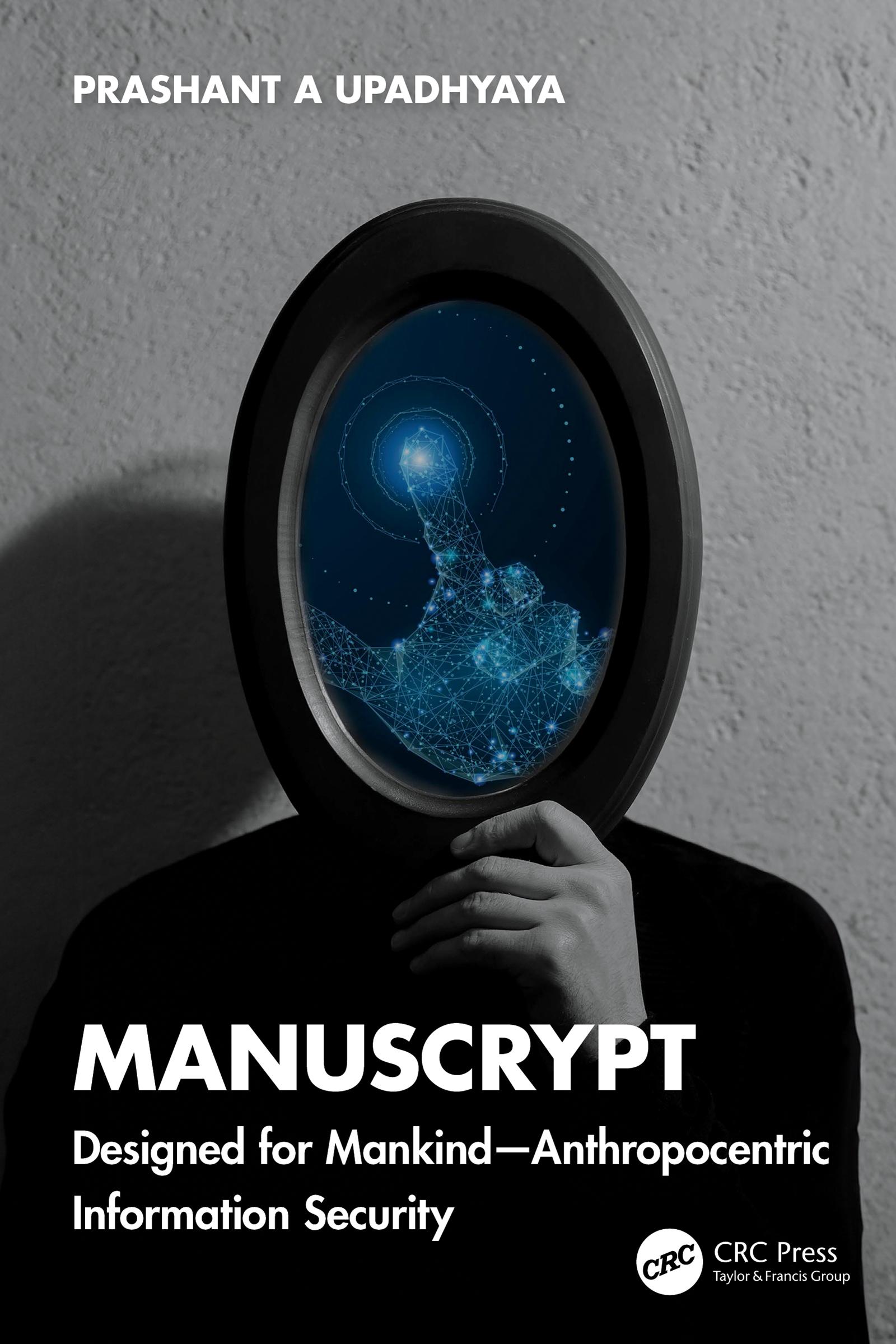
Information security primarily serves these six distinct purposes—authentication, authorization, prevention of data theft, sensitive data safety / privacy, data protection / integrity, non-repudiation. The entire gamut of infosec rests upon cryptography. The author begins as a protagonist to explain that modern cryptography is more suited for machines rather than humans. This is explained through a brief history of ciphers and their evolution into cryptography and its various forms.
The premise is further reinforced by a critical assessment of algorithm-based modern cryptography in the age of emerging technologies like artificial intelligence and blockchain. With simple and lucid examples, the author demonstrates that the hypothetical "man versus machine" scenario is not by chance, but by design. The book doesn’t end here like most others that wind up with a sermon on ethics and eventual merging of humans with technology (i.e., singularity).
A very much practicable solution has been presented with a real-world use-case scenario, wherein infosec is designed around the needs, biases, flaws and skills of humans. This innovative approach, as trivial as it may seem to some, has the power to bring about a paradigm shift in the overall strategy of information technology that can change our world for the better.
Paga fácilmente con tarjeta, Klarna, Apple Pay o Google Pay. ¿No estás contento? Siempre tienes 14 días de garantía de devolución. Lee más en nuestros términos. Si tienes preguntas, escríbenos a hello@memmo.org.
Memmo hace que estudiar sea más fácil, estés donde estés. Aquí tienes tus libros de texto y herramientas de estudio inteligentes en un solo lugar: resúmenes, quizzes, podcasts y flashcards. Y también a Ted, tu compañero de estudio que responde a todo lo que te preguntes. Más de 50 000 estudiantes ya estudian aquí. Está hecho para que aprendas más rápido y te estreses menos.