
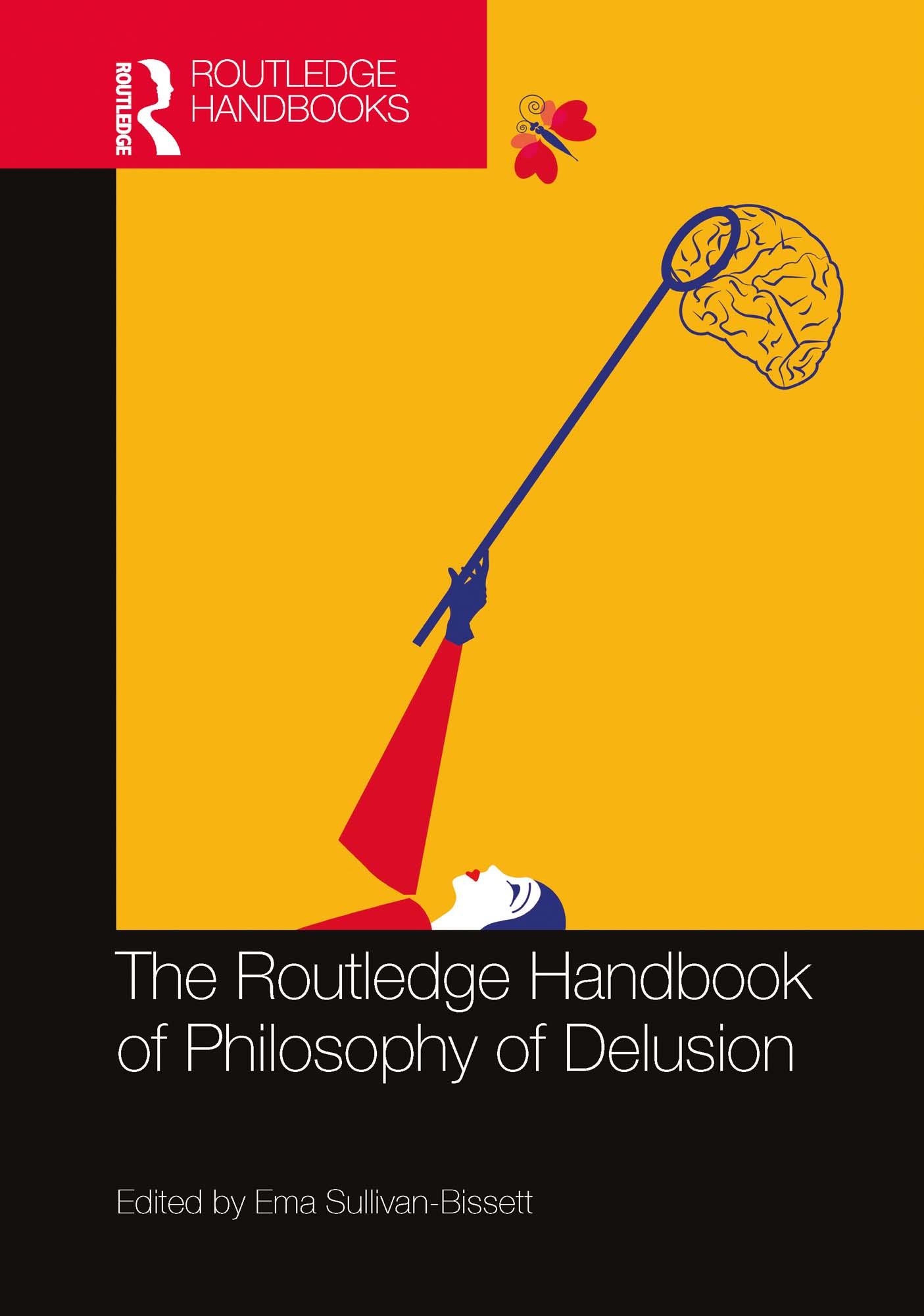
Delusions play an important and fascinating role in philosophy and are a particularly fertile area of study in recent years, spanning philosophy of mind and psychology, epistemology, ethics, psychology, psychiatry, and cognitive science. The Routledge Handbook of Philosophy of Delusion explores the conceptual and philosophical issues in the study of delusion and is the first major reference source of its kind.
Comprising 38 chapters by an international team of contributors, the Handbook is divided into six clear parts:
- The Nature of Delusion
- Delusion in Disorders
- Epistemology of Delusion
- Delusion’s Place in the Mind
- Delusion Formation
- Responsibility, Culture, and Society.
Within these sections, key topics are discussed including delusions and wellbeing, delusions as they occur in wider mental disorder, the epistemic profile of delusions (evidence, justification, rationality), how delusions are formed, delusions and folk psychology (how they relate to belief, self-deception, imagination, and so on), and delusions in the wider social and cultural context.
An outstanding resource for both students and researchers, The Routledge Handbook of Philosophy of Delusion is essential reading for those working on delusion in philosophy departments, and also suitable for those in related disciplines such as psychology, psychiatry, and cognitive science.
Paga fácilmente con tarjeta, Klarna, Apple Pay o Google Pay. ¿No estás contento? Siempre tienes 14 días de garantía de devolución. Lee más en nuestros términos. Si tienes preguntas, escríbenos a hello@memmo.org.
Memmo hace que estudiar sea más fácil, estés donde estés. Aquí tienes tus libros de texto y herramientas de estudio inteligentes en un solo lugar: resúmenes, quizzes, podcasts y flashcards. Y también a Ted, tu compañero de estudio que responde a todo lo que te preguntes. Más de 50 000 estudiantes ya estudian aquí. Está hecho para que aprendas más rápido y te estreses menos.