
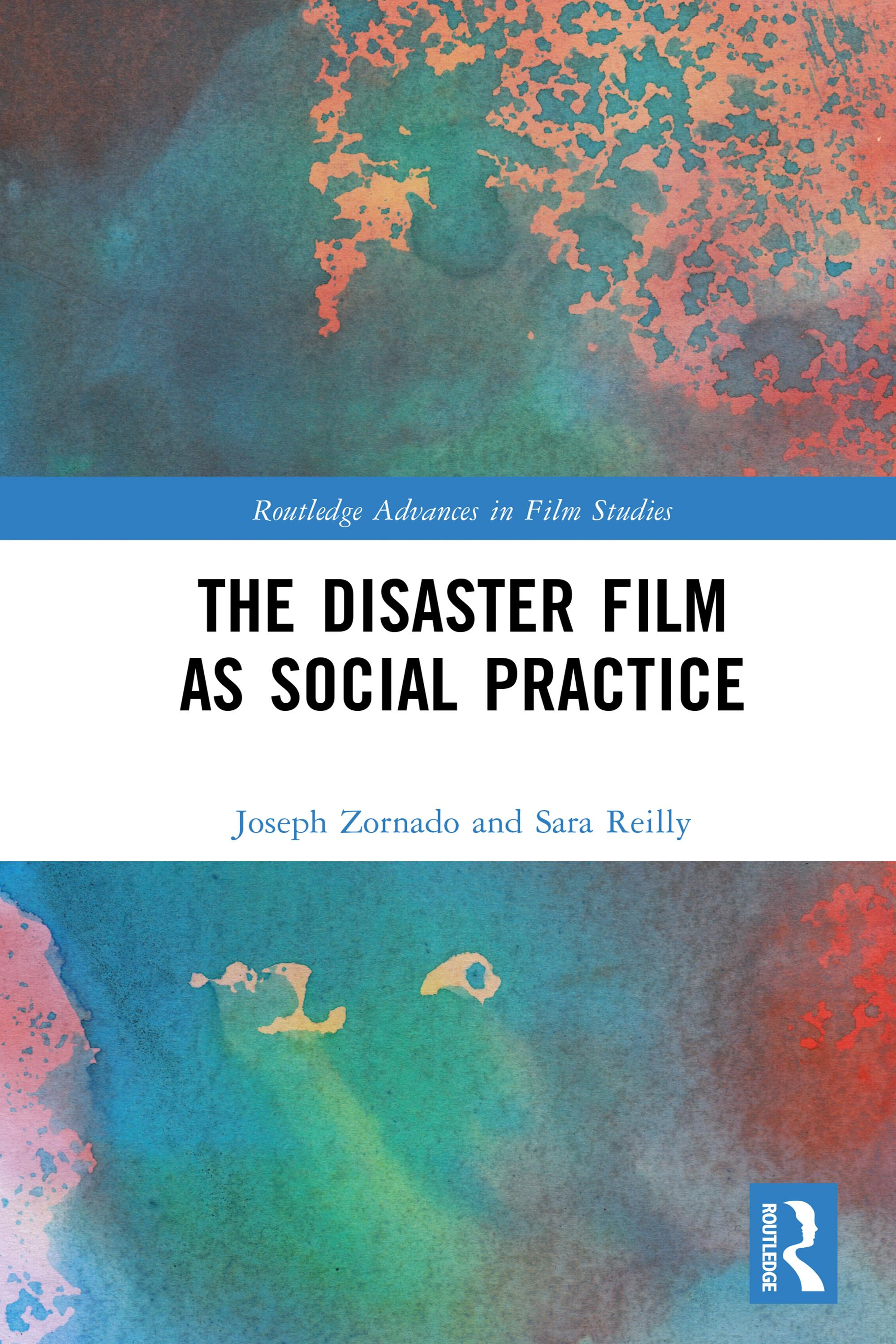
Surveying disaster films from a Lacanian psychoanalytic perspective, this book explores the disaster film genre from its initial appearance in 1933 (The Grapes of Wrath, 1933) to its present-day form (Don’t Look Up!, 2021), laying bare the ideological unconscious at work within the genre.
The Disaster Film as Social Practice examines environmental science, history, film and literature in its interdisciplinary analysis of the disaster film genre. It explores the interplay, and the dichotomy, of “restorative” and “reflective” disaster narratives. An analysis of cinema's role in symbolizing and managing collective anxiety around disaster and death narratives examines how disaster films, through their narrative structures and symbolic elements, contribute to the public's understanding and emotional processing of real-world threats, and how cinematic narratives shape and are shaped by public and private ideological discourses, reflecting deeper psychological and environmental truths. Finally, the book offers an overview of how the transformation of the disaster film genre over time tells a history through imagining the worst.
Providing a nuanced understanding of the disaster film genre and its significance in contemporary culture and thought, this book will be of interest to scholars and students of film studies, cultural studies, media studies, and environmental studies.
Paga fácilmente con tarjeta, Klarna, Apple Pay o Google Pay. ¿No estás contento? Siempre tienes 14 días de garantía de devolución. Lee más en nuestros términos. Si tienes preguntas, escríbenos a hello@memmo.org.
Memmo hace que estudiar sea más fácil, estés donde estés. Aquí tienes tus libros de texto y herramientas de estudio inteligentes en un solo lugar: resúmenes, quizzes, podcasts y flashcards. Y también a Ted, tu compañero de estudio que responde a todo lo que te preguntes. Más de 50 000 estudiantes ya estudian aquí. Está hecho para que aprendas más rápido y te estreses menos.