
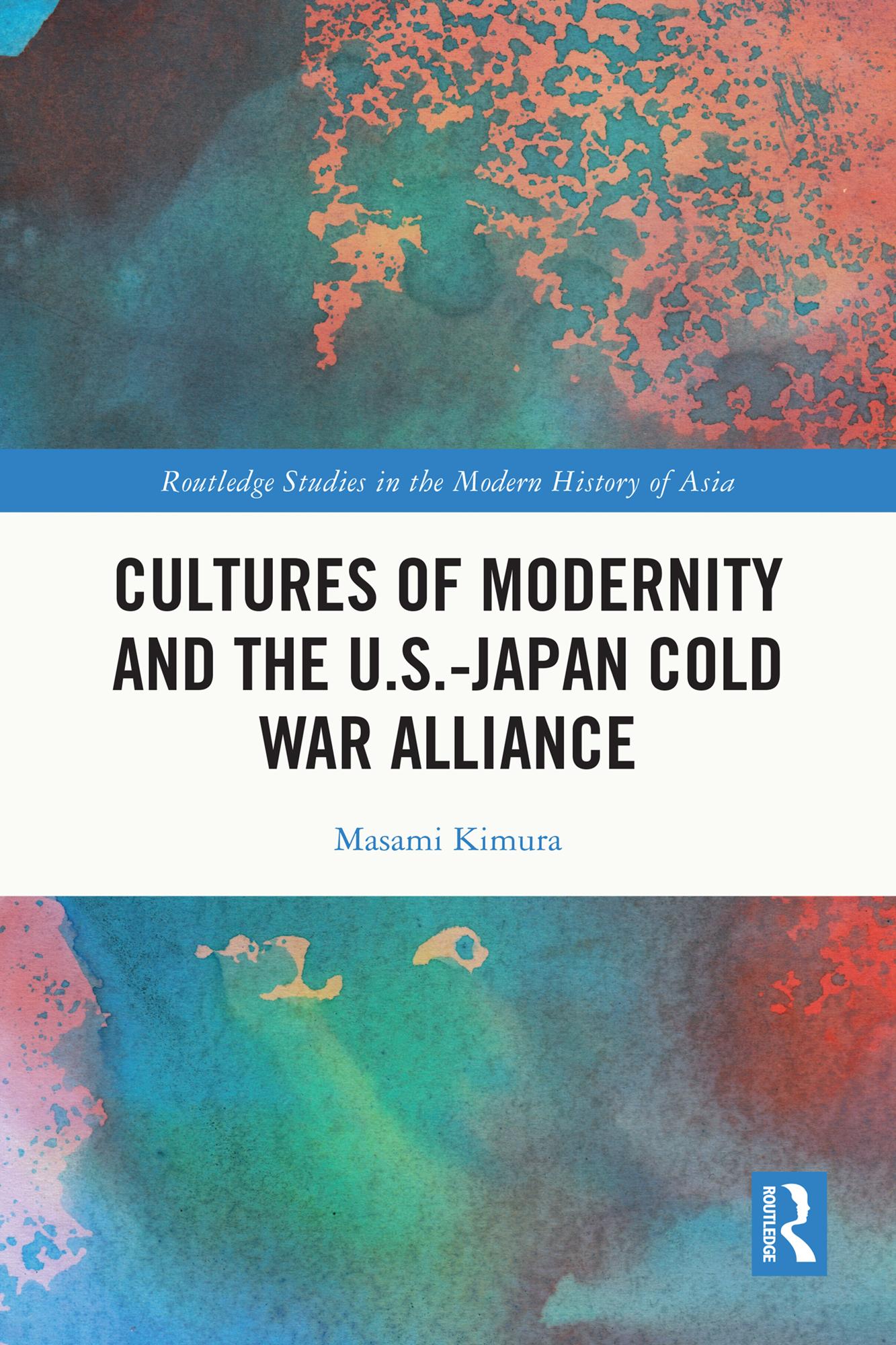
Cultures of Modernity and the U.S.-Japan Cold War Alliance reconsiders the origins of postwar U.S.-Japan relations by focusing on “modernization” ideologies that the Americans and the Japanese shared in the 1940s–early 1950s. Mobilizing a wealth of English and Japanese-language sources, the author identifies parallel groups of modernist thinkers in America and Japan – including politicians, bureaucrats, intellectuals, scholars, and journalists – and follows how different strands of thought played out within an evolving political environment, forming a “middle ground.” Despite their differences, both the Americans and the Japanese believed in the progressive view of history, considered Japan to be still underdeveloped, and therefore agreed on the advisability of democratizing Japan – which included constitutional reform. Whether proponents or opponents of the U.S.-Japan Cold War alliance system, they also shared the vision of Wilsonian internationalism and devised similar designs for a postwar Asian order where Japan would rejoin. Thus, by showing how the confluence of modernist cultures helped forge a postwar relationship between the two, this study contributes to the field of postwar U.S.-Japan relations by supplementing and reorienting the scope of scholarship, one that has been predominantly America-centered and framed along the line of diplomatic narratives informed by Cold War politics.
Paga fácilmente con tarjeta, Klarna, Apple Pay o Google Pay. ¿No estás contento? Siempre tienes 14 días de garantía de devolución. Lee más en nuestros términos. Si tienes preguntas, escríbenos a hello@memmo.org.
Memmo hace que estudiar sea más fácil, estés donde estés. Aquí tienes tus libros de texto y herramientas de estudio inteligentes en un solo lugar: resúmenes, quizzes, podcasts y flashcards. Y también a Ted, tu compañero de estudio que responde a todo lo que te preguntes. Más de 50 000 estudiantes ya estudian aquí. Está hecho para que aprendas más rápido y te estreses menos.