
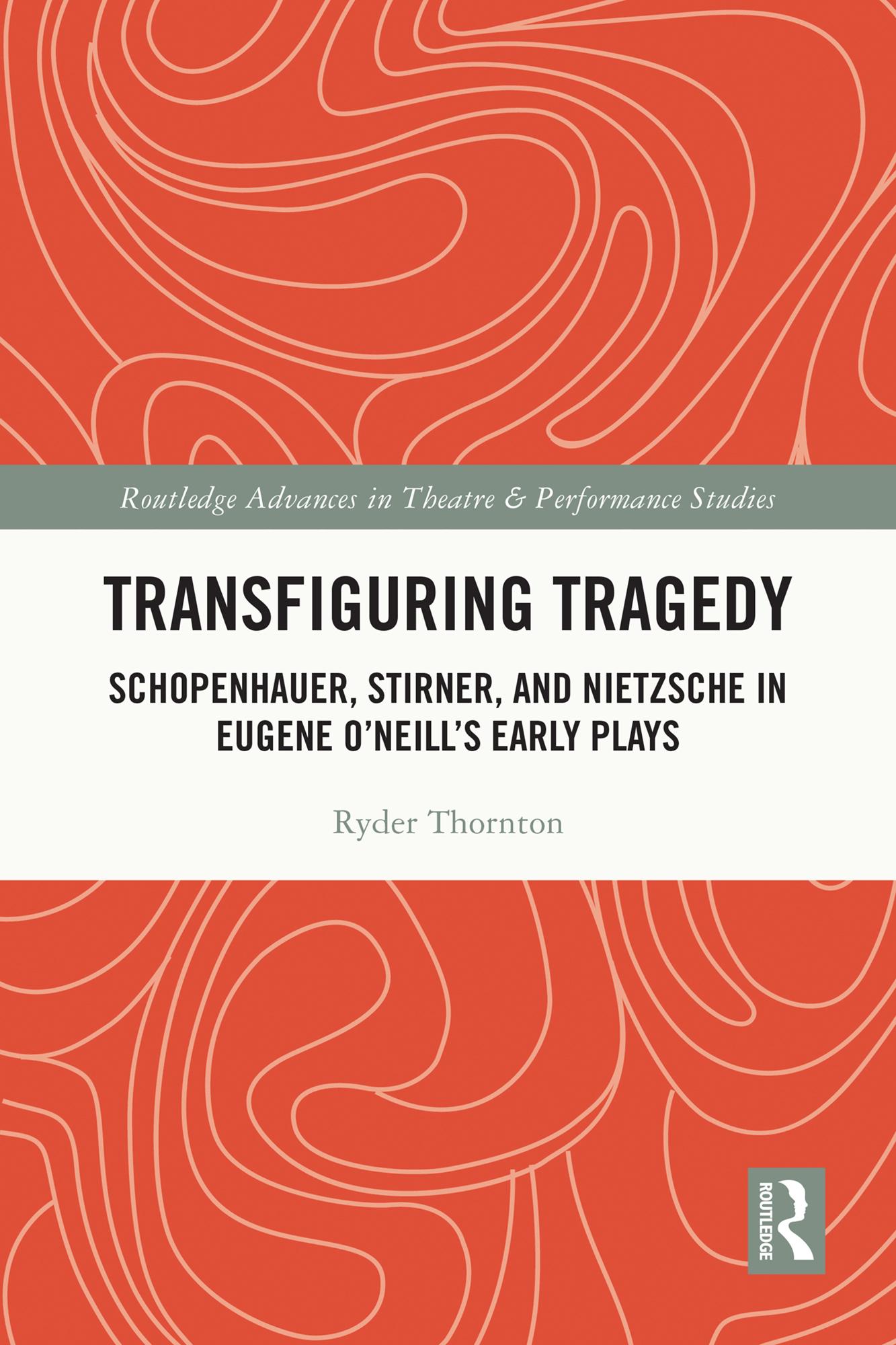
This book demonstrates Eugene O’Neill’s use of philosophy in the early period of his work and provides analyses of selected works from that era, concluding with The Hairy Ape, completed in 1921, as an illustration of the mastery he had achieved in dramatizing key concepts of philosophy.
Analyses of one-act and full-length plays from 1913 to 1921 reveal the influence of the three philosophers and establish that O’Neill was fundamentally a philosophic playwright, even from his earliest dramatic sketches. Specific concepts from Schopenhauer, Stirner, and Nietzsche went into O’Neill’s shaping of character arcs, dramatic circumstances, symbology, and theme. Among them are Schopenhauer’s concept of will and representation, Stirner’s notion of possession, and Nietzsche’s principle of the Apollonian–Dionysian duality. These ideas were foundational to O’Neill’s construction of tragic irony apparent in his early period plays. The critical concepts of these three philosophers are the major pathways in this study. However, such an approach inevitably reveals other layers of spiritual influence, such as Catholicism and Eastern philosophy, which are touched on in these analyses.
This book is a much-needed introduction to philosophic concepts in Eugene O’Neill’s early work and would be of great interest to students and scholars in theatre studies and philosophy.
Paga fácilmente con tarjeta, Klarna, Apple Pay o Google Pay. ¿No estás contento? Siempre tienes 14 días de garantía de devolución. Lee más en nuestros términos. Si tienes preguntas, escríbenos a hello@memmo.org.
Memmo hace que estudiar sea más fácil, estés donde estés. Aquí tienes tus libros de texto y herramientas de estudio inteligentes en un solo lugar: resúmenes, quizzes, podcasts y flashcards. Y también a Ted, tu compañero de estudio que responde a todo lo que te preguntes. Más de 50 000 estudiantes ya estudian aquí. Está hecho para que aprendas más rápido y te estreses menos.