
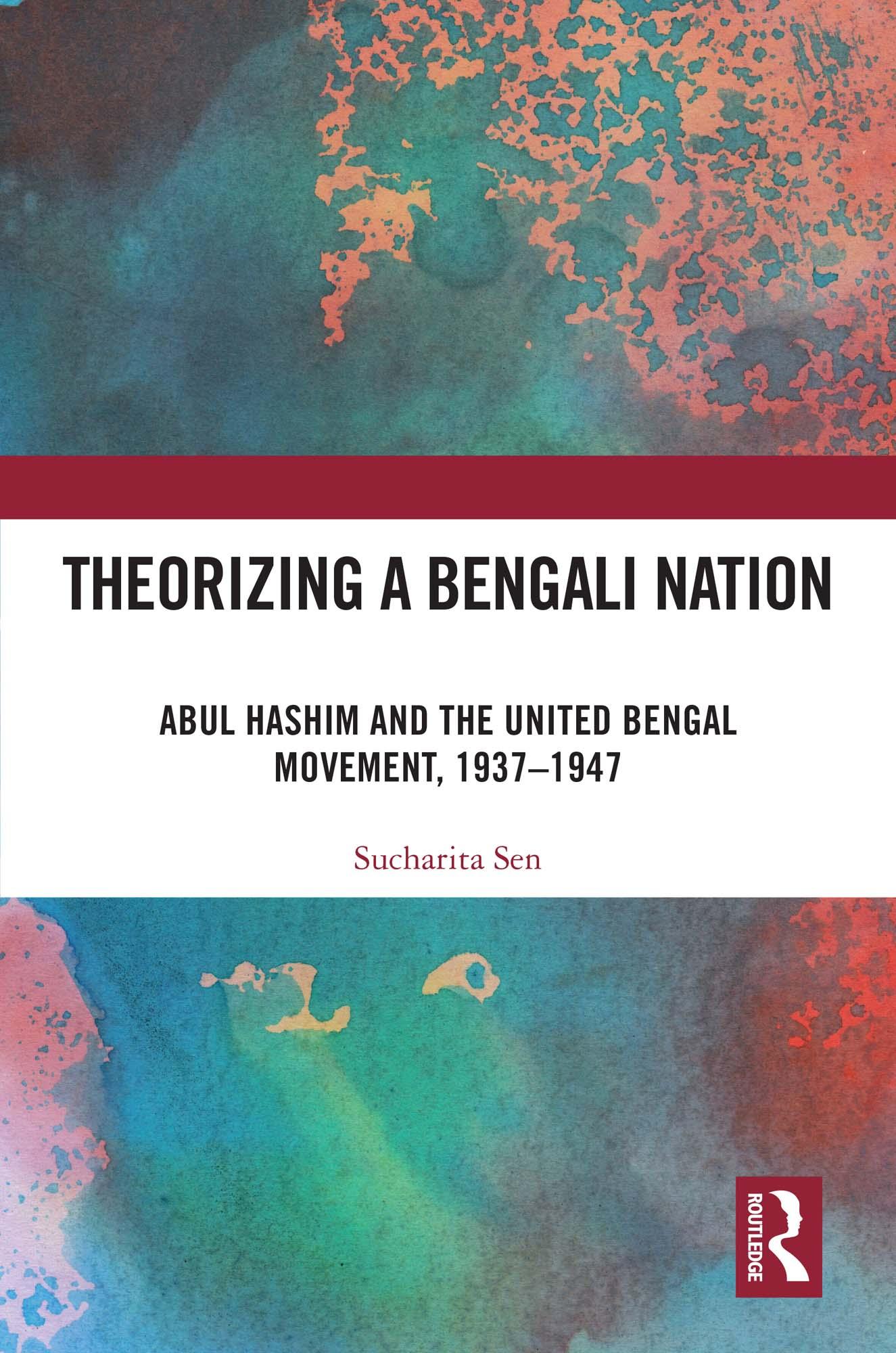
This book explores the philosophical and political roots of the United Bengal movement of 1947 that emerged as a final bid to keep the province united against Partition. Through Abul Hashim, one of its architects, it explores the idea of an independent Bengali nation in the years preceding Independence and examines the underlying tensions of the concept of a Muslim-led independent Bangalistaan and its repercussions on a sizeable Hindu minority. Focusing on Hashim’s writings and political contributions, this monograph highlights his vision of an aesthetic identity rooted within religious principles as well as civic ideals in a new united Bengal, where common law underwritten through religious ideals did not need to be necessarily opposed to western discourses of a modern state.
A major, new intervention, this book will be of great interest to scholars and researchers of modern Indian history, especially the Partition, politics, and South Asian studies.
Paga fácilmente con tarjeta, Klarna, Apple Pay o Google Pay. ¿No estás contento? Siempre tienes 14 días de garantía de devolución. Lee más en nuestros términos. Si tienes preguntas, escríbenos a hello@memmo.org.
Memmo hace que estudiar sea más fácil, estés donde estés. Aquí tienes tus libros de texto y herramientas de estudio inteligentes en un solo lugar: resúmenes, quizzes, podcasts y flashcards. Y también a Ted, tu compañero de estudio que responde a todo lo que te preguntes. Más de 50 000 estudiantes ya estudian aquí. Está hecho para que aprendas más rápido y te estreses menos.