
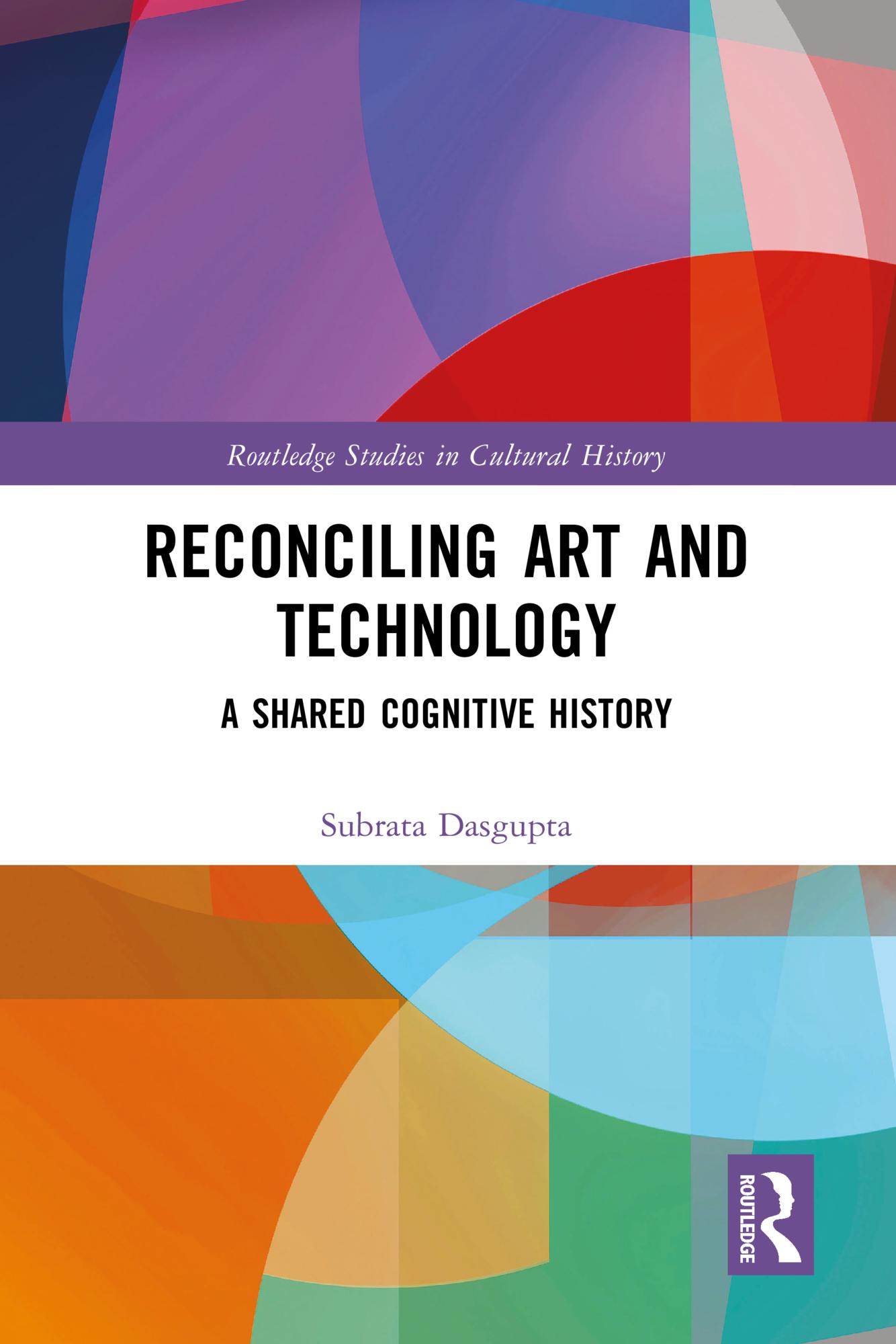
This book examines two venerable cultures, art and technology, and uses the young "interdiscipline" of cognitive history combined with case studies of both ancient and modern artifacts to explore, and unveil, some of the bridges by which this reconciliation of two seemingly distant and oppositional cultures can be effected.
Art and technology are commonly regarded as oppositional. While both are concerned with made things – artifacts – and both have their origins in pre-literate antiquity, the primary purposes they are intended for are quite distinct: the artifacts of technology serve utilitarian purposes while those of art serve affective needs. This opposition between art and technology, notably argued by such scholars as Lewis Mumford and George Kubler is challenged in this book. For, when we consider art and technology as creative phenomena, then many significant, interesting, and often subtle commonalities emerge whereby a reconciliation – a unity – of these two great cultures seems possible. This book utilizes case studies of both ancient and modern artifacts – ranging from the Nataraja sculpture of ancient India, a great astronomical clock of ancient China, and Japanese Samurai swordmaking, through Gothic cathedrals and Renaissance paintings of Europe to English Elizabethan machinery to the French Impressionists to modernist concrete structures and paintings in both East and West.
This book will be of interest to students and professional scholars interested in the histories of art and technology, cultural history, and creativity studies.
Paga fácilmente con tarjeta, Klarna, Apple Pay o Google Pay. ¿No estás contento? Siempre tienes 14 días de garantía de devolución. Lee más en nuestros términos. Si tienes preguntas, escríbenos a hello@memmo.org.
Memmo hace que estudiar sea más fácil, estés donde estés. Aquí tienes tus libros de texto y herramientas de estudio inteligentes en un solo lugar: resúmenes, quizzes, podcasts y flashcards. Y también a Ted, tu compañero de estudio que responde a todo lo que te preguntes. Más de 50 000 estudiantes ya estudian aquí. Está hecho para que aprendas más rápido y te estreses menos.