
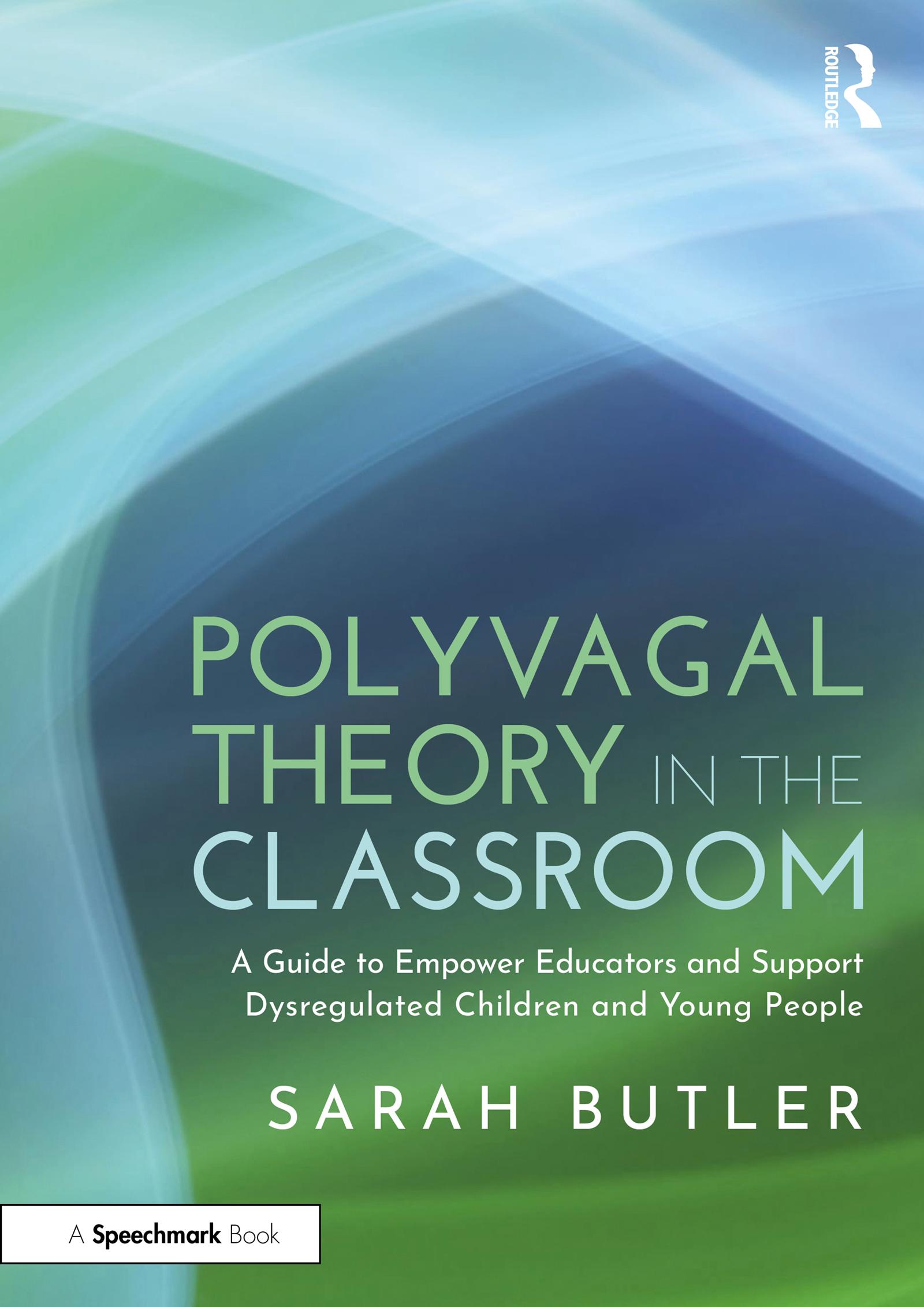
Polyvagal Theory provides a breakdown of how the nervous system responds and reacts to unconscious messages of safety and threat. This accessible guide explores Polyvagal Theory and its potential for fully understanding and supporting the behaviours of children and young people in emotional distress at school.
By exploring how early childhood experiences - such as abuse, trauma, an insecure attachment, or bereavement - can have a detrimental impact on the development of the child’s nervous system, we can view their behaviours in a new light.
Polyvagal Theory in the Classroom:
- Contains a wealth of activities to use in the classroom
- Delves into new understandings of what is happening to children and young people when they become dysregulated
- Introduces practical ways to support pupils' emotional wellbeing, promote better mental health, and help to develop their capacity to self-regulate
- Contains exercises which provide opportunities for the reader to reflect on their own practice.
Packed full of case studies to bring theory to life, this book builds skills to gain awareness and control of our own nervous systems and to become the safe and calm presence for the overwhelmed child. This empowering book is essential reading for mainstream primary and secondary teachers, SENCOs and teaching support staff.
Paga fácilmente con tarjeta, Klarna, Apple Pay o Google Pay. ¿No estás contento? Siempre tienes 14 días de garantía de devolución. Lee más en nuestros términos. Si tienes preguntas, escríbenos a hello@memmo.org.
Memmo hace que estudiar sea más fácil, estés donde estés. Aquí tienes tus libros de texto y herramientas de estudio inteligentes en un solo lugar: resúmenes, quizzes, podcasts y flashcards. Y también a Ted, tu compañero de estudio que responde a todo lo que te preguntes. Más de 50 000 estudiantes ya estudian aquí. Está hecho para que aprendas más rápido y te estreses menos.