
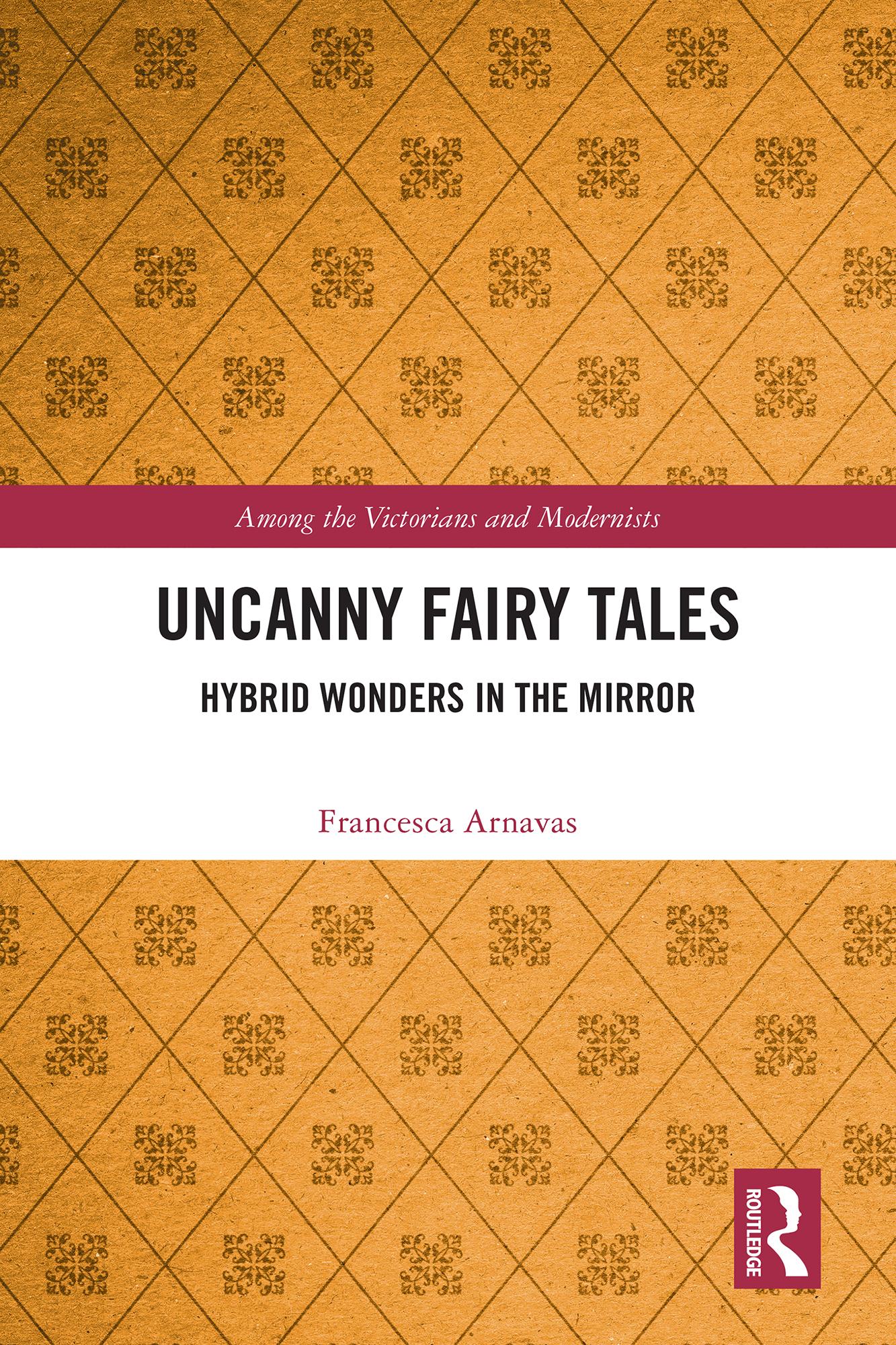
There are fairy tales that surprise, destabilise, or even shock us: these are uncanny fairy tales that manipulate familiar stories in creative and bewildering ways in order to express new meanings. This work analyses these tales, basing its approach on a reformulation of Freud’s concept of the uncanny. Through a cognitive outlook the employed theoretical framework provides new perspectives on the study of experimental literary fairy tales. Considering English-language literature, complex and unsettling reinterpretations of the fairy-tale discourse began to appear during the Victorian Age, later resurfacing as a postmodern trend. This research individuates uncanny-related narrative techniques and cognitive responses as means to decodify and explore these tales, and as ways to discover unseen connections between Victorian and postmodern texts. The new theorisation of the uncanny is linked with three subconcepts: mirror, hybridity, and wonder, which function as tools to describe and investigate the cognitive and emotional entanglements characterising enigmatic and disorienting fairy tales.
Paga fácilmente con tarjeta, Klarna, Apple Pay o Google Pay. ¿No estás contento? Siempre tienes 14 días de garantía de devolución. Lee más en nuestros términos. Si tienes preguntas, escríbenos a hello@memmo.org.
Memmo hace que estudiar sea más fácil, estés donde estés. Aquí tienes tus libros de texto y herramientas de estudio inteligentes en un solo lugar: resúmenes, quizzes, podcasts y flashcards. Y también a Ted, tu compañero de estudio que responde a todo lo que te preguntes. Más de 50 000 estudiantes ya estudian aquí. Está hecho para que aprendas más rápido y te estreses menos.