
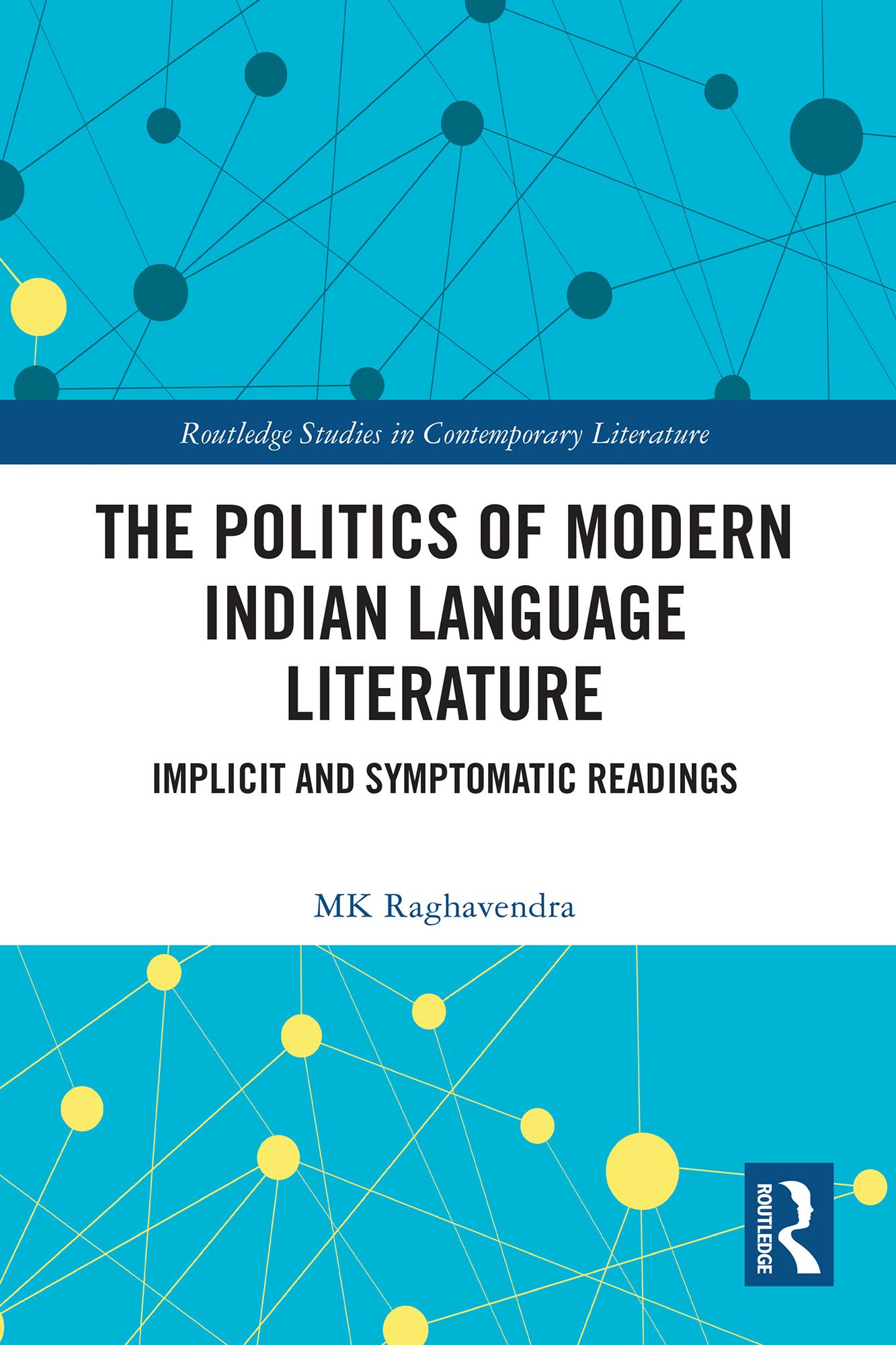
Indian literature is produced in a wealth of languages but there is an asymmetry in the exposure the writing gets, which owes partly to the politics of translation into English. This book represents the first comprehensive political scrutiny of the concerns and attitudes of Indian language literature after 1947 to cover such a wide range, including voices from the cultural margins of the nation like Kashmiri and Manipuri, that of women alongside those of minority and marginalised communities. In examining the politics of the writing especially in relation to concerns like nationhood, caste, tradition and modernity, postcoloniality, gender issues and religious conflict, the book goes beyond the declared ideology of each writer to get at covert significations pointing to widely shared but often unacknowledged biases. The book is deeply analytical but lucid and jargon-free and, to those unfamiliar with the writers, it introduces a new keenness into Indian literary criticism to make its objects exciting.
Paga fácilmente con tarjeta, Klarna, Apple Pay o Google Pay. ¿No estás contento? Siempre tienes 14 días de garantía de devolución. Lee más en nuestros términos. Si tienes preguntas, escríbenos a hello@memmo.org.
Memmo hace que estudiar sea más fácil, estés donde estés. Aquí tienes tus libros de texto y herramientas de estudio inteligentes en un solo lugar: resúmenes, quizzes, podcasts y flashcards. Y también a Ted, tu compañero de estudio que responde a todo lo que te preguntes. Más de 50 000 estudiantes ya estudian aquí. Está hecho para que aprendas más rápido y te estreses menos.