
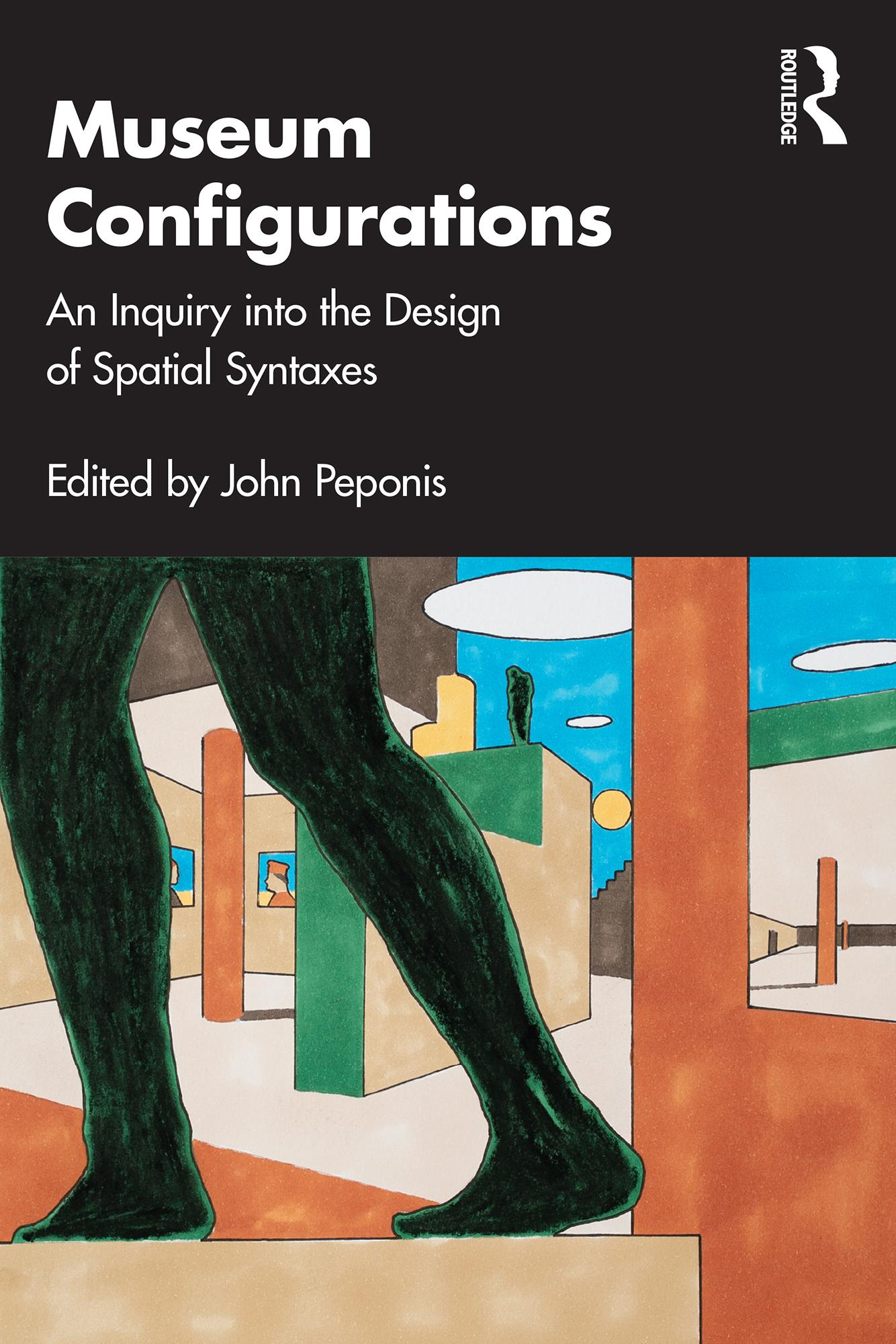
Museum Configurations demonstrates how museum space functions cognitively and communicatively and questions whether it can be designed to provide a rich embodied experience, situating displays and their public in felicitous dialogue.
Including contributions from authors working in the disciplines of architecture, psychology, museum studies, history and the visual arts, this volume addresses an interdisciplinary audience. The analysis of a wealth of examples shows how the voices of architects, curators and exhibition designers enter into dialogue and invite visitors to make their own connections between physical, cognitive and affective space. Considering how the layout of museums facilitates movement and orientation so that visitors may devote their attention to displays, the book questions what kinds of visual attention characterizes museum experiences and how the design of museum space can support them. In the context of an often dematerialized, atomized, and dissipating contemporary culture, the book proposes that museums can function as shared space that supports enjoyment and learning without being overly didactic.
Museum Configurations focuses upon the functions and aims of the design of space. This makes the book particularly interesting to academics and students working in exhibition design and museum architecture, as well as to exhibition designers, curators, and architects.
Paga fácilmente con tarjeta, Klarna, Apple Pay o Google Pay. ¿No estás contento? Siempre tienes 14 días de garantía de devolución. Lee más en nuestros términos. Si tienes preguntas, escríbenos a hello@memmo.org.
Memmo hace que estudiar sea más fácil, estés donde estés. Aquí tienes tus libros de texto y herramientas de estudio inteligentes en un solo lugar: resúmenes, quizzes, podcasts y flashcards. Y también a Ted, tu compañero de estudio que responde a todo lo que te preguntes. Más de 50 000 estudiantes ya estudian aquí. Está hecho para que aprendas más rápido y te estreses menos.