
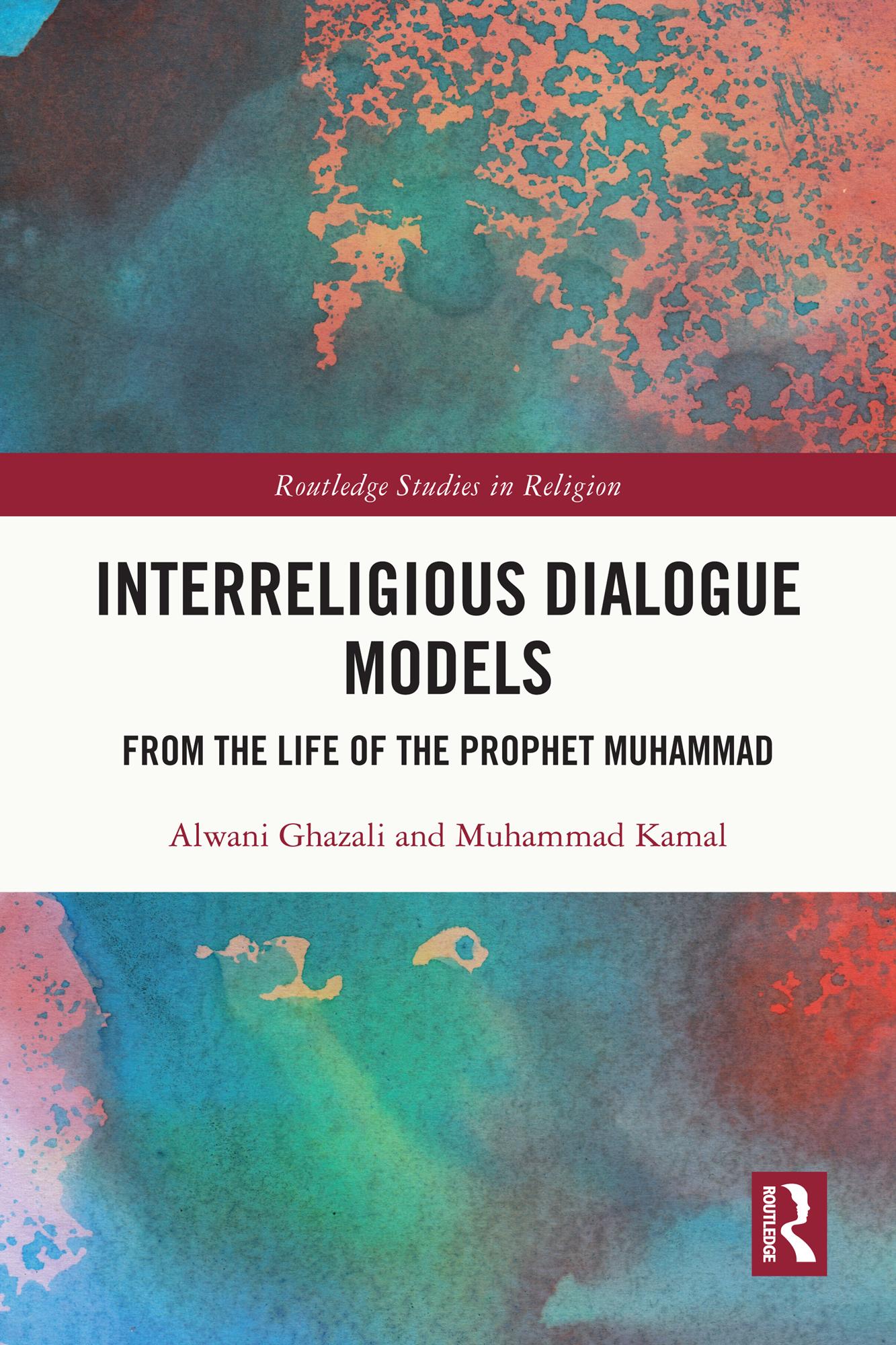
How did the Prophet Muhammad (pbuh) converse and engage with other religious believers? Did he start off with prejudice and mistrust? Or was he convivial and open-minded? This book analyses six models of the dealings in the lifetime of the Prophet Muhammad (pbuh), specifically, but not restricted, to the siblings of Abrahamic religious believers.
The six models of dialogue analysed in the book are dialogue with Ashamah, Najashi of Abyssinia, delegation of Najran Christians, different Jews of Yathrib, and emperors of Byzantine and Sassanid. The analysis applies Ibn Khaldun’s (d. 1406) historical approach which the author termed as Khaldunian Hermeneutics due to the similarity between his ideas to that of Johann Gustav Droysen (d. 1884), a German philosopher, in historical hermeneutics. As such, the analysis goes beyond the dialogue content, taking into consideration the immediate and larger contextual settings, and changes of the contexts due to the passage of time. It critically considers the suitability of each model due to the difference in times and contexts.
The book serves as a reference for Muslim dialogue advocates and practitioners, to provide substantial evidence of the dialogue application by the role model of Muslims – the Prophet Muhammad (pbuh) whom they hold very dear to their hearts.
Paga fácilmente con tarjeta, Klarna, Apple Pay o Google Pay. ¿No estás contento? Siempre tienes 14 días de garantía de devolución. Lee más en nuestros términos. Si tienes preguntas, escríbenos a hello@memmo.org.
Memmo hace que estudiar sea más fácil, estés donde estés. Aquí tienes tus libros de texto y herramientas de estudio inteligentes en un solo lugar: resúmenes, quizzes, podcasts y flashcards. Y también a Ted, tu compañero de estudio que responde a todo lo que te preguntes. Más de 50 000 estudiantes ya estudian aquí. Está hecho para que aprendas más rápido y te estreses menos.