
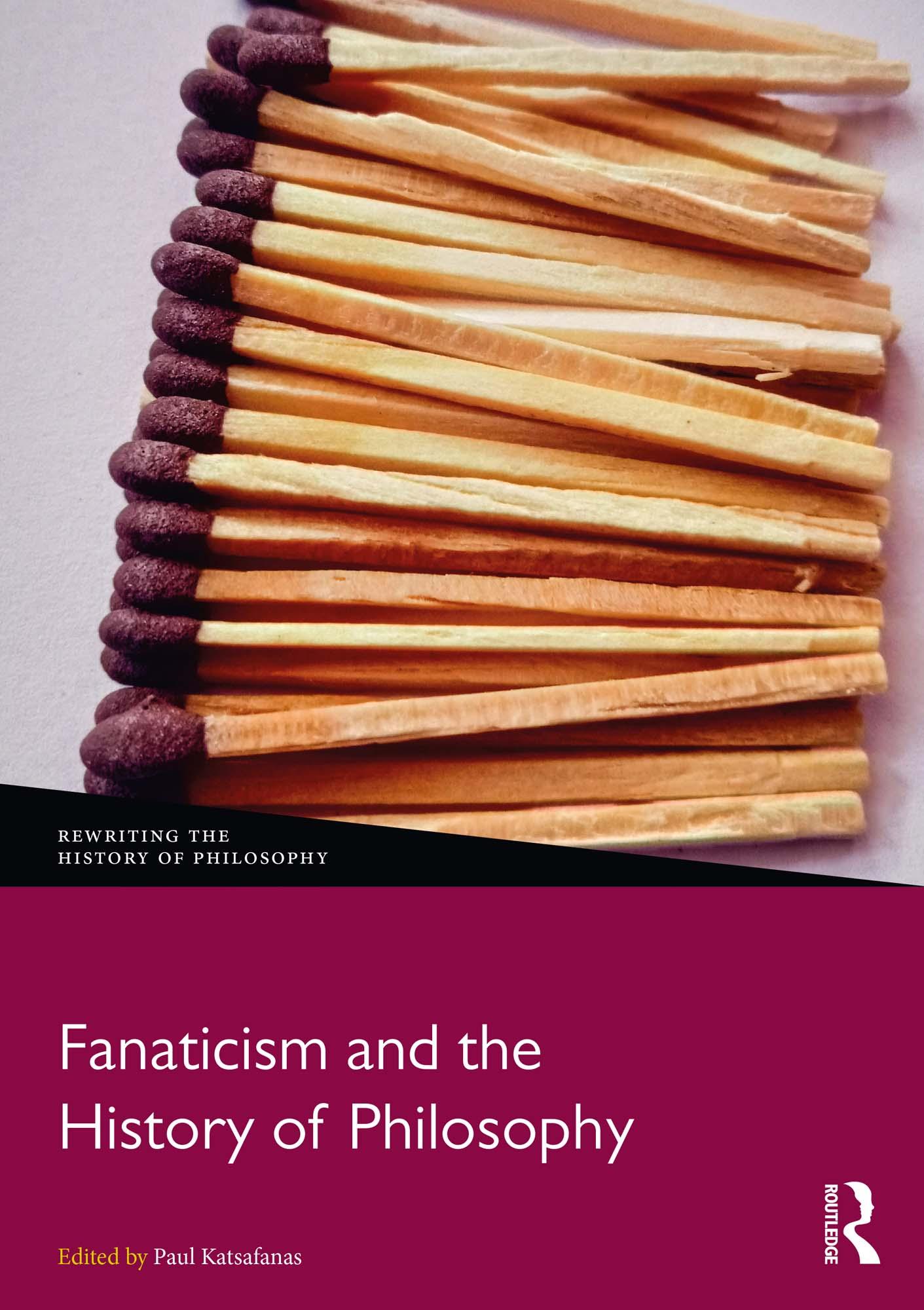
Voltaire called fanaticism the "monster that pretends to be the child of religion". Philosophers, politicians, and cultural critics have decried fanaticism and attempted to define the distinctive qualities of the fanatic, whom Winston Churchill described as "someone who can’t change his mind and won’t change the subject". Yet despite fanaticism’s role in the long history of social discord, human conflict, and political violence, it remains a relatively neglected topic in the history of philosophy.
In this outstanding inquiry into the philosophical history of fanaticism, a team of international contributors examine the topic from antiquity to the present day. Organized into four sections, topics covered include:
- Fanaticism in ancient Greek, Indian, and Chinese philosophy;
- Fanaticism and superstition from Hobbes to Hume, including chapters on Locke and Montesquieu, Shaftesbury, and Hutcheson;
- Kant, Germaine de Stael, Hegel, Nietzsche, William James, and Jorge Portilla on fanaticism;
- Fanaticism and terrorism; and extremism and gender, including the philosophy and morality of the "manosphere";
- Closed-mindedness and political and epistemological fanaticism.
Spanning themes from superstition, enthusiasm, and misanthropy to the emotions, purity, and the need for certainty, Fanaticism and the History of Philosophy is a landmark volume for anyone researching and teaching the history of philosophy, particularly ethics and moral philosophy. It is also a valuable resource for those studying fanaticism in related fields such as religion, the history of political thought, sociology, and the history of ideas.
Paga fácilmente con tarjeta, Klarna, Apple Pay o Google Pay. ¿No estás contento? Siempre tienes 14 días de garantía de devolución. Lee más en nuestros términos. Si tienes preguntas, escríbenos a hello@memmo.org.
Memmo hace que estudiar sea más fácil, estés donde estés. Aquí tienes tus libros de texto y herramientas de estudio inteligentes en un solo lugar: resúmenes, quizzes, podcasts y flashcards. Y también a Ted, tu compañero de estudio que responde a todo lo que te preguntes. Más de 50 000 estudiantes ya estudian aquí. Está hecho para que aprendas más rápido y te estreses menos.