
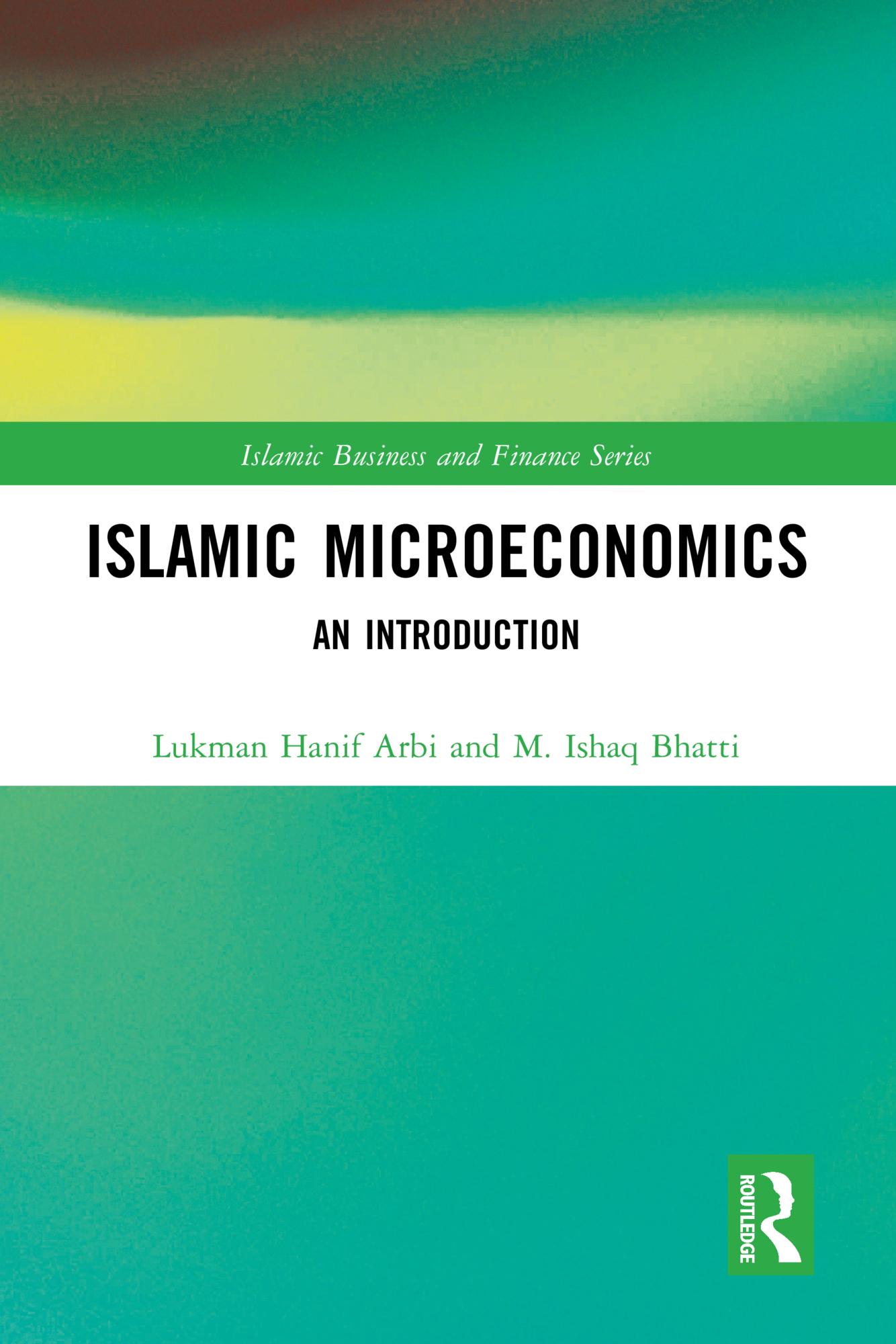
This book bridges the gap between Islamic and conventional (micro)economics by demonstrating how modern tools and theories of microeconomics can be applied to Islamic assumptions regarding economics and finance. In contrast to the tendency for Islamic economics and finance proponents to use qualitative and normative approaches based on idealistic assumptions, this book demonstrates how one can instead construct analytical models of Islamic economics and finance and simply compare the implications with those predominant in today’s world. This book also offers extensive literature reviews demonstrating that for a long time, the gap between Islamic and conventional economics and finance is not as wide as previously thought, allowing those with an interest in both fields to participate more effectively and meaningfully in the ongoing discourse between the two fields.
The authors conceptualize a general approach and apply it to basic consumer theory. More advanced microeconomic ideas are then discussed, culminating in demonstrations of how contract theory can facilitate a deeper analysis and appreciation of Islamic financial securities. A wide spectrum of academic literature on both Islamic and conventional economics and finance is drawn upon to facilitate a better appreciation for both fields and to inspire future works comparing the two in a more objective manner.
Paga fácilmente con tarjeta, Klarna, Apple Pay o Google Pay. ¿No estás contento? Siempre tienes 14 días de garantía de devolución. Lee más en nuestros términos. Si tienes preguntas, escríbenos a hello@memmo.org.
Memmo hace que estudiar sea más fácil, estés donde estés. Aquí tienes tus libros de texto y herramientas de estudio inteligentes en un solo lugar: resúmenes, quizzes, podcasts y flashcards. Y también a Ted, tu compañero de estudio que responde a todo lo que te preguntes. Más de 50 000 estudiantes ya estudian aquí. Está hecho para que aprendas más rápido y te estreses menos.