
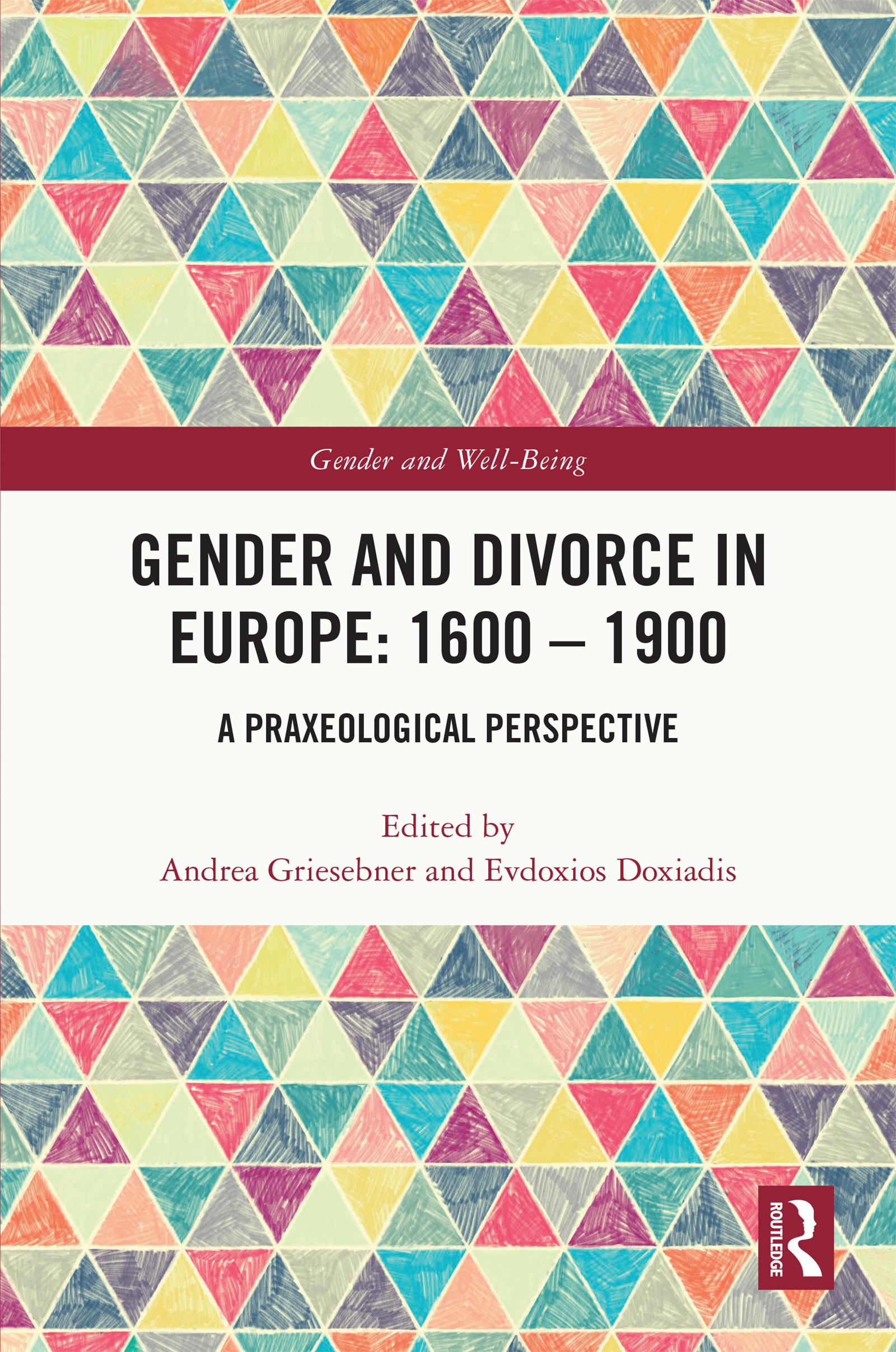
Getting divorced and remarried are now common practices in European societies, even if the rules differ from one country to the next. Civil marriage law still echoes religious marriage law, which for centuries determined which persons could enter into marriage with each other and how validly contracted marriages could be ended.
Religions and denominations also had different regulations regarding whether a divorce only ended marital obligations or also permitted remarriage during the lifetime of the divorced spouse. This book deals with predominantly handwritten documents of divorce proceedings from the British Isles to Western, Central, and Southeastern Europe, and from 1600 to the 1930s. The praxeological analysis reveals the arguments and strategies put forward to obtain or prevent divorce, as well as the social and, above all, economic conditions and arrangements connected with divorce. The contributions break new ground by combining previously often separate fields of research and regions of investigation. It makes clear that the gender order doesn’t always run along religious lines, as was too often assumed.
This book will be of interest to all scholars and students of economic, social, religious, cultural, legal, and gender history as well as gender and well-being in a broader sense.
Paga fácilmente con tarjeta, Klarna, Apple Pay o Google Pay. ¿No estás contento? Siempre tienes 14 días de garantía de devolución. Lee más en nuestros términos. Si tienes preguntas, escríbenos a hello@memmo.org.
Memmo hace que estudiar sea más fácil, estés donde estés. Aquí tienes tus libros de texto y herramientas de estudio inteligentes en un solo lugar: resúmenes, quizzes, podcasts y flashcards. Y también a Ted, tu compañero de estudio que responde a todo lo que te preguntes. Más de 50 000 estudiantes ya estudian aquí. Está hecho para que aprendas más rápido y te estreses menos.