
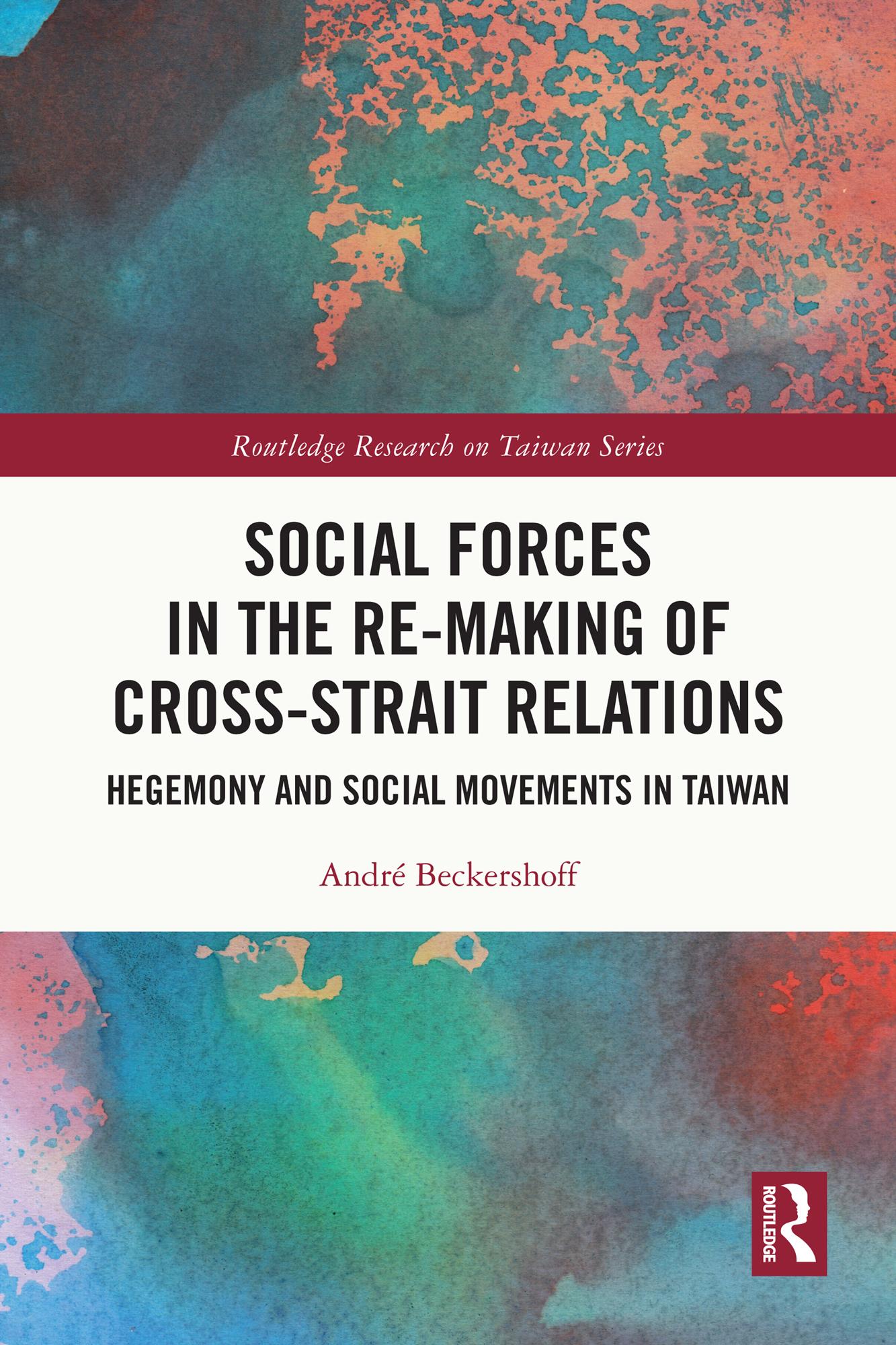
Adopting a critical political economy perspective this book sheds new light on the social and political struggles that shaped the political dynamics of Taiwan-China relations and cross-Strait rapprochement between 2008 and 2014.
Presenting a careful analysis of primary sources and interviews, the book reconstructs the historical, political and socio-economic factors that shaped Taiwan’s path to the Sunflower Movement of 2014, reinterpreting this process as a struggle over Taiwan’s role in the global economy. It challenges received wisdoms regarding the rise and fall of the rapprochement: First, the study argues that the rapprochement was not primarily driven by political elites but by capitalist conglomerates within Taiwan, which sought a normalisation of economic relations across the Taiwan Strait. Second, it finds that Taiwan’s social movements during that period were not homogeneous but rather struggled to find a common vision that could unite the critics of the rapprochement.
The insights provided not only offer a deeper understanding of Taiwan’s protest cycle between 2008 and 2014, but also serve to recontextualise the political dynamics in post-Sunflower Taiwan. As such it will appeal to students and scholars of Taiwan Studies, East Asian Politics and Social Movement Studies.
Paga fácilmente con tarjeta, Klarna, Apple Pay o Google Pay. ¿No estás contento? Siempre tienes 14 días de garantía de devolución. Lee más en nuestros términos. Si tienes preguntas, escríbenos a hello@memmo.org.
Memmo hace que estudiar sea más fácil, estés donde estés. Aquí tienes tus libros de texto y herramientas de estudio inteligentes en un solo lugar: resúmenes, quizzes, podcasts y flashcards. Y también a Ted, tu compañero de estudio que responde a todo lo que te preguntes. Más de 50 000 estudiantes ya estudian aquí. Está hecho para que aprendas más rápido y te estreses menos.