
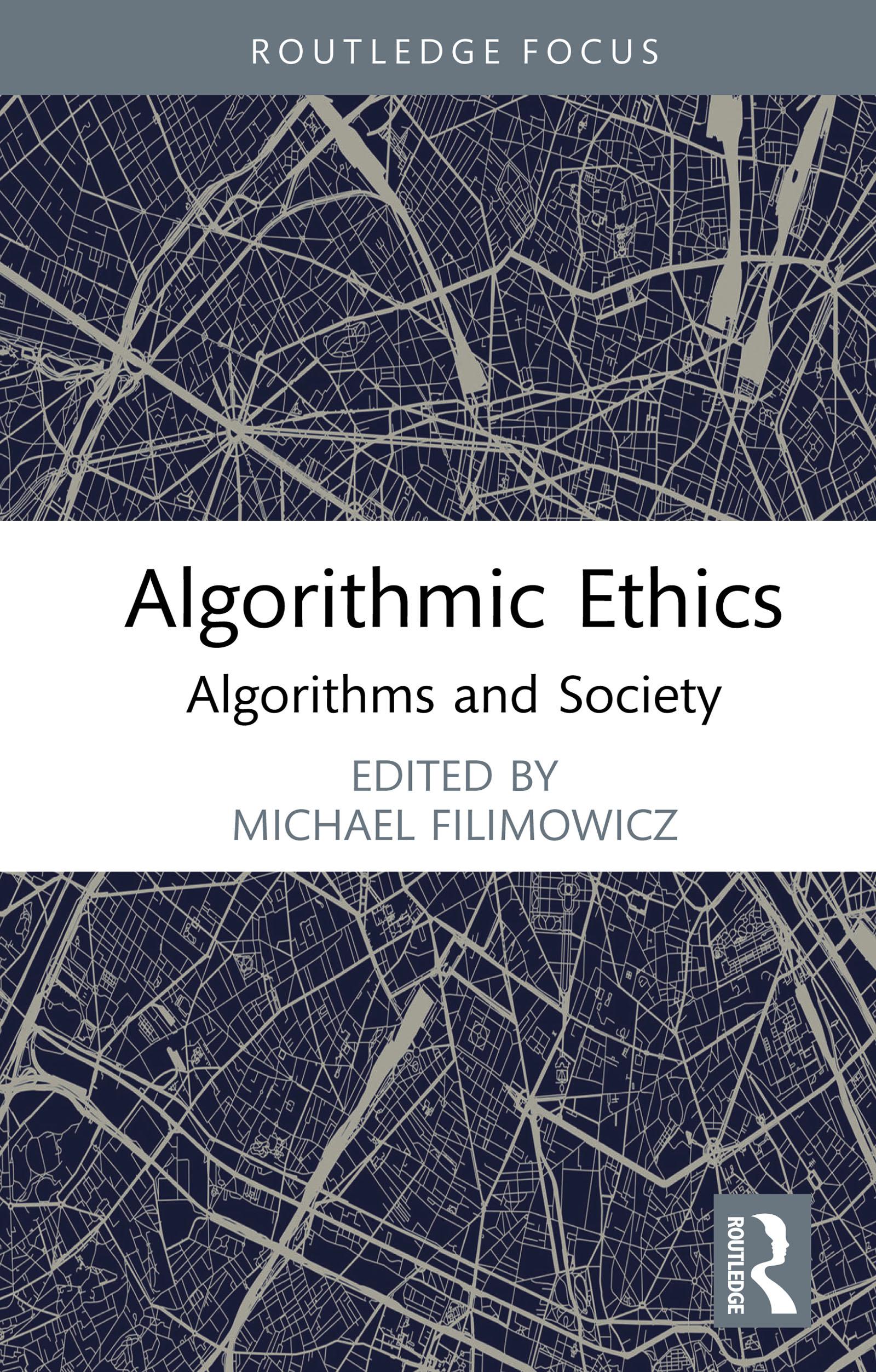
This book focuses on how new technologies are raising and reshaping ethical questions and practices that aim to automate ethics into program outputs.
With new powerful technologies come enhanced capacities to act, which in turn require new ethical concepts for guiding just and fair actions in the use of these new capabilities. The new algorithmic regimes, for their ethical articulation, build on prior ethics discourses in computer and information ethics, as well as the philosophical traditions of ethics generally. Especially as our technologies become more autonomous, operating alongside us in the home, workplace or on the roads, ethics has the potential to limit negative effects and shape the new technical terrains in a more humanly recognizable way. The volume covers a critique of human-centered AI, the effects of AI and the Internet of Things in the domain of human resource management, how decentralized finance applications on the blockchain encode ethical norms into “smart contracts,” and the personal surveillance risks of audio beacon technology operating invisibly in our cellphones.
Scholars and students from many backgrounds, as well as policy makers, journalists and the general reading public will find a multidisciplinary approach to questions posed by research in algorithmic ethics from the fields of management, sociology, social policy, public service, religion and interactive media.
Paga fácilmente con tarjeta, Klarna, Apple Pay o Google Pay. ¿No estás contento? Siempre tienes 14 días de garantía de devolución. Lee más en nuestros términos. Si tienes preguntas, escríbenos a hello@memmo.org.
Memmo hace que estudiar sea más fácil, estés donde estés. Aquí tienes tus libros de texto y herramientas de estudio inteligentes en un solo lugar: resúmenes, quizzes, podcasts y flashcards. Y también a Ted, tu compañero de estudio que responde a todo lo que te preguntes. Más de 50 000 estudiantes ya estudian aquí. Está hecho para que aprendas más rápido y te estreses menos.