
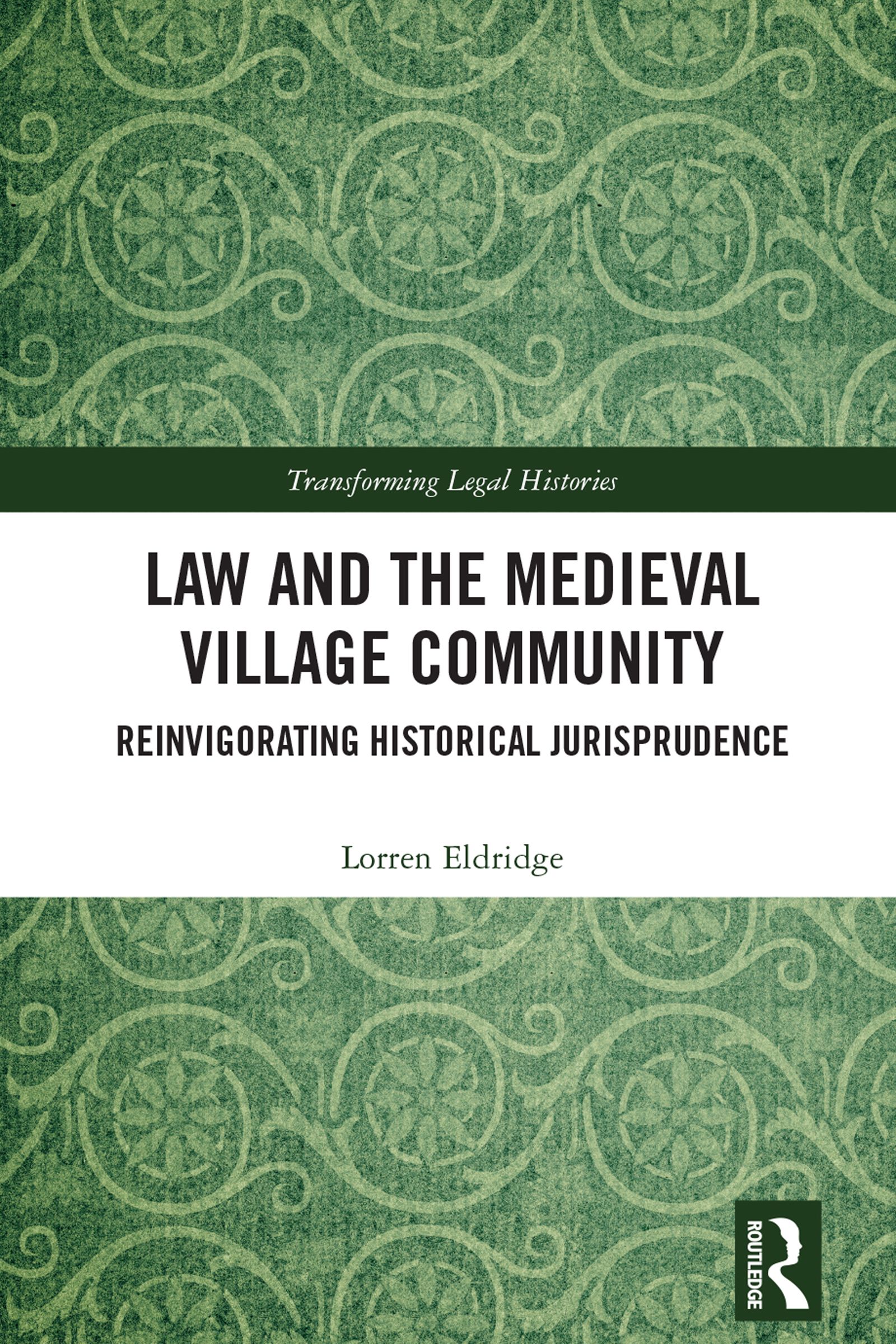
This book expands on established doctrine in legal history and sets out a challenge for legal philosophers. The English medieval village community offers a historical and philosophical lens on the concept of custom which challenges accepted notions of what law is. The book traces the study of the medieval village community from early historical works in the nineteenth century through to current research. It demonstrates that some law-making can and has been ‘bottom-up’ in English law, with community-led decisionmaking having a particularly important role in the early common law. The detailed consideration of law in the English village community reveals alternative ways of making and conceiving of law which are not dependent on state authority, particularly in relation to customary and communal property rights. Acknowledging this poses challenges for legal theory: the legal positivism that dominates Western legal philosophy tends to reject custom as a source of law. However, this book argues that medieval customary law ought to be considered ‘law’ if we are ever going to fully understand law – both then and now. The book will be a valuable resource for researchers and academics working in the areas of Legal History, Legal Theory, and Jurisprudence.
Paga fácilmente con tarjeta, Klarna, Apple Pay o Google Pay. ¿No estás contento? Siempre tienes 14 días de garantía de devolución. Lee más en nuestros términos. Si tienes preguntas, escríbenos a hello@memmo.org.
Memmo hace que estudiar sea más fácil, estés donde estés. Aquí tienes tus libros de texto y herramientas de estudio inteligentes en un solo lugar: resúmenes, quizzes, podcasts y flashcards. Y también a Ted, tu compañero de estudio que responde a todo lo que te preguntes. Más de 50 000 estudiantes ya estudian aquí. Está hecho para que aprendas más rápido y te estreses menos.