
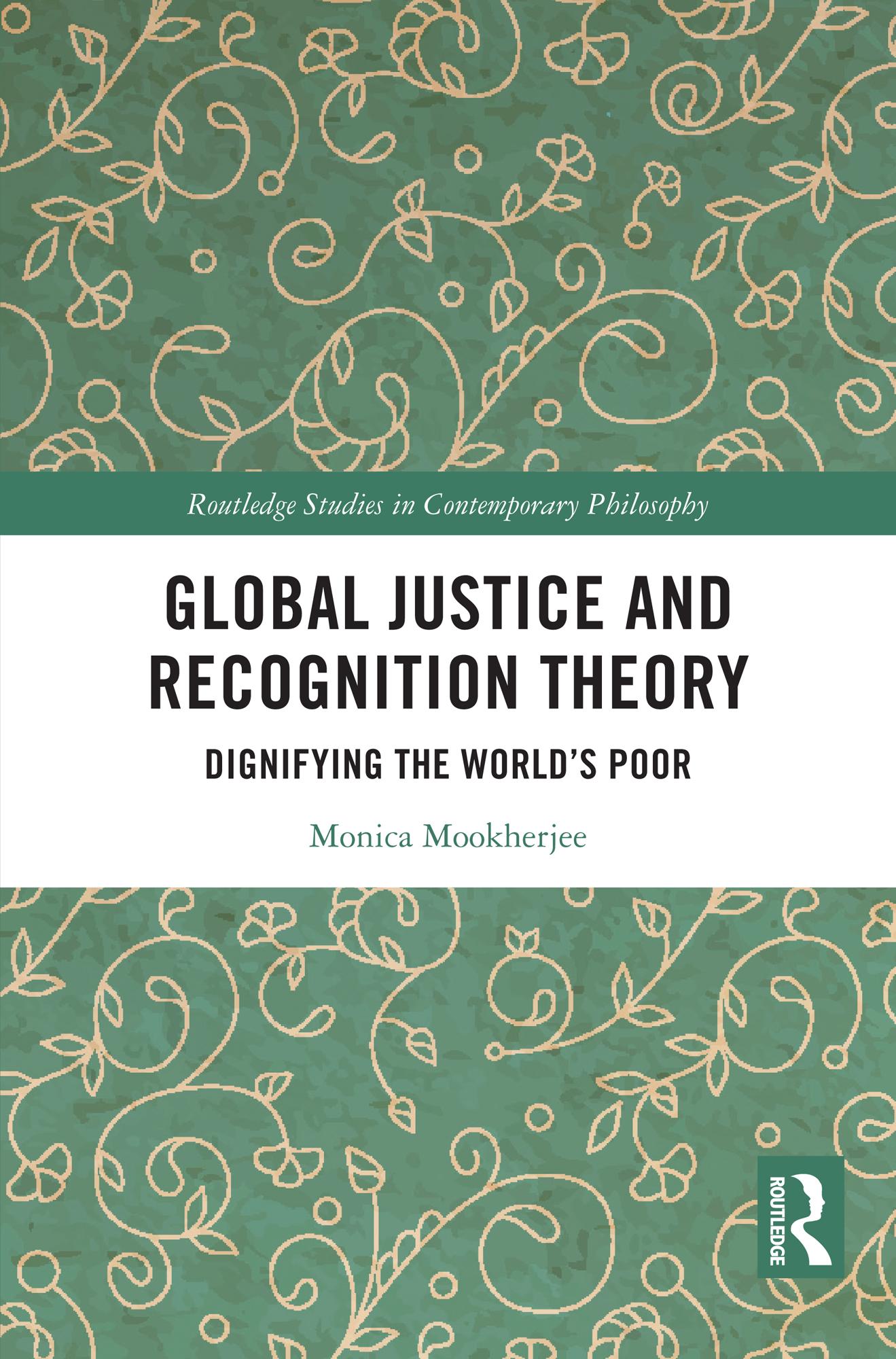
In the light of intense international focus on ongoing forms of world poverty, this book examines the potential of the concept of recognition in contemporary political philosophy to respond morally to this dire condition.
This book uses recognition theories to develop a two-tiered response to the problem of global poverty. First, it highlights non-degradation, non-humiliation and the avoidance of social suffering as essential components to the agency of the very poor. This runs counter to liberal arguments that focus only on the deficit of basic material interests. Second, even if universal conditions of agency are met, many of the world’s extreme poor may still suffer domination. The book argues that empowering the world’s poor to resist domination is an essential response to global poverty. By conceiving poverty in terms of agency and empowerment, this book highlights the transnational relevance of recognition theory to one of the most crucial problems affecting a rapidly globalising world.
Global Justice and Recognition Theory will be of interest to scholars and advanced students working in social and political philosophy, political theory, and global justice.
Paga fácilmente con tarjeta, Klarna, Apple Pay o Google Pay. ¿No estás contento? Siempre tienes 14 días de garantía de devolución. Lee más en nuestros términos. Si tienes preguntas, escríbenos a hello@memmo.org.
Memmo hace que estudiar sea más fácil, estés donde estés. Aquí tienes tus libros de texto y herramientas de estudio inteligentes en un solo lugar: resúmenes, quizzes, podcasts y flashcards. Y también a Ted, tu compañero de estudio que responde a todo lo que te preguntes. Más de 50 000 estudiantes ya estudian aquí. Está hecho para que aprendas más rápido y te estreses menos.