
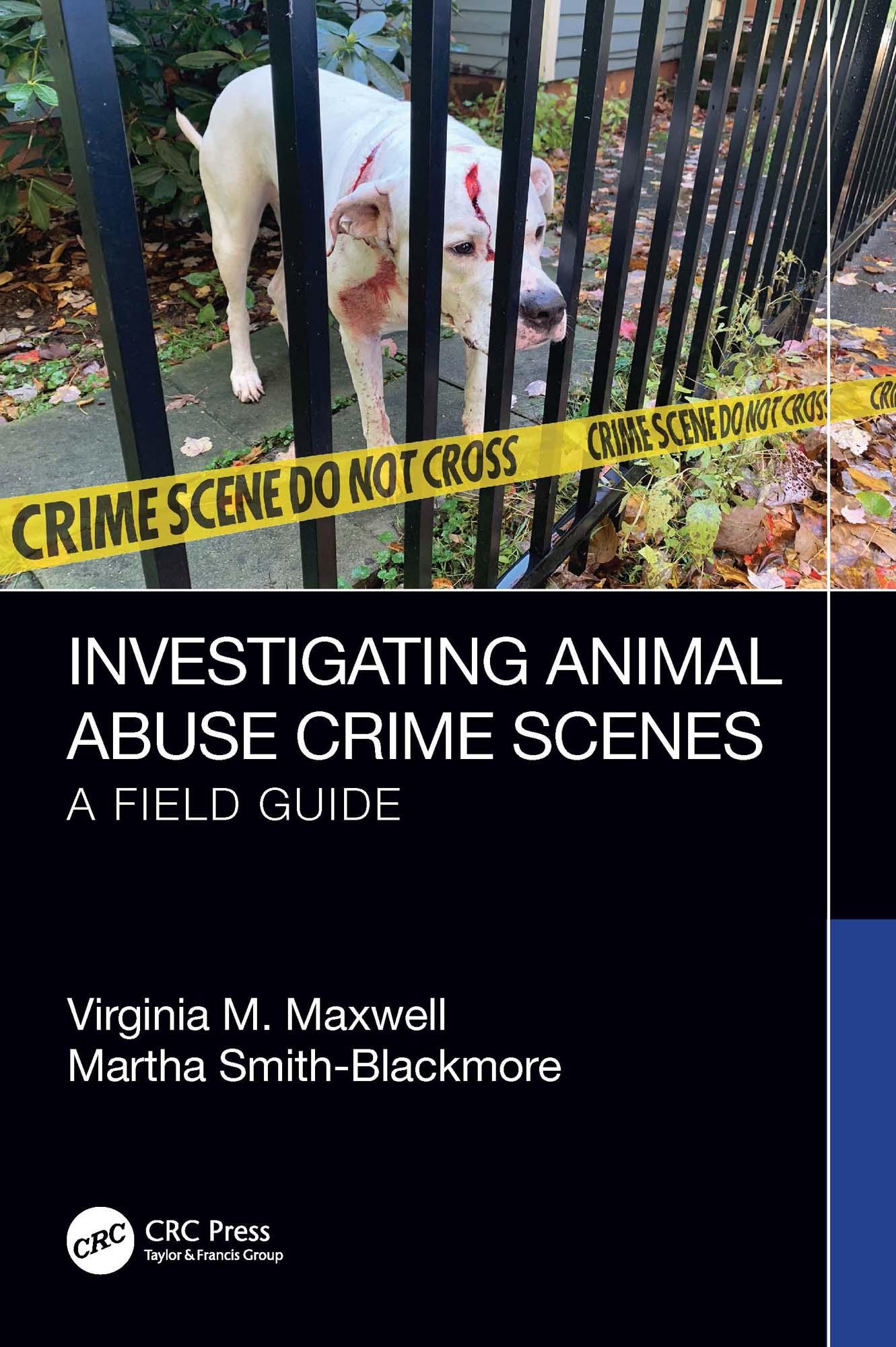
Animal abuse is well established as a gateway crime linked to other forms of antisocial behaviors and broader criminal violence. Increased awareness of the link between animal abuse and criminal behavior has led many states to mandate cross-reporting between agencies overseeing the welfare of families and of animals.
Investigating Animal Abuse Crime Scenes: A Field Guide is designed for first responders—such as animal control officers and police officers—as well as forensic scientists and other criminal justice professionals who are tasked with processing and analyzing animal crime scenes and evidence. The book serves equally as a useful resource for those in the field and laboratory, in addition to those professionals who are further along in the investigative and judicial process.
The book addresses the key areas that must be considered in a thorough investigation of an animal abuse crime. This starts with general crime scene procedures that include securing and releasing the scene, search and seizure issues, chain of custody, documentation, searching for evidence and the use of enhancement technologies. While many readers may already be familiar with such concepts, they are addressed in the context of unique factors relating to animals and animal abuse cases. The book then addresses the recognition, collection and preservation of different types of evidence that may be located at animal abuse scenes, with examples of the most important evidence for specific case types.
The critical role of the veterinarian, and the key aspects of veterinary forensic medicine, receives in-depth consideration. This includes issues such as examining animal victims of crime; determining cause of injury or death through the forensic clinical exam or necropsy; and techniques for evidence documentation, collection, and preservation. The physical and emotional abuse of animals is outlined throughout a series of chapters focused on specific types of animal abuse. Finally, report writing and testimony, from the perspectives of both the crime scene investigator and forensic veterinarian, are addressed. Further, three appendices provide useful checklists and templates for all animal abuse crime scene responders and veterinarians.
Investigating Animal Abuse Crime Scenes fills the growing need for a handy, comprehensive field reference that specifically focuses on the crime scene processing, investigation, analysis of evidence, and the subsequent adjudication of animal abuse cases within the court system.
Paga fácilmente con tarjeta, Klarna, Apple Pay o Google Pay. ¿No estás contento? Siempre tienes 14 días de garantía de devolución. Lee más en nuestros términos. Si tienes preguntas, escríbenos a hello@memmo.org.
Memmo hace que estudiar sea más fácil, estés donde estés. Aquí tienes tus libros de texto y herramientas de estudio inteligentes en un solo lugar: resúmenes, quizzes, podcasts y flashcards. Y también a Ted, tu compañero de estudio que responde a todo lo que te preguntes. Más de 50 000 estudiantes ya estudian aquí. Está hecho para que aprendas más rápido y te estreses menos.