
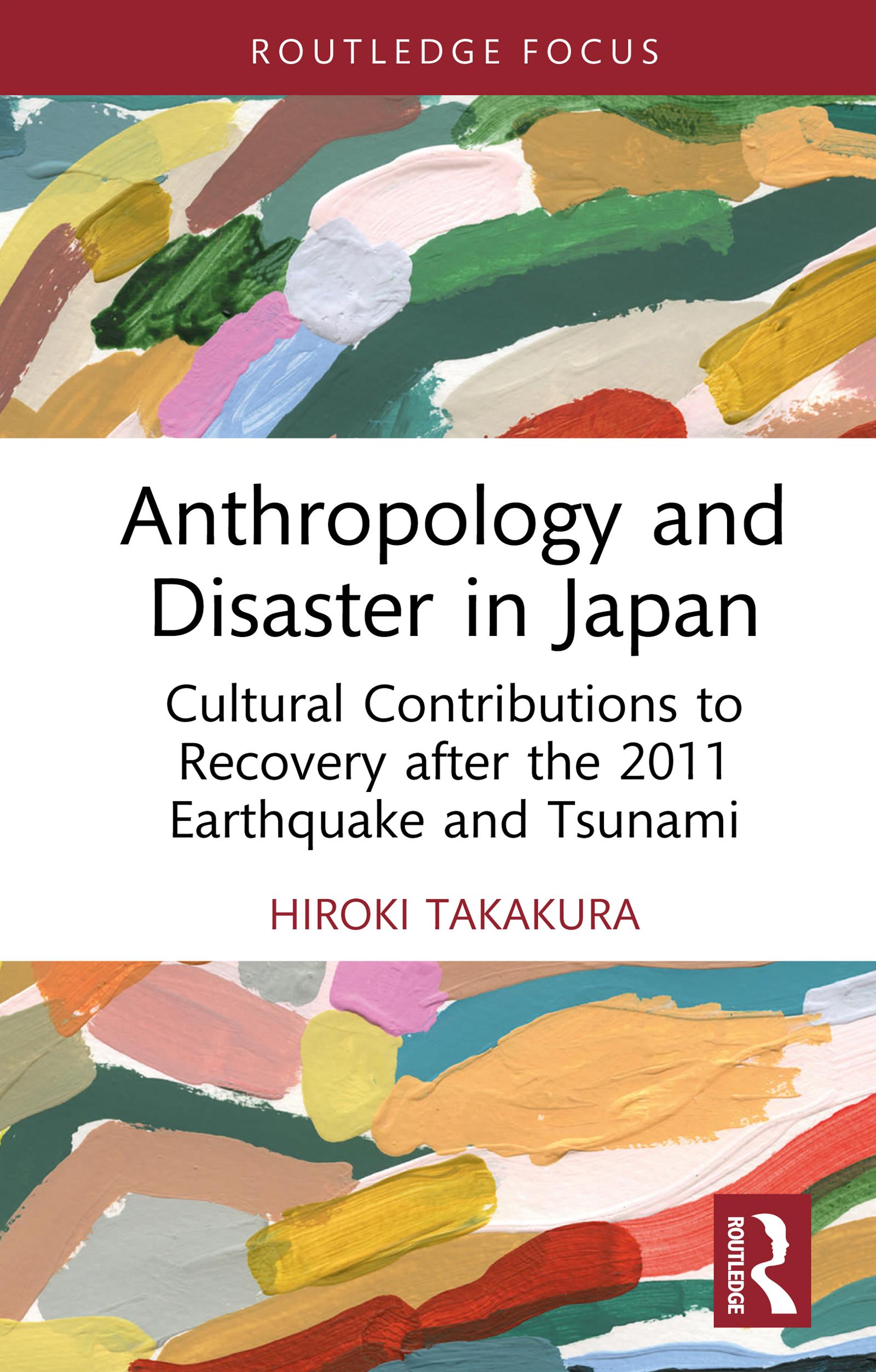
This book focuses on the 3.11 disaster in Japan, involving a powerful earthquake and tsunami, from an anthropological perspective. It critically reflects on the challenges of conducting anthropological research when encountering disaster at home and the position of social scientist as sufferer. Emphasizing the role of culture in disaster mitigation, the book offers theoretical consideration of the role of cultural heritage in risk management, in line with recent trends in international policy on disaster risk reduction. Taking an approach “with the people in,” the author explores how culture features in disaster recovery at community level and considers implications for policy. The chapters explore the response and adaptation by local cultural practitioners and performing arts groups as well as farmers and fishers. Japanese farming and fishing are presented as an innovative and dynamic part of the recovery process. The book will be of interest to scholars and policymakers working in disaster studies, Japan studies, and fields including anthropology, geography, sociology, and heritage management.
Paga fácilmente con tarjeta, Klarna, Apple Pay o Google Pay. ¿No estás contento? Siempre tienes 14 días de garantía de devolución. Lee más en nuestros términos. Si tienes preguntas, escríbenos a hello@memmo.org.
Memmo hace que estudiar sea más fácil, estés donde estés. Aquí tienes tus libros de texto y herramientas de estudio inteligentes en un solo lugar: resúmenes, quizzes, podcasts y flashcards. Y también a Ted, tu compañero de estudio que responde a todo lo que te preguntes. Más de 50 000 estudiantes ya estudian aquí. Está hecho para que aprendas más rápido y te estreses menos.