
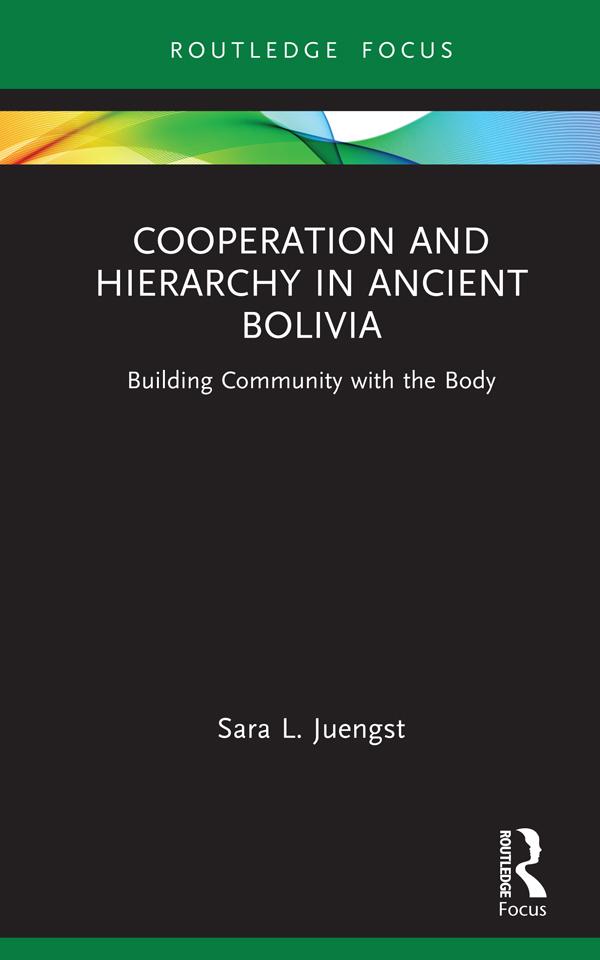
This book explores how past peoples navigated and created power structures and social relationships, using a case study from the Titicaca Basin of Bolivia (800 BC–AD 400). Based on the analysis of human skeletal remains, it combines anthropological social theory, archaeological contexts, and biological indicators of identity, disease, and labor to present a microhistory. The analysis moves in scale from individual experiences of daily life to broad patterns of shared identity and kinship during a time of significant economic and ecological change in the lake basin. The volume is particularly valuable for scholars and students interested in what bioarchaeology can tell us about power and social relationships in the past and how this is relevant to modern constructions of community.
Paga fácilmente con tarjeta, Klarna, Apple Pay o Google Pay. ¿No estás contento? Siempre tienes 14 días de garantía de devolución. Lee más en nuestros términos. Si tienes preguntas, escríbenos a hello@memmo.org.
Memmo hace que estudiar sea más fácil, estés donde estés. Aquí tienes tus libros de texto y herramientas de estudio inteligentes en un solo lugar: resúmenes, quizzes, podcasts y flashcards. Y también a Ted, tu compañero de estudio que responde a todo lo que te preguntes. Más de 50 000 estudiantes ya estudian aquí. Está hecho para que aprendas más rápido y te estreses menos.