
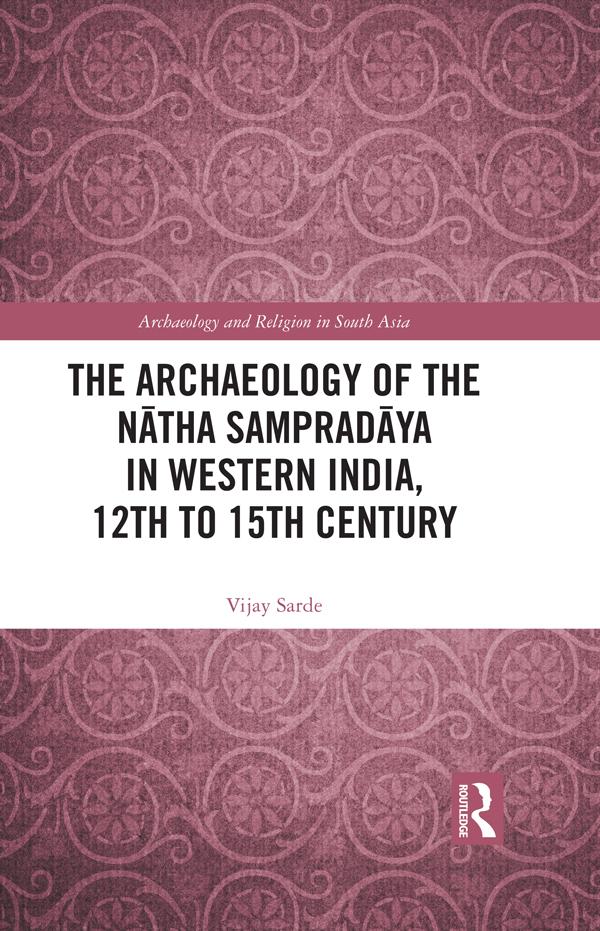
This book studies Nātha sampradāya through archaeological evidence for the first time. Drawing on a pioneering approach to the study of ascetic traditions, it investigates not only the nature of the Nātha sampradāya’s religious architecture but also examines the extent to which they shared space with other religious groups such as the devotees of Siva and Sakti, Buddhism, and Islam, especially with the Sufi tradition.
Focusing on western India, the book sifts through a variety of archaeological evidence and documentation of their temples, caves, and maṭhas. It critically analyses iconographic representations of ascetics on temple walls and sculptural representations of yogic postures or āsanas. Further, these representations are discussed within a pan-South Asian framework to highlight both the commonalities of the tradition across the subcontinent and the regional specificities, along with their chronological spread.
Breaking new ground, this volume will be of great interest to scholars and researchers of religion, especially Hinduism, history, archaeology, and South Asian studies.
Paga fácilmente con tarjeta, Klarna, Apple Pay o Google Pay. ¿No estás contento? Siempre tienes 14 días de garantía de devolución. Lee más en nuestros términos. Si tienes preguntas, escríbenos a hello@memmo.org.
Memmo hace que estudiar sea más fácil, estés donde estés. Aquí tienes tus libros de texto y herramientas de estudio inteligentes en un solo lugar: resúmenes, quizzes, podcasts y flashcards. Y también a Ted, tu compañero de estudio que responde a todo lo que te preguntes. Más de 50 000 estudiantes ya estudian aquí. Está hecho para que aprendas más rápido y te estreses menos.