
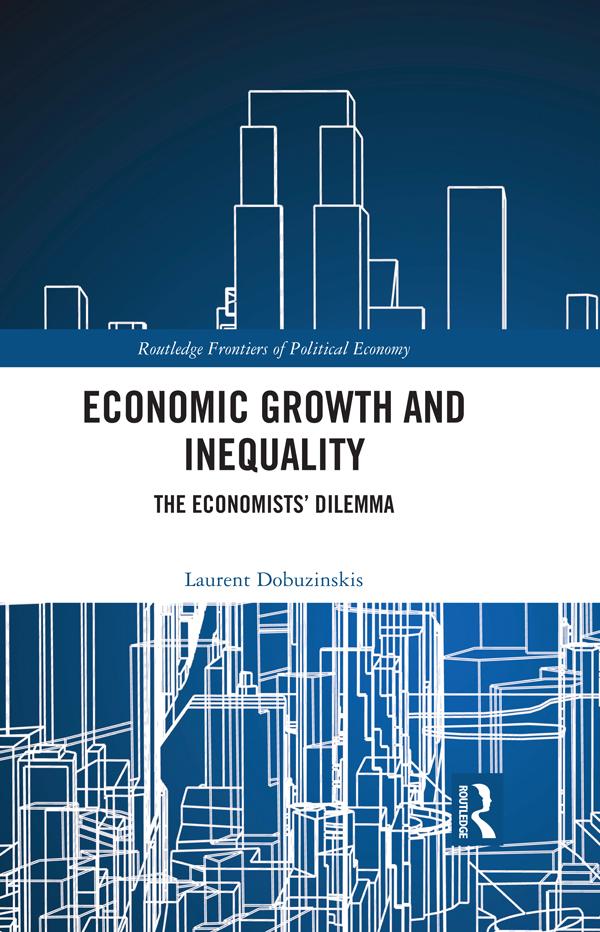
In an era of increasing inequalities, and also of deep anxieties about the consequences of two major economic crises, economists are faced with a major question: can economic growth be achieved without inequalities? Economic Growth and Inequality critically evaluates the economic literature on this question from a pragmatic perspective, seeking to reconcile those who regard economic liberties as a paramount value, and critics who object that prioritizing these liberties leads to inequitable outcomes.
The book presents an overview of the models used by economists to define and measure inequalities and the ongoing dialogues between political philosophers and economists in an effort to find solutions to the problems. It explores Rawlsian justice, Sen’s capability theory, and the theory of rent and compares and contrasts the most often discussed institutions and policies designed for remedying poverty and reducing inequalities.
This book marks a significant contribution to the literature on some of the most pressing problems of our time and will be of great interest to readers of political economy, public policy, moral philosophy, and history of economic and political thought.
Paga fácilmente con tarjeta, Klarna, Apple Pay o Google Pay. ¿No estás contento? Siempre tienes 14 días de garantía de devolución. Lee más en nuestros términos. Si tienes preguntas, escríbenos a hello@memmo.org.
Memmo hace que estudiar sea más fácil, estés donde estés. Aquí tienes tus libros de texto y herramientas de estudio inteligentes en un solo lugar: resúmenes, quizzes, podcasts y flashcards. Y también a Ted, tu compañero de estudio que responde a todo lo que te preguntes. Más de 50 000 estudiantes ya estudian aquí. Está hecho para que aprendas más rápido y te estreses menos.