
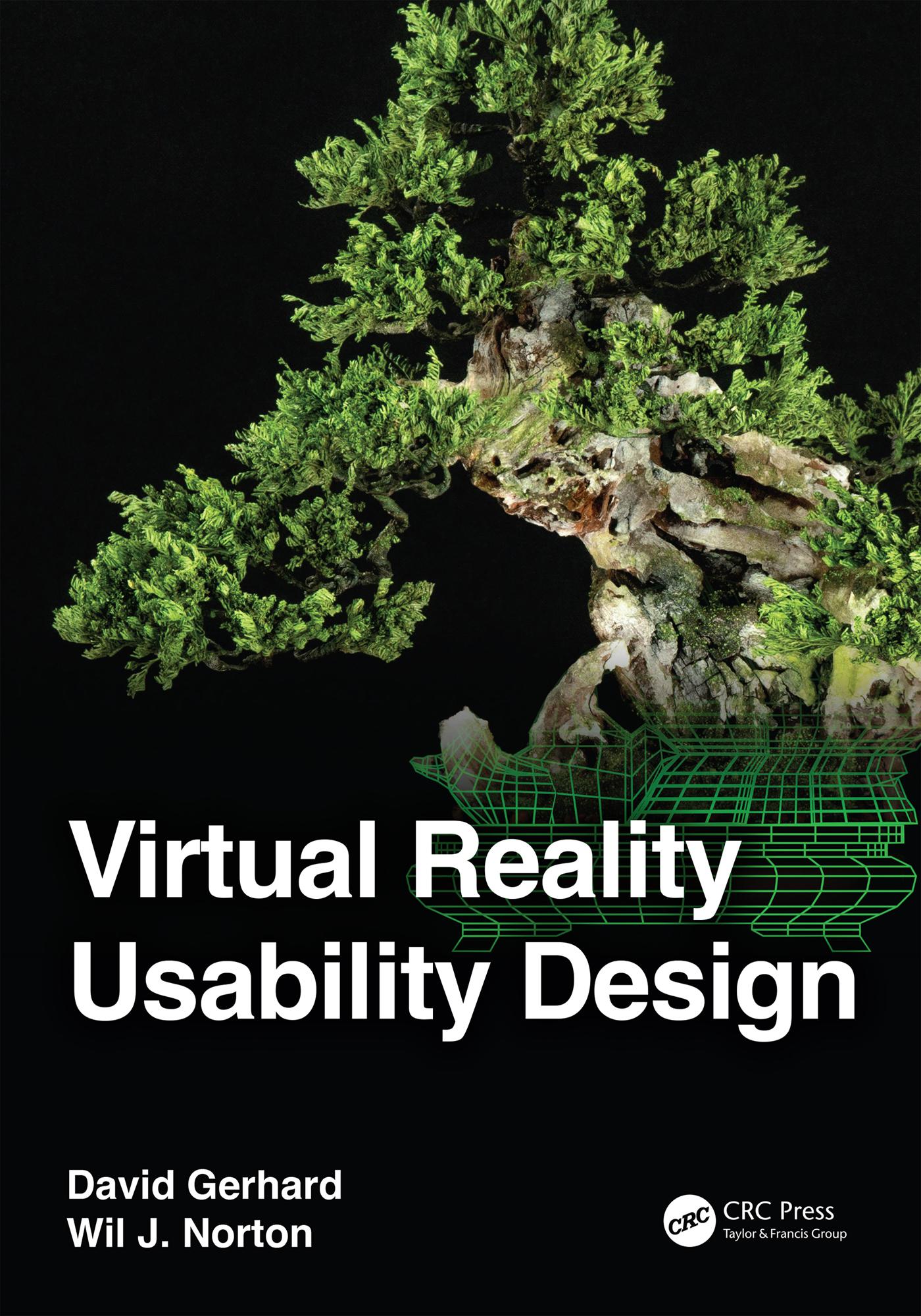
The development of effective and usable software for spatial computing platforms like virtual reality (VR) requires an understanding of how these devices create new possibilities (and new perils) when it comes to interactions between humans and computers. Virtual Reality Usability Design provides readers with an understanding of the techniques and technologies required to design engaging and effective VR applications.
The book covers both the mechanics of how human senses and the mind experience immersive virtual environments, as well as how to leverage these mechanics to create human-focused virtual experiences. Deeply rooted in principles of human perception and computational interaction, the current and future limitations of these replacements are also considered.
Full of real-world examples, this book is an indispensable guide for any practising VR developer interested in making efficient and effective interfaces. Meanwhile, explorations of concrete theory in their practical application will be useful for VR students and researchers alike.
Paga fácilmente con tarjeta, Klarna, Apple Pay o Google Pay. ¿No estás contento? Siempre tienes 14 días de garantía de devolución. Lee más en nuestros términos. Si tienes preguntas, escríbenos a hello@memmo.org.
Memmo hace que estudiar sea más fácil, estés donde estés. Aquí tienes tus libros de texto y herramientas de estudio inteligentes en un solo lugar: resúmenes, quizzes, podcasts y flashcards. Y también a Ted, tu compañero de estudio que responde a todo lo que te preguntes. Más de 50 000 estudiantes ya estudian aquí. Está hecho para que aprendas más rápido y te estreses menos.