
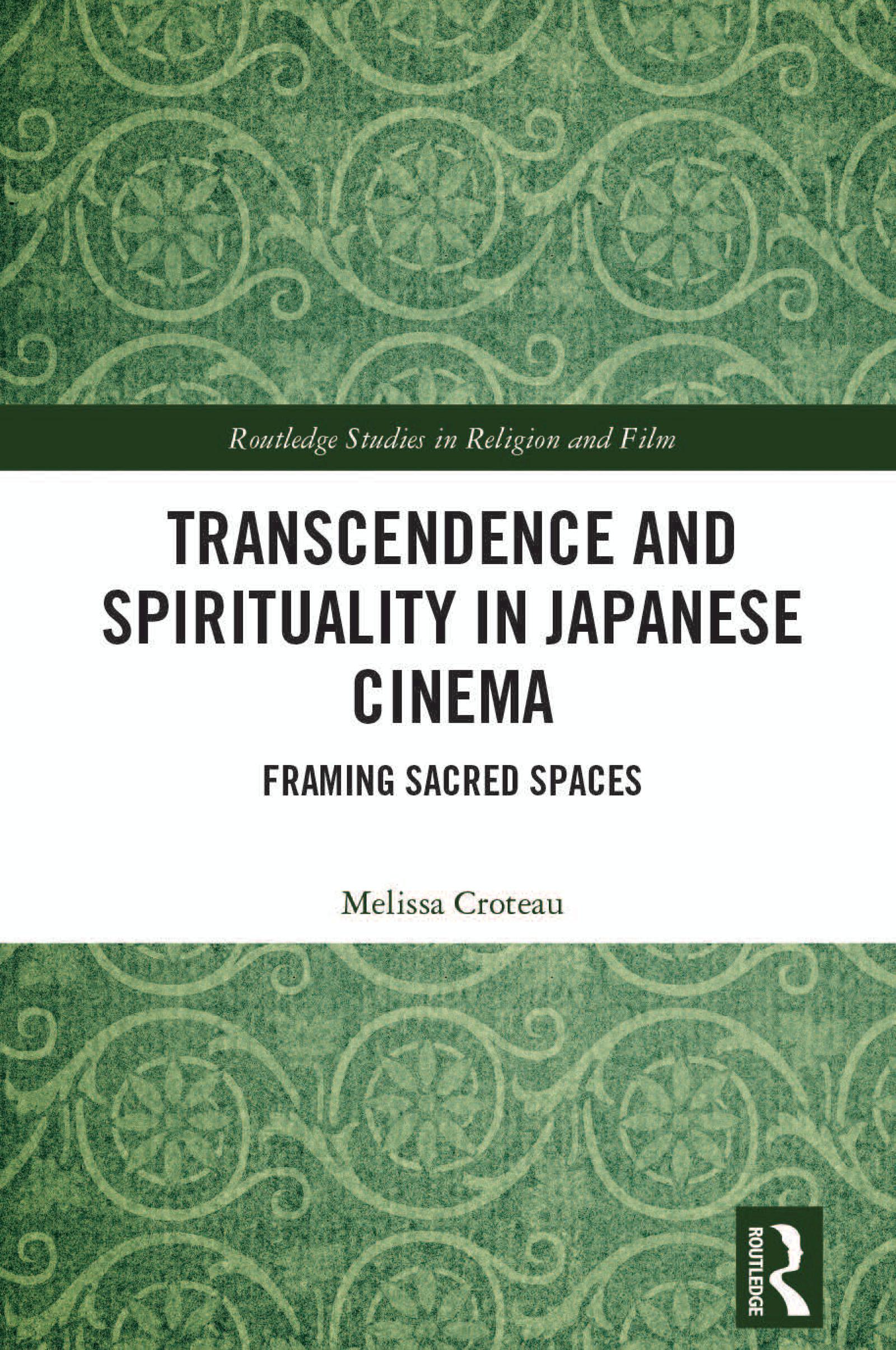
This book explores significant representations of Shinto and Buddhist sacred space, spiritual symbols, and religious concepts that are embedded in the secular framework of Japanese films aimed at general audiences in Japan and globally. These cinematic masterpieces by directors Akira Kurosawa, Hayao Miyazaki, Hirokazu Kore-eda, and Makoto Shinkai operate as expressions of and, potentially, catalysts for transcendence of various kinds, particularly during the Heisei era (1989–2019), when Japan experienced severe economic hardship and devastating natural disasters. The book’s approach to aesthetics and religion employs the multifaceted concepts of ma (structuring intervals, liminal space-time), kū (emptiness, sky), mono no aware (compassionate sensibility, resigned sadness), and musubi (generative interconnection), examining the dynamic, evolving nature of these ancient principles that are at once spiritual, aesthetic, and philosophical. Scholars and enthusiasts of Japanese cinema (live action and anime), religion and film, cinematic aesthetics, and the relationship between East Asian religions and the arts will find fresh perspectives on these in this book, which moves beyond conventional notions of transcendental style and essentialized approaches to the multivalent richness of Japanese aesthetics.
Paga fácilmente con tarjeta, Klarna, Apple Pay o Google Pay. ¿No estás contento? Siempre tienes 14 días de garantía de devolución. Lee más en nuestros términos. Si tienes preguntas, escríbenos a hello@memmo.org.
Memmo hace que estudiar sea más fácil, estés donde estés. Aquí tienes tus libros de texto y herramientas de estudio inteligentes en un solo lugar: resúmenes, quizzes, podcasts y flashcards. Y también a Ted, tu compañero de estudio que responde a todo lo que te preguntes. Más de 50 000 estudiantes ya estudian aquí. Está hecho para que aprendas más rápido y te estreses menos.