
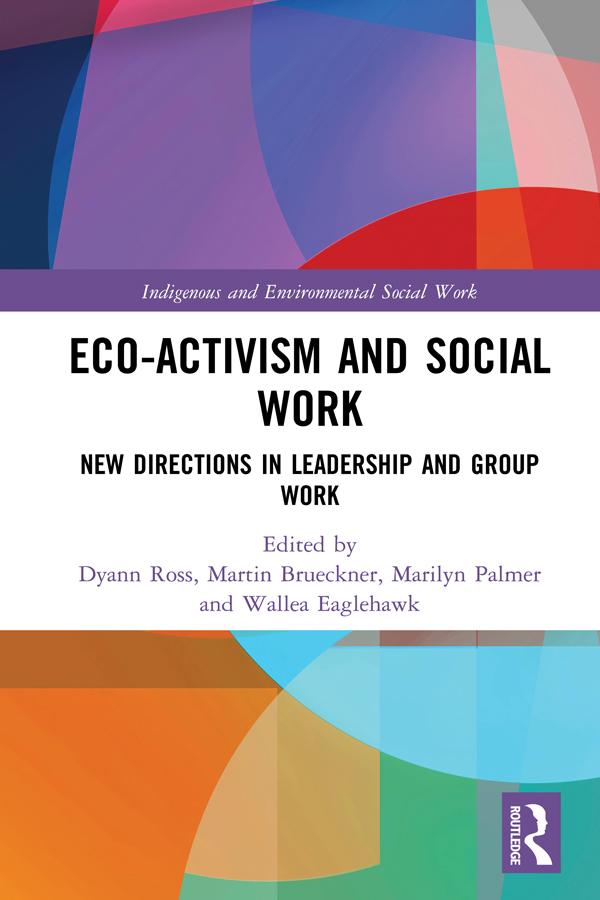
Social workers are called upon to shift from a human-centric bias to an ecological ethical sensibility by embracing love as integral to their justice mission and by extending the idea of social justice to include environmental and species justice. This book presents the love ethic model as a way to do eco-justice work using public campaigns, research, community arts practice and other nonviolent, direct action strategies.
The model is premised on an active and ongoing commitment to the eco-values of love, eco-justice and nonviolence for the purpose of upholding the public interest. The love ethic model is informed by the stories of eco-activists who used nonviolent actions to address ecological issues such as: pollution; degradation of the environment; exploitation of farm animals; mining industry overriding First Nation Peoples’ land rights; and human health and social costs related to the natural resource industries, private land developments and government infrastructure projects.
Informed by practice insights by activists from a range of eco-justice concerns, this innovative book provides new directions in social work and environmental studies involving transformational change leadership and dialogical group work between interest groups. It should be considered essential reading for social work students, researchers and practitioners as well as eco-activists more generally.
Paga fácilmente con tarjeta, Klarna, Apple Pay o Google Pay. ¿No estás contento? Siempre tienes 14 días de garantía de devolución. Lee más en nuestros términos. Si tienes preguntas, escríbenos a hello@memmo.org.
Memmo hace que estudiar sea más fácil, estés donde estés. Aquí tienes tus libros de texto y herramientas de estudio inteligentes en un solo lugar: resúmenes, quizzes, podcasts y flashcards. Y también a Ted, tu compañero de estudio que responde a todo lo que te preguntes. Más de 50 000 estudiantes ya estudian aquí. Está hecho para que aprendas más rápido y te estreses menos.